
About This Book
What if an invisible global market thrived just beneath the surface of the internet, a place where digital anonymity fuels a multi-billion dollar trade in illegal goods and services? The book, Hidden Online Economy, delves into this clandestine realm of the dark web and deep web, revealing the mechanics of its shadow economy, its profound influence on global markets, and the daunting challenges it poses to law enforcement agencies worldwide. This book explores three central themes: the anatomy of the dark web marketplace itself, the economic impact of its illicit activities, and the strategies employed to combat its growth. First, it dissects the technological infrastructure and social ecosystems that enable this hidden market to function, examining anonymizing technologies like Tor, cryptocurrencies such as Bitcoin, and the complex web of trust and reputation systems that govern transactions. Second, it analyzes the economic consequences of this shadow economy, quantifying the financial flows associated with illegal drug sales, stolen data, counterfeit goods, and various other illicit activities, assessing its broader impact on legitimate businesses and national economies. Third, it examines the evolving tactics used by law enforcement agencies and cybersecurity experts to disrupt and dismantle these criminal networks, evaluating the legal and ethical considerations involved in these efforts. Understanding this hidden online economy requires a grasp of foundational concepts in computer science, cryptography, and economics. Basic knowledge about internet architecture, digital currencies, and market dynamics will be helpful for readers, though the book provides clear explanations of these concepts. The central argument of Hidden Online Economy asserts that the dark web is not a fringe phenomenon, but an integral component of the global economy, demanding urgent attention from policymakers, economists, and law enforcement agencies. The book's structure unfolds in four distinct parts. Part I introduces the history and technology underpinning the dark web and the deep web, differentiating them from the surface web and explaining how anonymity is achieved. Part II investigates the diverse range of illicit goods and services traded within this ecosystem, including narcotics, hacking tools, stolen financial data, and counterfeit products, offering detailed case studies of specific marketplaces and criminal networks. Part III analyzes the economic impact of the dark web, quantifying the revenue generated by illicit activities, assessing the associated costs to businesses and governments, and exploring the challenges of regulating this decentralized environment. Finally, Part IV explores the methods used to combat the dark web's illegal activities, examining law enforcement strategies, technological countermeasures, and international collaborations, and discussing the ethical dilemmas inherent in these efforts. The analysis in Hidden Online Economy is supported by a range of evidence, including academic research, government reports, data from cybersecurity firms, and interviews with law enforcement officials and experts in the field. It also will analyze original data collected from dark web marketplaces, employing innovative techniques to map and quantify the flow of illicit goods and services. This book draws connections between diverse fields, including criminology, economics, computer science, and international relations. The economic analysis sheds light on the incentives driving criminal behavior, while criminological theories provide a framework for understanding the social dynamics of online communities. Computer science insights are crucial for comprehending the technological infrastructure of the dark web, and international relations perspectives help illuminate the global implications of this borderless marketplace. Hidden Online Economy offers a unique perspective by focusing on the economic dimensions of the dark web, going beyond sensationalist accounts of illegal activities to provide a data-driven analysis of its market dynamics and economic consequences. The tone utilizes a fact-based, analytical writing style, presenting complex information in a clear and accessible manner. The target audience includes economists, policymakers, law enforcement professionals, cybersecurity experts, and anyone interested in understanding the hidden forces shaping the global economy. The information can assist those in cybersecurity to be more aware of threats online and will be valuable so they will take action in their job. As a true crime and economics book, it satisfies the readers' desire for in-depth exploration of criminal enterprises and the hidden economic systems that enable them. The scope is limited to the economic aspects of the dark web and deep web, focusing on the market dynamics, financial flows, and regulatory challenges associated with illicit activities. The book does not provide technical instructions for accessing the dark web or engaging in illegal activities. The information can be applied practically by policymakers seeking to regulate the dark web, law enforcement agencies working to combat cybercrime, and businesses trying to protect themselves from online threats. The book will conclude by discussing the ongoing debates surrounding internet freedom, encryption, and the balance between security and privacy in the digital age.
What if an invisible global market thrived just beneath the surface of the internet, a place where digital anonymity fuels a multi-billion dollar trade in illegal goods and services? The book, Hidden Online Economy, delves into this clandestine realm of the dark web and deep web, revealing the mechanics of its shadow economy, its profound influence on global markets, and the daunting challenges it poses to law enforcement agencies worldwide. This book explores three central themes: the anatomy of the dark web marketplace itself, the economic impact of its illicit activities, and the strategies employed to combat its growth. First, it dissects the technological infrastructure and social ecosystems that enable this hidden market to function, examining anonymizing technologies like Tor, cryptocurrencies such as Bitcoin, and the complex web of trust and reputation systems that govern transactions. Second, it analyzes the economic consequences of this shadow economy, quantifying the financial flows associated with illegal drug sales, stolen data, counterfeit goods, and various other illicit activities, assessing its broader impact on legitimate businesses and national economies. Third, it examines the evolving tactics used by law enforcement agencies and cybersecurity experts to disrupt and dismantle these criminal networks, evaluating the legal and ethical considerations involved in these efforts. Understanding this hidden online economy requires a grasp of foundational concepts in computer science, cryptography, and economics. Basic knowledge about internet architecture, digital currencies, and market dynamics will be helpful for readers, though the book provides clear explanations of these concepts. The central argument of Hidden Online Economy asserts that the dark web is not a fringe phenomenon, but an integral component of the global economy, demanding urgent attention from policymakers, economists, and law enforcement agencies. The book's structure unfolds in four distinct parts. Part I introduces the history and technology underpinning the dark web and the deep web, differentiating them from the surface web and explaining how anonymity is achieved. Part II investigates the diverse range of illicit goods and services traded within this ecosystem, including narcotics, hacking tools, stolen financial data, and counterfeit products, offering detailed case studies of specific marketplaces and criminal networks. Part III analyzes the economic impact of the dark web, quantifying the revenue generated by illicit activities, assessing the associated costs to businesses and governments, and exploring the challenges of regulating this decentralized environment. Finally, Part IV explores the methods used to combat the dark web's illegal activities, examining law enforcement strategies, technological countermeasures, and international collaborations, and discussing the ethical dilemmas inherent in these efforts. The analysis in Hidden Online Economy is supported by a range of evidence, including academic research, government reports, data from cybersecurity firms, and interviews with law enforcement officials and experts in the field. It also will analyze original data collected from dark web marketplaces, employing innovative techniques to map and quantify the flow of illicit goods and services. This book draws connections between diverse fields, including criminology, economics, computer science, and international relations. The economic analysis sheds light on the incentives driving criminal behavior, while criminological theories provide a framework for understanding the social dynamics of online communities. Computer science insights are crucial for comprehending the technological infrastructure of the dark web, and international relations perspectives help illuminate the global implications of this borderless marketplace. Hidden Online Economy offers a unique perspective by focusing on the economic dimensions of the dark web, going beyond sensationalist accounts of illegal activities to provide a data-driven analysis of its market dynamics and economic consequences. The tone utilizes a fact-based, analytical writing style, presenting complex information in a clear and accessible manner. The target audience includes economists, policymakers, law enforcement professionals, cybersecurity experts, and anyone interested in understanding the hidden forces shaping the global economy. The information can assist those in cybersecurity to be more aware of threats online and will be valuable so they will take action in their job. As a true crime and economics book, it satisfies the readers' desire for in-depth exploration of criminal enterprises and the hidden economic systems that enable them. The scope is limited to the economic aspects of the dark web and deep web, focusing on the market dynamics, financial flows, and regulatory challenges associated with illicit activities. The book does not provide technical instructions for accessing the dark web or engaging in illegal activities. The information can be applied practically by policymakers seeking to regulate the dark web, law enforcement agencies working to combat cybercrime, and businesses trying to protect themselves from online threats. The book will conclude by discussing the ongoing debates surrounding internet freedom, encryption, and the balance between security and privacy in the digital age.
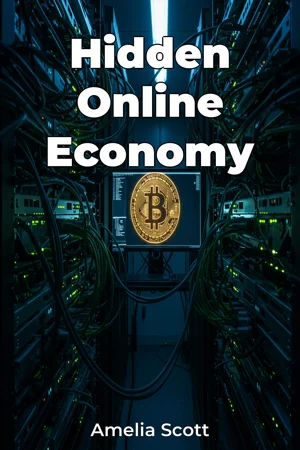
"Hidden Online Economy" explores the hidden world of the dark web and its significant impact on global economics and true crime. It examines how digital anonymity, facilitated by technologies like Tor and cryptocurrencies such as Bitcoin, fuels a shadow economy where illegal goods and illicit activities thrive. The book investigates the economic consequences of this hidden market, quantifying financial flows from illegal drug sales and stolen data, while also highlighting the challenges faced by law enforcement in regulating this decentralized environment. The book uniquely focuses on the economic dimensions of the dark web, providing a data-driven analysis of its market dynamics. It’s structured into four parts, beginning with the history and technology of the deep web, then progressing to the illicit goods traded, the economic effects, and finally, the methods used to combat illegal activities. By drawing connections between criminology, economics, and computer science, the book presents a comprehensive view of this complex ecosystem. It's a valuable resource for anyone seeking a plain-language understanding of one of the most intriguing and dangerous aspects of modern economics and cybercrime.
Book Details
ISBN
9788235203656
Publisher
Publifye AS
Your Licenses
You don't own any licenses for this book
Purchase a license below to unlock this book and download the EPUB.
Purchase License
Select a tier to unlock this book
Need bulk licensing?
Contact us for enterprise agreements.