
About This Book
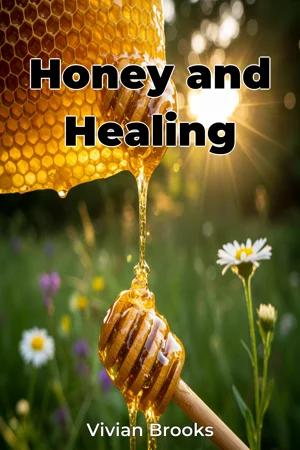
Could the sweet, golden nectar we drizzle on our breakfast also hold the key to healthier, clearer skin? "Honey and Healing" delves into the science-backed antibacterial properties of honey and its expanding role in modern skincare, revealing how this natural substance can offer solutions for various skin conditions and contribute to overall skin health. This book explores the multifaceted benefits of honey, bridging the gap between traditional remedies and contemporary scientific understanding. We begin by establishing a crucial understanding of honey's historical uses as a therapeutic agent, tracing its applications from ancient civilizations to current times. This provides a necessary context for appreciating the scientific validation of these age-old practices. Readers will gain foundational knowledge in basic microbiology, specifically focusing on bacterial skin infections, and the common treatments available. This section ensures that those without a strong science background can follow the subsequent discussions. The book’s central argument is that honey, due to its unique composition and properties, presents a viable and potentially superior alternative or adjunct to conventional antibacterial treatments in skincare. This argument is significant because of growing concerns of antibiotic resistance and the desire for more natural and gentler skincare solutions. "Honey and Healing" is structured to progressively build understanding. Initially, the book details honey's composition, identifying key antibacterial components such as methylglyoxal (MGO), hydrogen peroxide, and bee defensin-1. Subsequent chapters explore the mechanisms by which these components inhibit bacterial growth, disrupt biofilms, and promote wound healing. A significant portion of the book will be dedicated to examining specific types of honey, such as Manuka honey, and comparing their antibacterial potencies based on MGO levels and other factors. The book then transitions to practical applications, discussing how honey can be incorporated into skincare routines and used to manage conditions like acne, eczema, and rosacea. The culmination of the argument is a discussion on the future of honey in dermatology, exploring potential research directions and the development of novel honey-based skincare products. The evidence presented throughout the book consists of peer-reviewed scientific studies, clinical trials, and laboratory experiments. Particular emphasis is placed on studies that compare the effectiveness of honey to conventional antibacterial agents. Unique data sources, such as specialized research on different honey varietals, are also incorporated. "Honey and Healing" connects to several interdisciplinary fields. Firstly, it intersects with microbiology by examining honey's effects on bacterial physiology. Secondly, it relates to dermatology by addressing skin conditions and treatment strategies. Thirdly, it connects to pharmacology by comparing honey's therapeutic mechanisms to those of traditional drugs This book distinguishes itself by providing a comprehensive and evidence-based analysis of honey's antibacterial properties specifically within the context of skincare. It moves beyond anecdotal evidence to rigorously evaluate the scientific basis for honey's therapeutic effects, offering a balanced perspective that acknowledges both its potential benefits and limitations. The writing style is informative and accessible, aiming to convey complex scientific information in a clear and engaging manner. While maintaining scientific rigor, the book avoids excessive jargon to appeal to a broad audience. The target audience includes skincare enthusiasts, healthcare professionals (particularly dermatologists and nurses), and individuals seeking natural alternatives for skin health. This book offers valuable insights for anyone interested in understanding the science behind natural skincare and exploring the therapeutic potential of honey. As a science-based book, "Honey and Healing" adheres to the conventions of presenting objective evidence, citing sources, and acknowledging limitations. The scope of the book is limited to the antibacterial properties of honey in skincare, and does not broadly cover all aspects of honey’s medicinal uses. Readers will discover practical ways to integrate honey into their skincare regimens, learning about appropriate honey types, application methods, and potential contraindications. The book facilitates informed decisions about using honey for various skin concerns. While honey is generally considered safe, its use in skincare is not without debate. "Honey and Healing" addresses potential allergic reactions, the importance of sourcing high-quality honey, and the limitations of honey in treating severe skin infections. The book fosters an informed perspective on these issues.
Could the sweet, golden nectar we drizzle on our breakfast also hold the key to healthier, clearer skin? "Honey and Healing" delves into the science-backed antibacterial properties of honey and its expanding role in modern skincare, revealing how this natural substance can offer solutions for various skin conditions and contribute to overall skin health. This book explores the multifaceted benefits of honey, bridging the gap between traditional remedies and contemporary scientific understanding. We begin by establishing a crucial understanding of honey's historical uses as a therapeutic agent, tracing its applications from ancient civilizations to current times. This provides a necessary context for appreciating the scientific validation of these age-old practices. Readers will gain foundational knowledge in basic microbiology, specifically focusing on bacterial skin infections, and the common treatments available. This section ensures that those without a strong science background can follow the subsequent discussions. The book’s central argument is that honey, due to its unique composition and properties, presents a viable and potentially superior alternative or adjunct to conventional antibacterial treatments in skincare. This argument is significant because of growing concerns of antibiotic resistance and the desire for more natural and gentler skincare solutions. "Honey and Healing" is structured to progressively build understanding. Initially, the book details honey's composition, identifying key antibacterial components such as methylglyoxal (MGO), hydrogen peroxide, and bee defensin-1. Subsequent chapters explore the mechanisms by which these components inhibit bacterial growth, disrupt biofilms, and promote wound healing. A significant portion of the book will be dedicated to examining specific types of honey, such as Manuka honey, and comparing their antibacterial potencies based on MGO levels and other factors. The book then transitions to practical applications, discussing how honey can be incorporated into skincare routines and used to manage conditions like acne, eczema, and rosacea. The culmination of the argument is a discussion on the future of honey in dermatology, exploring potential research directions and the development of novel honey-based skincare products. The evidence presented throughout the book consists of peer-reviewed scientific studies, clinical trials, and laboratory experiments. Particular emphasis is placed on studies that compare the effectiveness of honey to conventional antibacterial agents. Unique data sources, such as specialized research on different honey varietals, are also incorporated. "Honey and Healing" connects to several interdisciplinary fields. Firstly, it intersects with microbiology by examining honey's effects on bacterial physiology. Secondly, it relates to dermatology by addressing skin conditions and treatment strategies. Thirdly, it connects to pharmacology by comparing honey's therapeutic mechanisms to those of traditional drugs This book distinguishes itself by providing a comprehensive and evidence-based analysis of honey's antibacterial properties specifically within the context of skincare. It moves beyond anecdotal evidence to rigorously evaluate the scientific basis for honey's therapeutic effects, offering a balanced perspective that acknowledges both its potential benefits and limitations. The writing style is informative and accessible, aiming to convey complex scientific information in a clear and engaging manner. While maintaining scientific rigor, the book avoids excessive jargon to appeal to a broad audience. The target audience includes skincare enthusiasts, healthcare professionals (particularly dermatologists and nurses), and individuals seeking natural alternatives for skin health. This book offers valuable insights for anyone interested in understanding the science behind natural skincare and exploring the therapeutic potential of honey. As a science-based book, "Honey and Healing" adheres to the conventions of presenting objective evidence, citing sources, and acknowledging limitations. The scope of the book is limited to the antibacterial properties of honey in skincare, and does not broadly cover all aspects of honey’s medicinal uses. Readers will discover practical ways to integrate honey into their skincare regimens, learning about appropriate honey types, application methods, and potential contraindications. The book facilitates informed decisions about using honey for various skin concerns. While honey is generally considered safe, its use in skincare is not without debate. "Honey and Healing" addresses potential allergic reactions, the importance of sourcing high-quality honey, and the limitations of honey in treating severe skin infections. The book fosters an informed perspective on these issues.
"Honey and Healing" explores the science behind honey's antibacterial properties and its role in modern skincare, revealing its potential as a natural solution for various skin conditions. Beginning with honey's historical use as a therapeutic agent, the book progresses to an examination of its composition, including key components like methylglyoxal (MGO), and how these inhibit bacterial growth. Readers will discover that certain types of honey, like Manuka honey, exhibit potent antibacterial activity, making them a viable alternative to conventional treatments. The book details how honey can be integrated into skincare routines to manage conditions like acne and eczema, supported by peer-reviewed studies and clinical trials. This approach offers a comprehensive analysis of honey's benefits and limitations. It connects microbiology, dermatology, and pharmacology to appeal to skincare enthusiasts, healthcare professionals, and those seeking natural alternatives.
Book Details
ISBN
9788235203526
Publisher
Publifye AS
Your Licenses
You don't own any licenses for this book
Purchase a license below to unlock this book and download the EPUB.
Purchase License
Select a tier to unlock this book
Need bulk licensing?
Contact us for enterprise agreements.