
About This Book
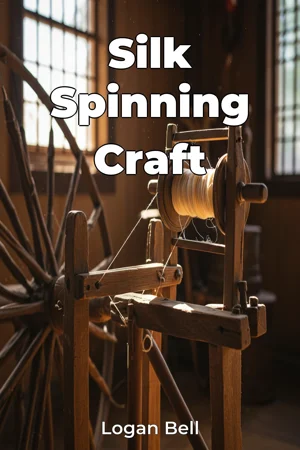
Imagine a world where the delicate art of silk spinning is not just a craft, but a deeply woven thread in the fabric of family heritage. *Silk Spinning Craft* delves into this intricate world, revealing the secrets, traditions, and enduring legacy of silk production within Asian homes. This book serves as both a historical record and a practical guide, celebrating the ingenuity and dedication of families who have kept this ancient practice alive. This book explores three primary themes: the historical development of silk production in Asian households, the techniques and tools employed in home-based silk spinning, and the social and cultural significance of silk within familial structures. These themes are significant because they illuminate a largely undocumented aspect of textile history, demonstrating the profound impact of domestic craft on cultural identity and economic sustainability. This book will provide context to home-based silk production, exploring its roots in ancient trade routes, imperial decrees, and the resourcefulness of local communities. No prior knowledge is needed, just an appreciation for history and craft. The central argument of *Silk Spinning Craft* is that home-based silk production in Asia is not merely a quaint tradition, but a vital form of cultural preservation and a testament to the resilience of family heritage. The book makes the case that understanding this practice provides valuable insights into the social, economic, and artistic landscape of Asia. The book begins by introducing the origins of silk and its early cultivation in China, tracing its spread across Asia. It then examines the evolution of silk spinning techniques, focusing on the tools and methods used within family homes. Further, the book explores the social dynamics of silk production, highlighting the roles of women, children, and elders in the process. It culminates with a discussion of the challenges faced by modern silk-spinning families and the efforts to preserve this heritage in the face of globalization. It also offers insight into how the techniques might be reapplied or revitalized. The book's arguments are supported by a range of evidence, including historical documents, ethnographic studies, and first-hand accounts from silk-spinning families. The book draws upon previously untranslated archival materials and oral histories collected from villages across China, India, and Southeast Asia. *Silk Spinning Craft* is a journey that draws connections between history, anthropology, and textile arts. By examining silk production through a family lens, the book offers a unique perspective on Asian history. The blend of historical research and practical craft instruction sets this book apart, emphasizing the human element of silk production. The tone is informative and respectful, aiming to present a balanced and nuanced portrayal of silk-spinning families. The target audience includes textile enthusiasts, historians, cultural anthropologists, and anyone interested in learning about traditional crafts and Asian culture. This book is valuable to them because it offers a rare glimpse into a world rarely documented. As a work of history and craft, this book delivers on its commitment to providing accurate and detailed information about silk production techniques and their historical context. While the book aims to be comprehensive, it acknowledges the vastness of the topic and focuses on specific regions and communities to provide in-depth analysis. The information presented in *Silk Spinning Craft* has real-world applications for contemporary textile artists, designers, and sustainable fashion advocates. By understanding the traditional methods of silk production, readers can gain a deeper appreciation for the craft and explore ways to incorporate these principles into their own work. Moreover, the book sheds light on important issues related to fair trade, cultural preservation, and environmental sustainability. The book addresses the debates surrounding the ethical sourcing of silk and the impact of globalization on traditional craft industries. By presenting diverse perspectives and promoting critical thinking, *Silk Spinning Craft* encourages readers to engage with these complex issues and contribute to finding sustainable solutions.
Imagine a world where the delicate art of silk spinning is not just a craft, but a deeply woven thread in the fabric of family heritage. *Silk Spinning Craft* delves into this intricate world, revealing the secrets, traditions, and enduring legacy of silk production within Asian homes. This book serves as both a historical record and a practical guide, celebrating the ingenuity and dedication of families who have kept this ancient practice alive. This book explores three primary themes: the historical development of silk production in Asian households, the techniques and tools employed in home-based silk spinning, and the social and cultural significance of silk within familial structures. These themes are significant because they illuminate a largely undocumented aspect of textile history, demonstrating the profound impact of domestic craft on cultural identity and economic sustainability. This book will provide context to home-based silk production, exploring its roots in ancient trade routes, imperial decrees, and the resourcefulness of local communities. No prior knowledge is needed, just an appreciation for history and craft. The central argument of *Silk Spinning Craft* is that home-based silk production in Asia is not merely a quaint tradition, but a vital form of cultural preservation and a testament to the resilience of family heritage. The book makes the case that understanding this practice provides valuable insights into the social, economic, and artistic landscape of Asia. The book begins by introducing the origins of silk and its early cultivation in China, tracing its spread across Asia. It then examines the evolution of silk spinning techniques, focusing on the tools and methods used within family homes. Further, the book explores the social dynamics of silk production, highlighting the roles of women, children, and elders in the process. It culminates with a discussion of the challenges faced by modern silk-spinning families and the efforts to preserve this heritage in the face of globalization. It also offers insight into how the techniques might be reapplied or revitalized. The book's arguments are supported by a range of evidence, including historical documents, ethnographic studies, and first-hand accounts from silk-spinning families. The book draws upon previously untranslated archival materials and oral histories collected from villages across China, India, and Southeast Asia. *Silk Spinning Craft* is a journey that draws connections between history, anthropology, and textile arts. By examining silk production through a family lens, the book offers a unique perspective on Asian history. The blend of historical research and practical craft instruction sets this book apart, emphasizing the human element of silk production. The tone is informative and respectful, aiming to present a balanced and nuanced portrayal of silk-spinning families. The target audience includes textile enthusiasts, historians, cultural anthropologists, and anyone interested in learning about traditional crafts and Asian culture. This book is valuable to them because it offers a rare glimpse into a world rarely documented. As a work of history and craft, this book delivers on its commitment to providing accurate and detailed information about silk production techniques and their historical context. While the book aims to be comprehensive, it acknowledges the vastness of the topic and focuses on specific regions and communities to provide in-depth analysis. The information presented in *Silk Spinning Craft* has real-world applications for contemporary textile artists, designers, and sustainable fashion advocates. By understanding the traditional methods of silk production, readers can gain a deeper appreciation for the craft and explore ways to incorporate these principles into their own work. Moreover, the book sheds light on important issues related to fair trade, cultural preservation, and environmental sustainability. The book addresses the debates surrounding the ethical sourcing of silk and the impact of globalization on traditional craft industries. By presenting diverse perspectives and promoting critical thinking, *Silk Spinning Craft* encourages readers to engage with these complex issues and contribute to finding sustainable solutions.
*Silk Spinning Craft* explores the rich history and cultural significance of home-based silk production in Asia. The book delves into the world of Asian heritage by examining traditional silk production techniques, highlighting how this craft has played a vital role in family tradition and cultural preservation. Readers will discover how silk production, rooted in ancient trade routes, became a cornerstone of economic sustainability for many families. This book uniquely blends historical insights with practical craft knowledge, offering a comprehensive look at textile history through an ethnographic lens. Beginning with the origins of silk and its spread across Asia, the book progresses to explore specific silk production techniques and the social dynamics within silk-spinning families. It also addresses modern challenges faced by these communities. The approach emphasizes the human element of silk production, drawing on historical documents, oral histories, and ethnographic studies to paint a nuanced picture. By understanding the resilience and ingenuity of these families, readers gain a deeper appreciation for this historical craft and its ongoing relevance.
Book Details
ISBN
9788235203472
Publisher
Publifye AS
Your Licenses
You don't own any licenses for this book
Purchase a license below to unlock this book and download the EPUB.
Purchase License
Select a tier to unlock this book
Need bulk licensing?
Contact us for enterprise agreements.