
About This Book
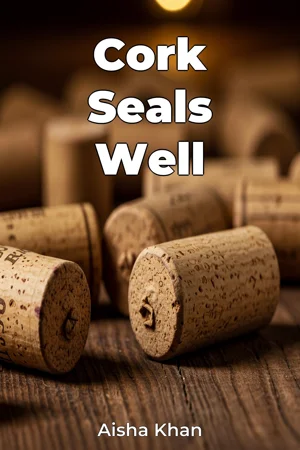
Ever wondered how a simple piece of tree bark became essential to preserving some of the world’s most cherished wines and other bottled goods? "Cork Seals Well" delves into the surprisingly rich history and enduring effectiveness of cork as a sealing material, tracing its use from the 1600s to the present day, as revealed through meticulous examination of trade records and historical accounts. This book explores the dual nature of cork: its simple, natural origins juxtaposed with its crucial role in shaping global commerce and cultural traditions related to preservation and consumption. This book addresses two central topics: the historical evolution of cork production and trade and the scientific properties that make cork such an effective sealant. Understanding these topics is crucial for appreciating how a seemingly mundane material has exerted a significant influence on industries ranging from winemaking to pharmaceuticals. Furthermore, it sheds light on the crucial intersection of environmental sustainability and human enterprise, as cork harvesting, when done responsibly, represents a model for a renewable resource industry. Historically, the rise of glass bottle production in the 17th century created a need for reliable sealing methods. Before cork became widespread, various materials were used, often with limited success. The book will explore the social and economic factors that facilitated the adoption of cork, including the growth of international trade networks and the increasing demand for preserved goods. No prior scientific or historical expertise is required to understand the book; explanations of key concepts are integrated throughout. The central argument of "Cork Seals Well" is that the consistent effectiveness and unique sustainability of cork have made it an indispensable material throughout modern history, driving innovation in related industries and fostering a unique relationship between human needs and natural resources. This argument is significant because it challenges the notion that technological advancements inevitably lead to the abandonment of natural materials. Instead, it highlights how a sustainable, natural product has maintained its relevance in the face of synthetic alternatives. The book is structured to provide a comprehensive understanding of cork. It begins by introducing the natural properties of cork and its early uses, drawing upon botanical studies and archaeological findings. The core of the book traces the development of the cork industry from the 17th century onwards, examining trade records from Portugal, Spain, and other key producing regions. Major points include: (1) the establishment of cork harvesting practices and processing techniques; (2) the role of cork in the development of winemaking and other bottled goods industries; and (3) the impact of technological innovations on cork production and consumption. The book culminates by exploring the environmental and economic challenges facing the cork industry today, including competition from synthetic alternatives and the need for sustainable harvesting practices. Finally, the book considers practical applications and sustainable implications of cork usage. The evidence presented relies heavily on primary source materials, including trade ledgers, shipping manifests, and historical accounts from cork producers and merchants. Scientific studies on the properties of cork, such as its impermeability and elasticity, are also included. The book benefits from unique access to historical data from private collections of cork-producing families and trade guilds providing unprecedented insights into the industry's development. "Cork Seals Well" connects to several other fields, including environmental science (sustainable resource management), economics (commodity trade and market dynamics), and material science (the properties and applications of natural materials). These connections enhance the book's argument by demonstrating the multifaceted nature of cork's influence. This book stands out due to its interdisciplinary approach, combining historical analysis with scientific insights and economic data to provide a holistic perspective on the story of cork. The tone of the book is informative and engaging, aiming to make a niche topic accessible to a broad audience. While grounded in rigorous research, the writing style is clear and avoids excessive jargon. The primary target audience includes readers interested in business history, environmental sustainability, and the history of food and drink. Secondary audiences are wine enthusiasts, amateur historians, and anyone curious about the origins of everyday objects. They will find value in understanding the history and science behind a material that is often taken for granted. As a work of history and business, "Cork Seals Well" adheres to the conventions of scholarly research, including thorough sourcing, clear argumentation, and balanced consideration of different perspectives. The book's scope is limited to the history and properties of natural cork, excluding detailed analyses of synthetic alternatives. This focus allows for a comprehensive exploration of cork's unique characteristics and its enduring importance. Readers can apply the information in this book to make more informed choices about sustainable consumption and to appreciate the complex relationships between human industry and the natural world. The book addresses ongoing debates within the cork industry, such as the environmental impact of cork harvesting and the competition from synthetic closures, presenting different viewpoints and offering potential solutions.
Ever wondered how a simple piece of tree bark became essential to preserving some of the world’s most cherished wines and other bottled goods? "Cork Seals Well" delves into the surprisingly rich history and enduring effectiveness of cork as a sealing material, tracing its use from the 1600s to the present day, as revealed through meticulous examination of trade records and historical accounts. This book explores the dual nature of cork: its simple, natural origins juxtaposed with its crucial role in shaping global commerce and cultural traditions related to preservation and consumption. This book addresses two central topics: the historical evolution of cork production and trade and the scientific properties that make cork such an effective sealant. Understanding these topics is crucial for appreciating how a seemingly mundane material has exerted a significant influence on industries ranging from winemaking to pharmaceuticals. Furthermore, it sheds light on the crucial intersection of environmental sustainability and human enterprise, as cork harvesting, when done responsibly, represents a model for a renewable resource industry. Historically, the rise of glass bottle production in the 17th century created a need for reliable sealing methods. Before cork became widespread, various materials were used, often with limited success. The book will explore the social and economic factors that facilitated the adoption of cork, including the growth of international trade networks and the increasing demand for preserved goods. No prior scientific or historical expertise is required to understand the book; explanations of key concepts are integrated throughout. The central argument of "Cork Seals Well" is that the consistent effectiveness and unique sustainability of cork have made it an indispensable material throughout modern history, driving innovation in related industries and fostering a unique relationship between human needs and natural resources. This argument is significant because it challenges the notion that technological advancements inevitably lead to the abandonment of natural materials. Instead, it highlights how a sustainable, natural product has maintained its relevance in the face of synthetic alternatives. The book is structured to provide a comprehensive understanding of cork. It begins by introducing the natural properties of cork and its early uses, drawing upon botanical studies and archaeological findings. The core of the book traces the development of the cork industry from the 17th century onwards, examining trade records from Portugal, Spain, and other key producing regions. Major points include: (1) the establishment of cork harvesting practices and processing techniques; (2) the role of cork in the development of winemaking and other bottled goods industries; and (3) the impact of technological innovations on cork production and consumption. The book culminates by exploring the environmental and economic challenges facing the cork industry today, including competition from synthetic alternatives and the need for sustainable harvesting practices. Finally, the book considers practical applications and sustainable implications of cork usage. The evidence presented relies heavily on primary source materials, including trade ledgers, shipping manifests, and historical accounts from cork producers and merchants. Scientific studies on the properties of cork, such as its impermeability and elasticity, are also included. The book benefits from unique access to historical data from private collections of cork-producing families and trade guilds providing unprecedented insights into the industry's development. "Cork Seals Well" connects to several other fields, including environmental science (sustainable resource management), economics (commodity trade and market dynamics), and material science (the properties and applications of natural materials). These connections enhance the book's argument by demonstrating the multifaceted nature of cork's influence. This book stands out due to its interdisciplinary approach, combining historical analysis with scientific insights and economic data to provide a holistic perspective on the story of cork. The tone of the book is informative and engaging, aiming to make a niche topic accessible to a broad audience. While grounded in rigorous research, the writing style is clear and avoids excessive jargon. The primary target audience includes readers interested in business history, environmental sustainability, and the history of food and drink. Secondary audiences are wine enthusiasts, amateur historians, and anyone curious about the origins of everyday objects. They will find value in understanding the history and science behind a material that is often taken for granted. As a work of history and business, "Cork Seals Well" adheres to the conventions of scholarly research, including thorough sourcing, clear argumentation, and balanced consideration of different perspectives. The book's scope is limited to the history and properties of natural cork, excluding detailed analyses of synthetic alternatives. This focus allows for a comprehensive exploration of cork's unique characteristics and its enduring importance. Readers can apply the information in this book to make more informed choices about sustainable consumption and to appreciate the complex relationships between human industry and the natural world. The book addresses ongoing debates within the cork industry, such as the environmental impact of cork harvesting and the competition from synthetic closures, presenting different viewpoints and offering potential solutions.
"Cork Seals Well" explores the fascinating history and enduring importance of cork, revealing how this seemingly simple tree bark became essential for preserving wine and other bottled goods since the 1600s. By examining trade records and historical accounts, the book uncovers cork's dual role: a natural product deeply intertwined with global commerce and cultural traditions. One intriguing aspect highlighted is how the rise of glass bottle production spurred the demand for reliable seals, leading to cork's widespread adoption. The book delves into both the historical evolution of cork production and the scientific properties that make it such an effective sealant. It argues that cork's sustainability has allowed it to remain relevant despite synthetic alternatives. Structured to provide a comprehensive understanding, "Cork Seals Well" begins with cork's natural properties and early uses, progressing through the development of the cork industry, its impact on winemaking, and the environmental and economic challenges it faces today. The book emphasizes the crucial intersection of environmental sustainability and human enterprise, showcasing responsible cork harvesting as a model for renewable resource management. By combining historical analysis, scientific insights, and economic data, it offers a holistic view, making this niche topic accessible to a broad audience interested in business history, environmental sustainability, and the history of food and drink.
Book Details
ISBN
9788235203458
Publisher
Publifye AS
Your Licenses
You don't own any licenses for this book
Purchase a license below to unlock this book and download the EPUB.
Purchase License
Select a tier to unlock this book
Need bulk licensing?
Contact us for enterprise agreements.