
About This Book
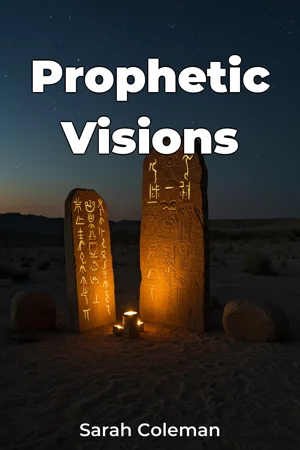
Throughout history, have prophetic visions shaped the course of civilizations, influencing not only religious beliefs but also political decisions and cultural norms? "Prophetic Visions" explores the profound impact of divine revelations and prophecies on religious texts, historical events, and the broader tapestry of human experience. This book delves into the multifaceted role of prophecy, examining its interpretation, its sociopolitical consequences, and its enduring influence on diverse cultures and faiths. This book elucidates the central concepts of prophecy and revelation, differentiating between various forms of prophetic expression and exploring the historical contexts in which they arose. It also examines the significance of hermeneutics, or the interpretation of sacred texts, highlighting how different approaches to understanding prophetic messages have led to divergent theological and historical outcomes. Understanding these interpretive frameworks is crucial for grasping the complex relationship between prophecy and its impact on religious and secular affairs. Moving beyond theoretical considerations, "Prophetic Visions" analyzes specific case studies from different religious traditions, including Judaism, Christianity, and Islam. Each case study examines the historical context surrounding particular prophetic utterances, the methods used to interpret them, and their documented impact on the development of religious doctrine, social movements, and political events. The book investigates how prophetic texts have been used to justify social reforms, inspire revolutionary movements, and legitimize political authority, shedding light on the dynamic interplay between religious belief and worldly power. The book's central argument posits that prophetic visions, regardless of their verifiable origin, have served as powerful catalysts for social, political, and religious change throughout history. Whether viewed as divinely inspired or as products of human imagination responding to societal pressures, prophetic pronouncements provide a framework for understanding the world, motivating action, and shaping collective identity. By analyzing specific instances across diverse cultures, the book demonstrates the enduring capacity of prophecy to influence human behavior and shape the course of history. The structure of "Prophetic Visions" begins with an introduction to the concepts of prophecy and revelation, followed by an exploration of the hermeneutical approaches used to interpret prophetic texts. It then presents a series of case studies from different religious traditions, each examining the historical context, interpretive methods, and documented impact of specific prophetic events. The book culminates in a discussion of the enduring legacy of prophecy, its relevance to contemporary issues, and its implications for understanding the interplay between religious belief and worldly affairs. The evidence presented in "Prophetic Visions" is drawn from a variety of sources, including primary religious texts, historical documents, archaeological findings, and scholarly analyses. The book employs a comparative approach, drawing connections between prophetic traditions in different cultures and exploring common themes and patterns. It also utilizes interdisciplinary insights from fields such as history, sociology, anthropology, and religious studies to provide a comprehensive and nuanced understanding of the phenomenon of prophecy. "Prophetic Visions" connects to diverse fields of study, most notably history, religious studies, political science, and sociology. By examining the historical context of prophetic events, the book contributes to a deeper understanding of the social, political, and economic factors that shaped the ancient and modern world. It offers valuable insights into the dynamics of religious movements, the role of ideology in shaping political behavior, and the complex relationship between culture and power. The approach used in "Prophetic Visions" emphasizes a balanced and objective analysis of prophetic traditions, acknowledging the diverse perspectives and interpretations that exist within and across different cultures. It seeks to move beyond simplistic explanations of prophecy as either divinely inspired or purely human constructs, instead emphasizing the complex interplay between faith, reason, and historical context. The target audience for "Prophetic Visions" includes students, scholars, and general readers interested in history, religion, and political science. Anyone seeking a deeper understanding of the role of prophecy in shaping human civilization will find this book valuable. In line with the conventions of non-fiction historical and religious studies, the book maintains a scholarly tone while also providing accessible and engaging content. While acknowledging the vastness of the topic, the scope of "Prophetic Visions" is limited to examining specific case studies that illustrate the broader themes and arguments presented. It does not attempt to provide an exhaustive account of every prophetic tradition in history, but rather focuses on providing in-depth analyses of selected examples. The insights presented in "Prophetic Visions" have practical applications for understanding contemporary issues such as religious extremism, political polarization, and cultural conflict. By examining how prophetic traditions have been used to justify violence, promote social justice, and shape political agendas, the book provides a framework for analyzing the role of belief in shaping human behavior and influencing world events. It sheds light on ongoing debates surrounding the interpretation of sacred texts, the relationship between faith and reason, and the role of religion in public life.
Throughout history, have prophetic visions shaped the course of civilizations, influencing not only religious beliefs but also political decisions and cultural norms? "Prophetic Visions" explores the profound impact of divine revelations and prophecies on religious texts, historical events, and the broader tapestry of human experience. This book delves into the multifaceted role of prophecy, examining its interpretation, its sociopolitical consequences, and its enduring influence on diverse cultures and faiths. This book elucidates the central concepts of prophecy and revelation, differentiating between various forms of prophetic expression and exploring the historical contexts in which they arose. It also examines the significance of hermeneutics, or the interpretation of sacred texts, highlighting how different approaches to understanding prophetic messages have led to divergent theological and historical outcomes. Understanding these interpretive frameworks is crucial for grasping the complex relationship between prophecy and its impact on religious and secular affairs. Moving beyond theoretical considerations, "Prophetic Visions" analyzes specific case studies from different religious traditions, including Judaism, Christianity, and Islam. Each case study examines the historical context surrounding particular prophetic utterances, the methods used to interpret them, and their documented impact on the development of religious doctrine, social movements, and political events. The book investigates how prophetic texts have been used to justify social reforms, inspire revolutionary movements, and legitimize political authority, shedding light on the dynamic interplay between religious belief and worldly power. The book's central argument posits that prophetic visions, regardless of their verifiable origin, have served as powerful catalysts for social, political, and religious change throughout history. Whether viewed as divinely inspired or as products of human imagination responding to societal pressures, prophetic pronouncements provide a framework for understanding the world, motivating action, and shaping collective identity. By analyzing specific instances across diverse cultures, the book demonstrates the enduring capacity of prophecy to influence human behavior and shape the course of history. The structure of "Prophetic Visions" begins with an introduction to the concepts of prophecy and revelation, followed by an exploration of the hermeneutical approaches used to interpret prophetic texts. It then presents a series of case studies from different religious traditions, each examining the historical context, interpretive methods, and documented impact of specific prophetic events. The book culminates in a discussion of the enduring legacy of prophecy, its relevance to contemporary issues, and its implications for understanding the interplay between religious belief and worldly affairs. The evidence presented in "Prophetic Visions" is drawn from a variety of sources, including primary religious texts, historical documents, archaeological findings, and scholarly analyses. The book employs a comparative approach, drawing connections between prophetic traditions in different cultures and exploring common themes and patterns. It also utilizes interdisciplinary insights from fields such as history, sociology, anthropology, and religious studies to provide a comprehensive and nuanced understanding of the phenomenon of prophecy. "Prophetic Visions" connects to diverse fields of study, most notably history, religious studies, political science, and sociology. By examining the historical context of prophetic events, the book contributes to a deeper understanding of the social, political, and economic factors that shaped the ancient and modern world. It offers valuable insights into the dynamics of religious movements, the role of ideology in shaping political behavior, and the complex relationship between culture and power. The approach used in "Prophetic Visions" emphasizes a balanced and objective analysis of prophetic traditions, acknowledging the diverse perspectives and interpretations that exist within and across different cultures. It seeks to move beyond simplistic explanations of prophecy as either divinely inspired or purely human constructs, instead emphasizing the complex interplay between faith, reason, and historical context. The target audience for "Prophetic Visions" includes students, scholars, and general readers interested in history, religion, and political science. Anyone seeking a deeper understanding of the role of prophecy in shaping human civilization will find this book valuable. In line with the conventions of non-fiction historical and religious studies, the book maintains a scholarly tone while also providing accessible and engaging content. While acknowledging the vastness of the topic, the scope of "Prophetic Visions" is limited to examining specific case studies that illustrate the broader themes and arguments presented. It does not attempt to provide an exhaustive account of every prophetic tradition in history, but rather focuses on providing in-depth analyses of selected examples. The insights presented in "Prophetic Visions" have practical applications for understanding contemporary issues such as religious extremism, political polarization, and cultural conflict. By examining how prophetic traditions have been used to justify violence, promote social justice, and shape political agendas, the book provides a framework for analyzing the role of belief in shaping human behavior and influencing world events. It sheds light on ongoing debates surrounding the interpretation of sacred texts, the relationship between faith and reason, and the role of religion in public life.
"Prophetic Visions" explores the significant influence of prophetic visions and revelations on religious history, political events, and societal norms. It delves into how these visions, whether divinely inspired or human constructs, have shaped religious doctrine and ignited social movements across diverse cultures. The book uniquely examines the interpretation of sacred texts (hermeneutics) and how differing interpretations have led to varied theological outcomes, highlighting the dynamic interplay between religious belief and worldly power. The book analyzes case studies from Judaism, Christianity, and Islam, to demonstrate how prophecy has been used to justify social reforms, inspire revolutionary movements, and legitimize political authority. It reveals how prophetic pronouncements provide a framework for understanding the world, motivating action, and shaping collective identity. Beginning with an introduction to prophecy, the book progresses to exploring hermeneutical approaches, followed by case studies and culminating in a discussion of prophecy's legacy and relevance to contemporary issues. This approach offers readers a balanced, objective analysis of prophetic traditions, demonstrating their enduring capacity to influence human behavior and the course of history.
Book Details
ISBN
9788235203335
Publisher
Publifye AS
Your Licenses
You don't own any licenses for this book
Purchase a license below to unlock this book and download the EPUB.
Purchase License
Select a tier to unlock this book
Need bulk licensing?
Contact us for enterprise agreements.