
About This Book
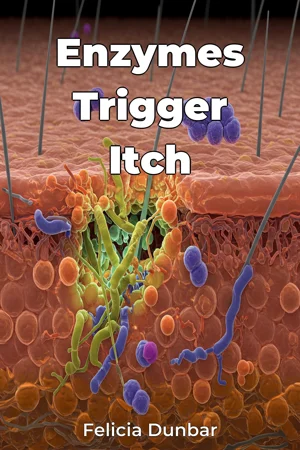
Why does that new biological laundry detergent cause persistent itching, even after multiple rinses? *Enzymes Trigger Itch* investigates the dermatological impacts of biological detergents, connecting the science of enzyme activity with the lived experience of skin irritation. This book explores the complex interplay between the enzymes in modern detergents, their effects on the skin's delicate barrier, and the subsequent cascade of inflammatory responses that lead to pruritus, commonly known as itching. The key topics include the specific types of enzymes used in biological detergents – proteases, lipases, and amylases – and their mechanisms of action on fabrics and, crucially, on human skin. The book also delves into the structure and function of the skin barrier, explaining how these enzymes can compromise its integrity. Understanding these factors is vital because the increasing prevalence of biological detergents reflects both their effectiveness in stain removal and a growing concern about their potential adverse effects on public health, particularly for individuals with sensitive skin or pre-existing dermatological conditions. To provide context, we will examine the history of detergent development, tracing the shift from traditional soaps to synthetic surfactants and, finally, to enzyme-enhanced formulations. We will look at the regulatory landscape governing the use of enzymes in consumer products, noting the variations in safety standards across different regions. While the book assumes a basic understanding of biology, particularly cell structure and enzyme function, it offers clear explanations of complex biochemical processes to ensure accessibility for a broad audience. The central argument of *Enzymes Trigger Itch* is that the enzymatic activity, while beneficial for cleaning, can disrupt the skin's natural protective mechanisms, triggering an immune response that manifests as itching, rashes, and other forms of dermatitis. This argument challenges the assumption that all biological detergents are inherently safe for all users and highlights the need for more rigorous testing and clearer labeling practices. The book is structured in three core parts. The first part introduces the biochemistry of enzymes commonly found in detergents and details the structure and function of the human skin barrier. The second section explores the direct interaction between these enzymes and skin cells, presenting data from in vitro and in vivo studies that demonstrate the mechanisms by which enzymes penetrate and disrupt the skin. Specific chapters will focus on the effects of proteases on keratinocytes, lipases on skin lipids, and the role of inflammation in amplifying the itch response. The final section synthesizes the evidence, discussing the implications for public health and offering practical recommendations for minimizing the risk of detergent-related skin irritation. This includes guidance on selecting appropriate detergents, optimizing washing machine settings, and managing symptoms of allergic reactions or sensitivities. Research includes peer-reviewed studies from dermatology, toxicology, and biochemistry journals, along with data from industry-sponsored research on detergent safety. A unique aspect is our analysis of patch test results from clinical trials, correlated with the specific enzyme concentrations and formulations used in various commercial detergents. Interdisciplinary connections are made to immunology, exploring the role of histamine and other inflammatory mediators in the itch response; to materials science, examining the properties of different fabrics and their interaction with detergents; and to public health, assessing the impact of widespread detergent use on the prevalence of allergic skin conditions. *Enzymes Trigger Itch* takes a proactive, science-based approach to understanding and addressing a common yet often overlooked health concern. Instead of simply attributing skin irritation to "sensitive skin," it delves into the biochemical mechanisms underlying these reactions. Written in a clear and accessible academic style, the book is aimed at dermatologists, allergists, researchers in the field of consumer product safety, and informed consumers who are seeking a deeper knowledge of the potential health impacts of everyday products. As a work of science and medical research, it adheres to the standards of evidence-based analysis and rigorous methodology. The scope is intentionally limited to the dermatological effects of enzymes in laundry detergents, excluding other potential irritants or allergens found in these products. It does not cover the environmental impacts of detergent use. Readers can use this information to make informed choices about the detergents they use, to understand the potential causes of their skin irritation, and to advocate for safer product formulations and clearer labeling. Finally, the book touches upon the ongoing debate surrounding the use of enzymes derived from genetically modified organisms in detergents, exploring the scientific evidence and public perceptions associated with this technology.
Why does that new biological laundry detergent cause persistent itching, even after multiple rinses? *Enzymes Trigger Itch* investigates the dermatological impacts of biological detergents, connecting the science of enzyme activity with the lived experience of skin irritation. This book explores the complex interplay between the enzymes in modern detergents, their effects on the skin's delicate barrier, and the subsequent cascade of inflammatory responses that lead to pruritus, commonly known as itching. The key topics include the specific types of enzymes used in biological detergents – proteases, lipases, and amylases – and their mechanisms of action on fabrics and, crucially, on human skin. The book also delves into the structure and function of the skin barrier, explaining how these enzymes can compromise its integrity. Understanding these factors is vital because the increasing prevalence of biological detergents reflects both their effectiveness in stain removal and a growing concern about their potential adverse effects on public health, particularly for individuals with sensitive skin or pre-existing dermatological conditions. To provide context, we will examine the history of detergent development, tracing the shift from traditional soaps to synthetic surfactants and, finally, to enzyme-enhanced formulations. We will look at the regulatory landscape governing the use of enzymes in consumer products, noting the variations in safety standards across different regions. While the book assumes a basic understanding of biology, particularly cell structure and enzyme function, it offers clear explanations of complex biochemical processes to ensure accessibility for a broad audience. The central argument of *Enzymes Trigger Itch* is that the enzymatic activity, while beneficial for cleaning, can disrupt the skin's natural protective mechanisms, triggering an immune response that manifests as itching, rashes, and other forms of dermatitis. This argument challenges the assumption that all biological detergents are inherently safe for all users and highlights the need for more rigorous testing and clearer labeling practices. The book is structured in three core parts. The first part introduces the biochemistry of enzymes commonly found in detergents and details the structure and function of the human skin barrier. The second section explores the direct interaction between these enzymes and skin cells, presenting data from in vitro and in vivo studies that demonstrate the mechanisms by which enzymes penetrate and disrupt the skin. Specific chapters will focus on the effects of proteases on keratinocytes, lipases on skin lipids, and the role of inflammation in amplifying the itch response. The final section synthesizes the evidence, discussing the implications for public health and offering practical recommendations for minimizing the risk of detergent-related skin irritation. This includes guidance on selecting appropriate detergents, optimizing washing machine settings, and managing symptoms of allergic reactions or sensitivities. Research includes peer-reviewed studies from dermatology, toxicology, and biochemistry journals, along with data from industry-sponsored research on detergent safety. A unique aspect is our analysis of patch test results from clinical trials, correlated with the specific enzyme concentrations and formulations used in various commercial detergents. Interdisciplinary connections are made to immunology, exploring the role of histamine and other inflammatory mediators in the itch response; to materials science, examining the properties of different fabrics and their interaction with detergents; and to public health, assessing the impact of widespread detergent use on the prevalence of allergic skin conditions. *Enzymes Trigger Itch* takes a proactive, science-based approach to understanding and addressing a common yet often overlooked health concern. Instead of simply attributing skin irritation to "sensitive skin," it delves into the biochemical mechanisms underlying these reactions. Written in a clear and accessible academic style, the book is aimed at dermatologists, allergists, researchers in the field of consumer product safety, and informed consumers who are seeking a deeper knowledge of the potential health impacts of everyday products. As a work of science and medical research, it adheres to the standards of evidence-based analysis and rigorous methodology. The scope is intentionally limited to the dermatological effects of enzymes in laundry detergents, excluding other potential irritants or allergens found in these products. It does not cover the environmental impacts of detergent use. Readers can use this information to make informed choices about the detergents they use, to understand the potential causes of their skin irritation, and to advocate for safer product formulations and clearer labeling. Finally, the book touches upon the ongoing debate surrounding the use of enzymes derived from genetically modified organisms in detergents, exploring the scientific evidence and public perceptions associated with this technology.
*Enzymes Trigger Itch* explores the often-overlooked connection between biological detergents and skin irritation. It delves into how enzymes like proteases, lipases, and amylases, while effective at stain removal, can disrupt the skin's natural barrier, leading to itching and other adverse reactions. The book highlights that the increasing use of enzyme-enhanced detergents raises concerns about public health, especially for those with sensitive skin. The book examines the history of detergent development, tracing the evolution from traditional soaps to enzyme-based formulations, and provides a detailed account of how these enzymes interact with skin cells. Readers will gain insights into the mechanisms by which enzymes penetrate and compromise the skin's integrity, triggering inflammatory responses. It presents research from dermatology, toxicology, and biochemistry, including analysis of patch test results correlated with specific enzyme concentrations. Divided into three parts, the book first introduces the biochemistry of detergent enzymes and the structure of the skin barrier. The second part presents the direct interaction between enzymes and skin cells. Finally, the book synthesizes the evidence, discussing implications for public health. It offers recommendations for minimizing the risk of detergent-related skin irritation, empowering readers to make informed choices and understand the causes of their skin issues.
Book Details
ISBN
9788235203236
Publisher
Publifye AS
Your Licenses
You don't own any licenses for this book
Purchase a license below to unlock this book and download the EPUB.
Purchase License
Select a tier to unlock this book
Need bulk licensing?
Contact us for enterprise agreements.