
About This Book
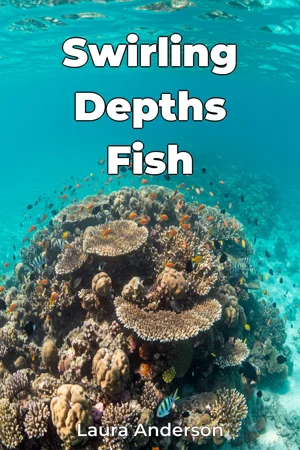
Could the knowledge of ancient fishing techniques be the key to surviving in a modern crisis? *Swirling Depths Fish* explores the potentially life-saving skill set of ocean hand-fishing, a practice deeply rooted in human history yet often overlooked in contemporary survival strategies. This book addresses two key topics: first, the diverse range of hand-fishing methods applicable in various ocean environments, and second, the crucial knowledge of marine life, safety protocols, and resourcefulness necessary for successful and sustainable foraging. These topics are vital because, in a disaster scenario, conventional food supplies may become unavailable, making the ability to procure sustenance directly from the ocean a critical survival advantage. Historically, coastal communities worldwide have relied on hand-fishing techniques for sustenance and trade. From Polynesian reef gleaning to Japanese Ama divers, these practices represent a deep understanding of marine ecosystems. *Swirling Depths Fish* draws on this rich history, blending historical accounts with practical instruction. No prior fishing experience is strictly required, though a basic understanding of marine environments and a moderate level of physical fitness will be beneficial. The central argument of *Swirling Depths Fish* is that hand-fishing, when practiced responsibly and with informed awareness, can be a reliable and sustainable method of obtaining food in a survival situation. This argument is supported by the increasing need for self-reliance in a world facing environmental challenges and potential societal disruptions. The book unfolds in a structured manner. First, it introduces the fundamental principles of hand-fishing, including fish behavior, tidal patterns, and habitat identification. It then delves into specific techniques such as reef netting, tide pool trapping, and free diving for shellfish, dedicating individual chapters to the practical application of each method. A significant portion of the book is dedicated to the identification of edible and poisonous marine species, emphasizing the importance of accurate identification to avoid potentially fatal mistakes. The book culminates in a discussion of sustainable harvesting practices and ethical considerations, ensuring the long-term viability of hand-fishing as a survival strategy. Practical applications are highlighted through hypothetical survival scenarios and case studies of individuals who have successfully relied on hand-fishing in real-world emergencies. The evidence presented in *Swirling Depths Fish* is drawn from a variety of sources, including ethnographic studies of indigenous fishing communities, scientific research on marine ecology, and firsthand accounts of experienced survivalists. Unique data includes detailed illustrations of hand-fishing tools and techniques, as well as photographic guides to marine species identification. This book connects to several interdisciplinary fields. Marine biology informs the reader on the behavior and habitats of fish. Anthropology provides valuable information on the historical and cultural significance of hand-fishing practices. Survival psychology enhances the understanding of the mental fortitude required for successful foraging in challenging conditions. *Swirling Depths Fish* distinguishes itself by combining practical instruction with a strong emphasis on ecological awareness and ethical responsibility. It advocates for a mindful approach to hand-fishing, promoting sustainability and respect for marine ecosystems. The tone of the book is informative, practical, and respectful. The writing style aims to be accessible to a broad audience, avoiding overly technical jargon while maintaining scientific accuracy. The target audience includes outdoor enthusiasts, survivalists, preppers, and anyone interested in learning about sustainable foraging practices. This book provides valuable knowledge and skills that could be crucial in a survival situation. As a nature and adventure non-fiction book, *Swirling Depths Fish* adheres to the genre's expectations of accuracy, detail, and practical relevance. It provides concrete instructions and actionable advice, empowering readers to develop valuable survival skills. The scope of *Swirling Depths Fish* is limited to hand-fishing techniques applicable in coastal environments. It does not cover deep-sea fishing or other methods that require specialized equipment. This intentional limitation allows for a focused and in-depth exploration of the chosen topic. The information in *Swirling Depths Fish* can be applied in various real-world scenarios, from wilderness survival situations to emergency preparedness planning. It also offers valuable insights for those interested in sustainable living and reducing their reliance on conventional food systems. While the effectiveness of hand-fishing as a sole survival strategy may be debated, *Swirling Depths Fish* argues that it is a valuable skill to possess, particularly when combined with other survival techniques. The book promotes informed decision-making and responsible resource management.
Could the knowledge of ancient fishing techniques be the key to surviving in a modern crisis? *Swirling Depths Fish* explores the potentially life-saving skill set of ocean hand-fishing, a practice deeply rooted in human history yet often overlooked in contemporary survival strategies. This book addresses two key topics: first, the diverse range of hand-fishing methods applicable in various ocean environments, and second, the crucial knowledge of marine life, safety protocols, and resourcefulness necessary for successful and sustainable foraging. These topics are vital because, in a disaster scenario, conventional food supplies may become unavailable, making the ability to procure sustenance directly from the ocean a critical survival advantage. Historically, coastal communities worldwide have relied on hand-fishing techniques for sustenance and trade. From Polynesian reef gleaning to Japanese Ama divers, these practices represent a deep understanding of marine ecosystems. *Swirling Depths Fish* draws on this rich history, blending historical accounts with practical instruction. No prior fishing experience is strictly required, though a basic understanding of marine environments and a moderate level of physical fitness will be beneficial. The central argument of *Swirling Depths Fish* is that hand-fishing, when practiced responsibly and with informed awareness, can be a reliable and sustainable method of obtaining food in a survival situation. This argument is supported by the increasing need for self-reliance in a world facing environmental challenges and potential societal disruptions. The book unfolds in a structured manner. First, it introduces the fundamental principles of hand-fishing, including fish behavior, tidal patterns, and habitat identification. It then delves into specific techniques such as reef netting, tide pool trapping, and free diving for shellfish, dedicating individual chapters to the practical application of each method. A significant portion of the book is dedicated to the identification of edible and poisonous marine species, emphasizing the importance of accurate identification to avoid potentially fatal mistakes. The book culminates in a discussion of sustainable harvesting practices and ethical considerations, ensuring the long-term viability of hand-fishing as a survival strategy. Practical applications are highlighted through hypothetical survival scenarios and case studies of individuals who have successfully relied on hand-fishing in real-world emergencies. The evidence presented in *Swirling Depths Fish* is drawn from a variety of sources, including ethnographic studies of indigenous fishing communities, scientific research on marine ecology, and firsthand accounts of experienced survivalists. Unique data includes detailed illustrations of hand-fishing tools and techniques, as well as photographic guides to marine species identification. This book connects to several interdisciplinary fields. Marine biology informs the reader on the behavior and habitats of fish. Anthropology provides valuable information on the historical and cultural significance of hand-fishing practices. Survival psychology enhances the understanding of the mental fortitude required for successful foraging in challenging conditions. *Swirling Depths Fish* distinguishes itself by combining practical instruction with a strong emphasis on ecological awareness and ethical responsibility. It advocates for a mindful approach to hand-fishing, promoting sustainability and respect for marine ecosystems. The tone of the book is informative, practical, and respectful. The writing style aims to be accessible to a broad audience, avoiding overly technical jargon while maintaining scientific accuracy. The target audience includes outdoor enthusiasts, survivalists, preppers, and anyone interested in learning about sustainable foraging practices. This book provides valuable knowledge and skills that could be crucial in a survival situation. As a nature and adventure non-fiction book, *Swirling Depths Fish* adheres to the genre's expectations of accuracy, detail, and practical relevance. It provides concrete instructions and actionable advice, empowering readers to develop valuable survival skills. The scope of *Swirling Depths Fish* is limited to hand-fishing techniques applicable in coastal environments. It does not cover deep-sea fishing or other methods that require specialized equipment. This intentional limitation allows for a focused and in-depth exploration of the chosen topic. The information in *Swirling Depths Fish* can be applied in various real-world scenarios, from wilderness survival situations to emergency preparedness planning. It also offers valuable insights for those interested in sustainable living and reducing their reliance on conventional food systems. While the effectiveness of hand-fishing as a sole survival strategy may be debated, *Swirling Depths Fish* argues that it is a valuable skill to possess, particularly when combined with other survival techniques. The book promotes informed decision-making and responsible resource management.
*Swirling Depths Fish* explores the ancient yet vital skill of ocean hand-fishing, positioning it as a critical component of modern survival strategies. The book emphasizes the importance of understanding diverse hand-fishing methods applicable across various marine environments, as well as the critical knowledge of marine life, safety protocols, and sustainable foraging. Readers will discover how coastal communities historically relied on these techniques, from Polynesian reef gleaning to Japanese Ama divers, showcasing a deep understanding of marine ecosystems. The book progresses methodically, starting with the foundational principles of hand-fishing, including fish behavior and tidal patterns. It then delves into specific techniques like reef netting and tide pool trapping, dedicating chapters to the practical application of each method. A significant portion focuses on identifying edible and poisonous marine species, highlighting the importance of accurate identification. Ultimately, *Swirling Depths Fish* stands out by combining practical instruction with a strong emphasis on ecological awareness and ethical responsibility, advocating for a mindful approach to hand-fishing to promote sustainability.
Book Details
ISBN
9788235203083
Publisher
Publifye AS
Your Licenses
You don't own any licenses for this book
Purchase a license below to unlock this book and download the EPUB.
Purchase License
Select a tier to unlock this book
Need bulk licensing?
Contact us for enterprise agreements.