
About This Book
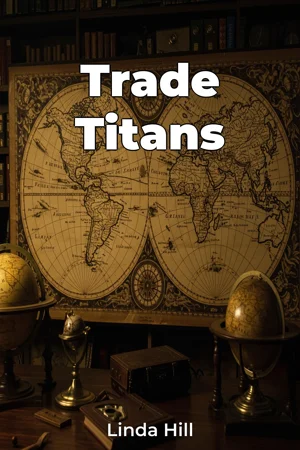
How did individuals shape the world economy we know today? "Trade Titans" explores the lives and legacies of the historic figures who not only dominated trade routes but also established the commercial powerhouses that underpin our globalized world. This book examines the crucial roles these figures played in shaping international economies. This book delves into the intertwined histories of commerce, power, and individual vision, focusing on the key players who built vast trading empires. The core topics are: The establishment and control of trade routes, including the Silk Road, the spice routes, and trans-Atlantic networks; the construction of major commerce hubs, such as Venice, Amsterdam, and Hong Kong, and the strategies employed to attract and maintain trade; and the long-lasting impact of these individuals on the development of international economies and institutions. Understanding these topics offers insights into the forces that drive globalization, economic development, and the shifting balance of power. To fully appreciate the accomplishments of these trade titans, a basic understanding of world history, particularly the periods of exploration, colonization, and industrialization, is beneficial. No prior knowledge of economics or business is required, as key concepts will be explained clearly. "Trade Titans" argues that individual ambition, strategic acumen, and a willingness to take calculated risks were essential drivers of global economic transformation. These individuals were not merely merchants; they were visionary leaders who shaped trade networks and influenced international relations. Their actions created lasting effects on global power dynamics, contributing to the rise and fall of empires and the creation of unprecedented wealth. The book begins by introducing the concept of the "trade titan" and outlining the historical preconditions that allowed them to rise to prominence. The subsequent chapters explore specific case studies, examining figures such as Zheng He, the Chinese admiral who led massive voyages of exploration; Jakob Fugger, the German merchant banker who financed emperors; and Cornelius Vanderbilt, the American shipping and railroad tycoon. Each chapter analyzes their strategies, their impact on the global economy, and the ethical dilemmas they faced. The book culminates by evaluating the legacies of these trade titans and drawing parallels to modern-day entrepreneurs and business leaders. It also examines the unintended consequences of their actions, including issues of exploitation, inequality, and environmental degradation. The arguments presented in "Trade Titans" are based on extensive research, drawing on primary sources such as historical trade records, personal letters, and financial documents. Secondary sources, including biographies, economic histories, and works on international relations, provide additional context and analysis. This book connects to fields such as economic history, international relations, and business ethics. For example, the analysis of trade routes is enriched by geographical and logistical considerations, while the examination of financial institutions draws on economic theory and practice. Furthermore, the discussion of ethical dilemmas benefits from philosophical perspectives on morality and justice. "Trade Titans" offers a fresh perspective by focusing on the human element of global trade. It moves beyond broad economic trends to examine the individual choices and actions that shaped history. The book’s accessible writing style and engaging narratives make it suitable for a broad audience, while its rigorous research and interdisciplinary approach ensure its scholarly value. The target audience comprises students of history, business, and economics, as well as general readers interested in understanding the forces that have shaped the modern world. The book provides valuable insights into the dynamics of global trade, the challenges and opportunities of entrepreneurship, and the ethical implications of economic power. As a work of non-fiction history, "Trade Titans" adheres to the conventions of accuracy, objectivity, and evidence-based argumentation. It avoids speculative claims and presents multiple perspectives on controversial issues. The scope of "Trade Titans" is intentionally broad, covering several centuries and continents to provide a comprehensive overview of the role of individuals in shaping global trade. However, it does not aim to be an exhaustive account of every major trading figure but rather focuses on a select group of individuals who exemplify key themes and challenges. The lessons learned from the lives of these trade titans can be applied to modern-day business and leadership. Their strategies for building and managing complex organizations, navigating political and economic uncertainty, and adapting to changing market conditions offer valuable insights for entrepreneurs and business leaders. The book also raises important questions about the ethical responsibilities of those who wield economic power. The book also acknowledges the debates surrounding the impact of these figures, including discussions about fair trade practices, labor exploitation, and the environmental cost of economic growth. By presenting these debates, "Trade Titans" encourages readers to critically evaluate the legacies of these individuals and consider the long-term implications of their actions.
How did individuals shape the world economy we know today? "Trade Titans" explores the lives and legacies of the historic figures who not only dominated trade routes but also established the commercial powerhouses that underpin our globalized world. This book examines the crucial roles these figures played in shaping international economies. This book delves into the intertwined histories of commerce, power, and individual vision, focusing on the key players who built vast trading empires. The core topics are: The establishment and control of trade routes, including the Silk Road, the spice routes, and trans-Atlantic networks; the construction of major commerce hubs, such as Venice, Amsterdam, and Hong Kong, and the strategies employed to attract and maintain trade; and the long-lasting impact of these individuals on the development of international economies and institutions. Understanding these topics offers insights into the forces that drive globalization, economic development, and the shifting balance of power. To fully appreciate the accomplishments of these trade titans, a basic understanding of world history, particularly the periods of exploration, colonization, and industrialization, is beneficial. No prior knowledge of economics or business is required, as key concepts will be explained clearly. "Trade Titans" argues that individual ambition, strategic acumen, and a willingness to take calculated risks were essential drivers of global economic transformation. These individuals were not merely merchants; they were visionary leaders who shaped trade networks and influenced international relations. Their actions created lasting effects on global power dynamics, contributing to the rise and fall of empires and the creation of unprecedented wealth. The book begins by introducing the concept of the "trade titan" and outlining the historical preconditions that allowed them to rise to prominence. The subsequent chapters explore specific case studies, examining figures such as Zheng He, the Chinese admiral who led massive voyages of exploration; Jakob Fugger, the German merchant banker who financed emperors; and Cornelius Vanderbilt, the American shipping and railroad tycoon. Each chapter analyzes their strategies, their impact on the global economy, and the ethical dilemmas they faced. The book culminates by evaluating the legacies of these trade titans and drawing parallels to modern-day entrepreneurs and business leaders. It also examines the unintended consequences of their actions, including issues of exploitation, inequality, and environmental degradation. The arguments presented in "Trade Titans" are based on extensive research, drawing on primary sources such as historical trade records, personal letters, and financial documents. Secondary sources, including biographies, economic histories, and works on international relations, provide additional context and analysis. This book connects to fields such as economic history, international relations, and business ethics. For example, the analysis of trade routes is enriched by geographical and logistical considerations, while the examination of financial institutions draws on economic theory and practice. Furthermore, the discussion of ethical dilemmas benefits from philosophical perspectives on morality and justice. "Trade Titans" offers a fresh perspective by focusing on the human element of global trade. It moves beyond broad economic trends to examine the individual choices and actions that shaped history. The book’s accessible writing style and engaging narratives make it suitable for a broad audience, while its rigorous research and interdisciplinary approach ensure its scholarly value. The target audience comprises students of history, business, and economics, as well as general readers interested in understanding the forces that have shaped the modern world. The book provides valuable insights into the dynamics of global trade, the challenges and opportunities of entrepreneurship, and the ethical implications of economic power. As a work of non-fiction history, "Trade Titans" adheres to the conventions of accuracy, objectivity, and evidence-based argumentation. It avoids speculative claims and presents multiple perspectives on controversial issues. The scope of "Trade Titans" is intentionally broad, covering several centuries and continents to provide a comprehensive overview of the role of individuals in shaping global trade. However, it does not aim to be an exhaustive account of every major trading figure but rather focuses on a select group of individuals who exemplify key themes and challenges. The lessons learned from the lives of these trade titans can be applied to modern-day business and leadership. Their strategies for building and managing complex organizations, navigating political and economic uncertainty, and adapting to changing market conditions offer valuable insights for entrepreneurs and business leaders. The book also raises important questions about the ethical responsibilities of those who wield economic power. The book also acknowledges the debates surrounding the impact of these figures, including discussions about fair trade practices, labor exploitation, and the environmental cost of economic growth. By presenting these debates, "Trade Titans" encourages readers to critically evaluate the legacies of these individuals and consider the long-term implications of their actions.
"Trade Titans" explores the lives and impacts of historical figures who shaped global trade and established commercial powerhouses. It examines how these individuals controlled major trade routes and built commerce hubs, significantly influencing international economies. The book delves into the intertwined histories of commerce, power, and individual vision, arguing ambition and strategic acumen drove global economic transformation. One intriguing fact is that some "trade titans" weren't just merchants; they were visionary leaders who influenced international relations. Another is their actions led to the rise and fall of empires. The book progresses by first introducing the concept of a "trade titan" and then exploring specific case studies like Zheng He, Jakob Fugger, and Cornelius Vanderbilt. Each chapter analyzes their strategies, impact, and the ethical dilemmas they faced. Drawing from historical records and biographies, "Trade Titans" offers a fresh perspective by focusing on the human element of global trade. It is valuable to those interested in world history and business, providing insights into globalization, economic development, and the shifting balance of power.
Book Details
ISBN
9788235203069
Publisher
Publifye AS
Your Licenses
You don't own any licenses for this book
Purchase a license below to unlock this book and download the EPUB.
Purchase License
Select a tier to unlock this book
Need bulk licensing?
Contact us for enterprise agreements.