
About This Book
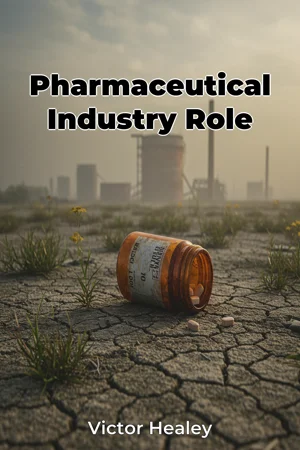
Are we losing the war against bacteria, and could the pharmaceutical industry be unintentionally fueling the enemy? This book, "Pharmaceutical Industry Role," examines the complex and often-overlooked influence of drug companies on the global crisis of antibiotic resistance. It explores the interconnected roles that business practices, public health policies, and scientific innovation play in the escalating problem. The book dives deep into three critical areas. First, it analyzes the economic incentives that disincentivize antibiotic development and promote the marketing of existing drugs, even when they are not the optimal choice. Second, it investigates the impact of pharmaceutical manufacturing practices on the spread of antibiotic-resistant bacteria in the environment. Third, it assesses the role of pharmaceutical companies in shaping public health policies and guidelines related to antibiotic use. These topics are significant because they reveal the multifaceted ways in which the pharmaceutical industry, while striving to fulfill its mission of improving health, inadvertently contributes to the rise of drug-resistant infections. This book’s central argument is that the pharmaceutical industry, operating within existing economic and regulatory frameworks, has become a significant, albeit unintentional, driver of antibiotic resistance. We are not suggesting malicious intent; rather, the confluence of market forces, manufacturing processes, and lobbying efforts creates a system conducive to the proliferation of resistant bacteria. Understanding this dynamic is crucial for developing effective strategies to combat this growing threat. The book begins by laying the groundwork, defining antibiotic resistance and outlining its public health implications. It traces the history of antibiotic discovery and overuse, highlighting the emergence of resistant strains. From there, the narrative moves into an examination of the pharmaceutical industry's role. We will delve into the economics of antibiotic development, showing why companies often prioritize drugs for chronic conditions over new antibiotics. We will analyze manufacturing processes and their impact on environmental contamination, presenting data on antibiotic levels in wastewater and soil near production facilities. This research will include analysis of publicly available data such as reports from the FDA, EPA, and WHO, coupled with investigations detailed in scientific publications and environmental advocacy group reports. The book will culminate with an exploration of potential solutions, including policy recommendations, incentives for antibiotic development, and strategies for responsible manufacturing and marketing practices. The book connects the fields of business, public health, and environmental science. The influence of business strategies on public health outcomes, the intersection of environmental contamination and drug manufacturing, and the ways in which scientific research informs policy decisions will be examined. This interdisciplinary approach is crucial because antibiotic resistance is not solely a medical or scientific problem; it is a complex issue shaped by economic, social, and environmental factors. This book offers a unique perspective by connecting the macro-level forces driving the pharmaceutical industry with the micro-level consequences of antibiotic resistance. It moves beyond blaming individual actors to examining the systemic factors that contribute to the problem. Written in a clear and accessible style, "Pharmaceutical Industry Role" avoids jargon and technical language, making it accessible to a broad audience. It is aimed at public health professionals, policymakers, business students, health journalists, and anyone interested in the future of antibiotic therapy. It is also relevant to those in the pharmaceutical sector keen to understand the broader impact of their industry. The scope of the book is limited to the examination of the pharmaceutical industry’s role. It does not delve into other factors contributing to antibiotic resistance, such as agricultural practices or individual patient behavior, except where they directly relate to the industry’s influence. The information in this book can be applied practically by readers interested in advocating for policy changes, investing in companies with responsible manufacturing practices, or making informed decisions about antibiotic use. Understanding the industry’s role is vital for creating a sustainable future for antibiotic therapy and minimizing the threat of drug-resistant infections. The book will also address the controversies surrounding intellectual property rights and generic drug manufacturing, providing a balanced view of the debates within the industry and among public health advocates.
Are we losing the war against bacteria, and could the pharmaceutical industry be unintentionally fueling the enemy? This book, "Pharmaceutical Industry Role," examines the complex and often-overlooked influence of drug companies on the global crisis of antibiotic resistance. It explores the interconnected roles that business practices, public health policies, and scientific innovation play in the escalating problem. The book dives deep into three critical areas. First, it analyzes the economic incentives that disincentivize antibiotic development and promote the marketing of existing drugs, even when they are not the optimal choice. Second, it investigates the impact of pharmaceutical manufacturing practices on the spread of antibiotic-resistant bacteria in the environment. Third, it assesses the role of pharmaceutical companies in shaping public health policies and guidelines related to antibiotic use. These topics are significant because they reveal the multifaceted ways in which the pharmaceutical industry, while striving to fulfill its mission of improving health, inadvertently contributes to the rise of drug-resistant infections. This book’s central argument is that the pharmaceutical industry, operating within existing economic and regulatory frameworks, has become a significant, albeit unintentional, driver of antibiotic resistance. We are not suggesting malicious intent; rather, the confluence of market forces, manufacturing processes, and lobbying efforts creates a system conducive to the proliferation of resistant bacteria. Understanding this dynamic is crucial for developing effective strategies to combat this growing threat. The book begins by laying the groundwork, defining antibiotic resistance and outlining its public health implications. It traces the history of antibiotic discovery and overuse, highlighting the emergence of resistant strains. From there, the narrative moves into an examination of the pharmaceutical industry's role. We will delve into the economics of antibiotic development, showing why companies often prioritize drugs for chronic conditions over new antibiotics. We will analyze manufacturing processes and their impact on environmental contamination, presenting data on antibiotic levels in wastewater and soil near production facilities. This research will include analysis of publicly available data such as reports from the FDA, EPA, and WHO, coupled with investigations detailed in scientific publications and environmental advocacy group reports. The book will culminate with an exploration of potential solutions, including policy recommendations, incentives for antibiotic development, and strategies for responsible manufacturing and marketing practices. The book connects the fields of business, public health, and environmental science. The influence of business strategies on public health outcomes, the intersection of environmental contamination and drug manufacturing, and the ways in which scientific research informs policy decisions will be examined. This interdisciplinary approach is crucial because antibiotic resistance is not solely a medical or scientific problem; it is a complex issue shaped by economic, social, and environmental factors. This book offers a unique perspective by connecting the macro-level forces driving the pharmaceutical industry with the micro-level consequences of antibiotic resistance. It moves beyond blaming individual actors to examining the systemic factors that contribute to the problem. Written in a clear and accessible style, "Pharmaceutical Industry Role" avoids jargon and technical language, making it accessible to a broad audience. It is aimed at public health professionals, policymakers, business students, health journalists, and anyone interested in the future of antibiotic therapy. It is also relevant to those in the pharmaceutical sector keen to understand the broader impact of their industry. The scope of the book is limited to the examination of the pharmaceutical industry’s role. It does not delve into other factors contributing to antibiotic resistance, such as agricultural practices or individual patient behavior, except where they directly relate to the industry’s influence. The information in this book can be applied practically by readers interested in advocating for policy changes, investing in companies with responsible manufacturing practices, or making informed decisions about antibiotic use. Understanding the industry’s role is vital for creating a sustainable future for antibiotic therapy and minimizing the threat of drug-resistant infections. The book will also address the controversies surrounding intellectual property rights and generic drug manufacturing, providing a balanced view of the debates within the industry and among public health advocates.
"Pharmaceutical Industry Role" tackles the complex issue of antibiotic resistance, examining the pharmaceutical industry's often-overlooked influence. It highlights how economic incentives can disincentivize new antibiotic development, leading companies to prioritize other drugs. The book also investigates how pharmaceutical manufacturing practices contribute to environmental contamination and, subsequently, the spread of drug-resistant bacteria, demonstrating the intersection of business practices and public health. This book uniquely connects macro-level industry forces with the micro-level consequences of antibiotic resistance, moving beyond individual blame to analyze systemic factors. It begins by defining antibiotic resistance and its implications, then explores the industry's role, including the economics of antibiotic development and the impact of manufacturing processes. Analysis of wastewater antibiotic levels near manufacturing plants is included. The book progresses to explore potential solutions, such as policy recommendations and incentives for responsible practices. By combining business, public health, and environmental science perspectives, "Pharmaceutical Industry Role" provides a comprehensive understanding of this critical issue, making it valuable for policymakers, public health professionals, and anyone interested in the future of antibiotic therapy.
Book Details
ISBN
9788235202727
Publisher
Publifye AS
Your Licenses
You don't own any licenses for this book
Purchase a license below to unlock this book and download the EPUB.
Purchase License
Select a tier to unlock this book
Need bulk licensing?
Contact us for enterprise agreements.