
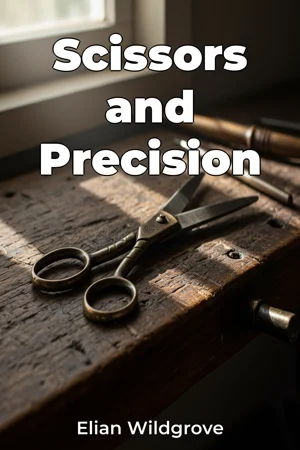
About This Book
Have you ever considered the journey of a tool so ubiquitous, yet so often overlooked, as the humble pair of scissors? "Scissors and Precision" embarks on a comprehensive exploration of this deceptively simple instrument, tracing its evolution from rudimentary beginnings to its current status as a marvel of modern engineering. This book examines how scissors, beyond their basic functionality, have consistently reflected and influenced technological advancements and societal needs. We will investigate the historical development, the material science, and the engineering innovations which have shaped scissors throughout the ages. Understanding this evolution reveals deep insights into the interwoven relationship between human ingenuity and everyday tools. This study delves into three main topics: the chronological development of scissors, the science of materials used in their construction, and the engineering principles which dictate their effectiveness. The historical aspect underscores the continuous refinement of the tool to meet evolving demands, from ancient metalworking to modern surgical applications. The examination of materials science showcases how advancements in metallurgy, plastics, and composite materials have enhanced durability, precision, and specialized functionality. Finally, the evaluation of engineering principles highlights the subtle but important design elements that separate rudimentary cutting tools from high-precision instruments, considering factors such as blade geometry, pivot mechanisms, and ergonomic design. To fully appreciate this journey, the reader will benefit from a basic understanding of historical timelines, fundamental materials science concepts (such as hardness and tensile strength), and an elementary grasp of mechanical engineering (levers, forces). However, the book is structured to provide accessible explanations of these concepts as they become relevant, ensuring the content is approachable for a broad audience. The central argument of "Scissors and Precision" is that the development of scissors parallels and often precipitates broader technological and societal changes. By examining this seemingly simple tool, we gain a unique perspective on the history of human innovation and the relentless pursuit of improved functionality. The book unfolds in a structured manner. Following an introduction to the earliest known cutting tools and their precursors to the modern scissor form, we will examine the evolution of scissors through different historical periods and cultures, detailing innovations in design, materials, and manufacturing techniques. This will be followed by a detailed analysis of the materials used in scissor construction, from bronze and iron to high-carbon steel and advanced alloys, explaining how material properties affect performance and longevity. A significant portion focuses on the engineering intricacies of scissor design, exploring the mechanics of cutting, the impact of blade angle and sharpness, and the ergonomics of handle design. Finally, the book culminates in an exploration of the cutting-edge advancements in scissor technology, highlighting applications in specialized fields such as surgery, aerospace, and precision manufacturing, and speculating on future innovations. The arguments presented are supported by a range of evidence, including archaeological findings, historical texts, patents, scientific studies on material properties, and engineering analyses of scissor designs. The book draws on a diverse range of sources, from museum collections of ancient artifacts to laboratory reports on the performance of modern scissor blades. The book's interdisciplinary nature connects it to fields such as archaeology (understanding early tool use), materials science (analyzing the properties of different materials), and ergonomics (designing for human comfort and efficiency). These connections enrich the understanding of scissor development by providing diverse perspectives on its evolution. “Scissors and Precision” takes a unique approach by focusing on a single, seemingly mundane object to illuminate broader historical and technological trends. This singular focus allows for an in-depth analysis that would be impossible with a more general overview of tool development. Written in a clear and accessible style, "Scissors and Precision" aims to be both informative and engaging. Technical concepts are explained in straightforward language, and historical anecdotes are used to bring the story of scissors to life. The target audience includes history enthusiasts, technology buffs, engineering students, and anyone with an interest in the evolution of everyday objects. This study would be valuable for those interested in the history of technology, those studying engineering or materials science, and anyone curious about the objects that shape our daily lives. As a work of non-fiction, this book adheres to the conventions of meticulous research, accurate reporting, and clear attribution of sources. It strives to provide a balanced and objective account of scissor development, avoiding speculation or unsubstantiated claims. The scope of the book is intentionally broad, covering the entire history of scissors from their earliest origins to modern applications. However, it does not delve into highly specific niches, such as the scissor-making industry of a particular region, to maintain focus on the overarching themes. The knowledge gained from "Scissors and Precision" can be applied in various real-world contexts, from understanding the properties of different materials to appreciating the importance of ergonomic design. It can also inform decisions about the selection and use of scissors for specific tasks, ensuring optimal performance and longevity. While the basic function of scissors – to cut – remains constant, debates exist regarding the optimal design for specific applications. This book addresses such debates by presenting different perspectives and evidence-based analyses of various design choices.
Have you ever considered the journey of a tool so ubiquitous, yet so often overlooked, as the humble pair of scissors? "Scissors and Precision" embarks on a comprehensive exploration of this deceptively simple instrument, tracing its evolution from rudimentary beginnings to its current status as a marvel of modern engineering. This book examines how scissors, beyond their basic functionality, have consistently reflected and influenced technological advancements and societal needs. We will investigate the historical development, the material science, and the engineering innovations which have shaped scissors throughout the ages. Understanding this evolution reveals deep insights into the interwoven relationship between human ingenuity and everyday tools. This study delves into three main topics: the chronological development of scissors, the science of materials used in their construction, and the engineering principles which dictate their effectiveness. The historical aspect underscores the continuous refinement of the tool to meet evolving demands, from ancient metalworking to modern surgical applications. The examination of materials science showcases how advancements in metallurgy, plastics, and composite materials have enhanced durability, precision, and specialized functionality. Finally, the evaluation of engineering principles highlights the subtle but important design elements that separate rudimentary cutting tools from high-precision instruments, considering factors such as blade geometry, pivot mechanisms, and ergonomic design. To fully appreciate this journey, the reader will benefit from a basic understanding of historical timelines, fundamental materials science concepts (such as hardness and tensile strength), and an elementary grasp of mechanical engineering (levers, forces). However, the book is structured to provide accessible explanations of these concepts as they become relevant, ensuring the content is approachable for a broad audience. The central argument of "Scissors and Precision" is that the development of scissors parallels and often precipitates broader technological and societal changes. By examining this seemingly simple tool, we gain a unique perspective on the history of human innovation and the relentless pursuit of improved functionality. The book unfolds in a structured manner. Following an introduction to the earliest known cutting tools and their precursors to the modern scissor form, we will examine the evolution of scissors through different historical periods and cultures, detailing innovations in design, materials, and manufacturing techniques. This will be followed by a detailed analysis of the materials used in scissor construction, from bronze and iron to high-carbon steel and advanced alloys, explaining how material properties affect performance and longevity. A significant portion focuses on the engineering intricacies of scissor design, exploring the mechanics of cutting, the impact of blade angle and sharpness, and the ergonomics of handle design. Finally, the book culminates in an exploration of the cutting-edge advancements in scissor technology, highlighting applications in specialized fields such as surgery, aerospace, and precision manufacturing, and speculating on future innovations. The arguments presented are supported by a range of evidence, including archaeological findings, historical texts, patents, scientific studies on material properties, and engineering analyses of scissor designs. The book draws on a diverse range of sources, from museum collections of ancient artifacts to laboratory reports on the performance of modern scissor blades. The book's interdisciplinary nature connects it to fields such as archaeology (understanding early tool use), materials science (analyzing the properties of different materials), and ergonomics (designing for human comfort and efficiency). These connections enrich the understanding of scissor development by providing diverse perspectives on its evolution. “Scissors and Precision” takes a unique approach by focusing on a single, seemingly mundane object to illuminate broader historical and technological trends. This singular focus allows for an in-depth analysis that would be impossible with a more general overview of tool development. Written in a clear and accessible style, "Scissors and Precision" aims to be both informative and engaging. Technical concepts are explained in straightforward language, and historical anecdotes are used to bring the story of scissors to life. The target audience includes history enthusiasts, technology buffs, engineering students, and anyone with an interest in the evolution of everyday objects. This study would be valuable for those interested in the history of technology, those studying engineering or materials science, and anyone curious about the objects that shape our daily lives. As a work of non-fiction, this book adheres to the conventions of meticulous research, accurate reporting, and clear attribution of sources. It strives to provide a balanced and objective account of scissor development, avoiding speculation or unsubstantiated claims. The scope of the book is intentionally broad, covering the entire history of scissors from their earliest origins to modern applications. However, it does not delve into highly specific niches, such as the scissor-making industry of a particular region, to maintain focus on the overarching themes. The knowledge gained from "Scissors and Precision" can be applied in various real-world contexts, from understanding the properties of different materials to appreciating the importance of ergonomic design. It can also inform decisions about the selection and use of scissors for specific tasks, ensuring optimal performance and longevity. While the basic function of scissors – to cut – remains constant, debates exist regarding the optimal design for specific applications. This book addresses such debates by presenting different perspectives and evidence-based analyses of various design choices.
"Scissors and Precision" explores the surprisingly rich history of scissors, revealing how this seemingly simple tool reflects broader trends in technology and human innovation. The book traces the evolution of cutting tools from rudimentary beginnings to high-precision instruments, detailing innovations in engineering design, materials science, and ergonomics. Early scissor-like devices weren't always pivoted; some were spring-operated shears. The book uniquely illuminates history through the lens of a common object. The book examines scissors' journey across historical periods and cultures, analyzing materials used in their construction, like bronze, iron, and advanced alloys, and explaining how properties affect performance. Blade geometry and pivot mechanisms are explored, highlighting the engineering intricacies. Progressing through chapters, the study moves from ancient metalworking to modern surgical applications, showing how scissor technology adapts to meet evolving societal needs.
Book Details
ISBN
9788235202673
Publisher
Publifye AS
Your Licenses
You don't own any licenses for this book
Purchase a license below to unlock this book and download the EPUB.
Purchase License
Select a tier to unlock this book
Need bulk licensing?
Contact us for enterprise agreements.