
About This Book
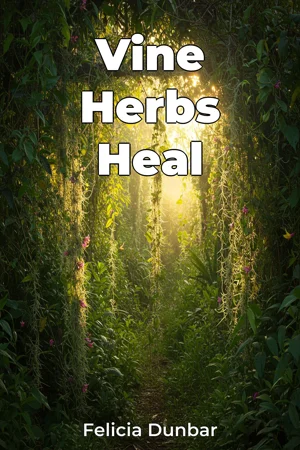
Can ancient healing traditions and modern medicine coexist to improve healthcare outcomes for remote populations? "Vine Herbs Heal" explores this intersection, focusing on the Yanomami people of the Amazon and their sophisticated understanding of medicinal plants, specifically how their traditional "mixing plants" sites can be integrated with clinic-based care. This book delves into the vital relationship between traditional ecological knowledge, accessible healthcare, and the preservation of cultural practices. The book addresses two key areas: the ethnobotanical knowledge of the Yanomami regarding medicinal plants and the potential for integrating this knowledge into existing healthcare systems. Secondly, it examines the challenges and opportunities of bridging indigenous healing practices with conventional Western medicine within a clinic setting. These topics are significant because they address the critical need for culturally sensitive healthcare solutions in underserved indigenous communities, while also contributing to the growing recognition of the value of traditional medicine globally. For centuries, the Yanomami have relied on their deep understanding of the rainforest's flora to treat illnesses and maintain health. Their "mixing plants" areas, carefully cultivated gardens within the forest, serve as both pharmacies and living laboratories. Understanding requires insight into the social structures, belief systems, and environmental context within which the Yanomami practices exist. "Vine Herbs Heal" argues that integrating Yanomami ethnobotanical knowledge with clinic-based care can create a more effective and culturally appropriate healthcare system. This approach not only respects indigenous traditions but also potentially unlocks new sources of medicinal compounds and treatment strategies. The book also highlights that sustainable partnerships grounded in mutual respect are essential for the success of such integration. The book unfolds in three major parts. First, it provides a detailed introduction to Yanomami culture, their traditional healing practices, and the concept of "mixing plants." This section establishes the context for understanding the significance of their ethnobotanical knowledge. The second part presents findings from fieldwork and interviews conducted with Yanomami healers and community members, documenting specific medicinal plants, preparation methods, and their uses. It also examines the infrastructure of existing clinics. The third part explores the possibilities and challenges of integrating these two systems, including practical considerations, ethical concerns, and potential benefits. The book concludes with a call to action, advocating for collaborative approaches to healthcare that recognize the value of both indigenous and Western medical knowledge. The book draws upon a combination of ethnographic research, botanical surveys, and interviews with both Yanomami healers and medical professionals working in the region. Unique data sources include plant specimens collected from "mixing plants" sites, analyzed for their chemical properties, and translated medical records from local clinics. The interviews provide a rich tapestry of perspectives, capturing both the traditional knowledge of the Yanomami and the practical realities of delivering healthcare in a remote setting. "Vine Herbs Heal" connects to the fields of ethnobotany, medical anthropology, and public health. Ethnobotany provides the scientific framework for understanding the properties and uses of medicinal plants; medical anthropology examines the cultural context of health and illness; and public health offers insights into the design and implementation of effective healthcare programs. These connections strengthen the book's argument by providing a multidisciplinary perspective on the challenges and opportunities of intercultural healthcare. The book's approach is unique in its emphasis on collaborative knowledge production. Rather than simply documenting Yanomami knowledge, it aims to create a dialogue between traditional healers and Western-trained medical professionals, fostering mutual learning and respect. This approach challenges the traditional power dynamics in healthcare and promotes a more equitable distribution of knowledge and resources. The tone is informative and respectful, striving to present Yanomami knowledge with accuracy and sensitivity. The writing style is accessible to a broad audience, avoiding technical jargon and prioritizing clear communication. The target audience includes healthcare professionals, ethnobotanists, anthropologists, policymakers, and anyone interested in indigenous health, traditional medicine, and intercultural collaboration. This book is valuable to them because it offers a practical framework for integrating indigenous knowledge into healthcare systems, while also promoting a deeper understanding of the cultural context of health and illness. As a work of non-fiction in the medical general and nature genres, the book will include elements such as case studies, data analysis, and scientific illustrations. The scope of the book is limited to the Yanomami people and their healthcare practices. It does not attempt to provide a comprehensive overview of all indigenous medical systems. The information in "Vine Herbs Heal" can be applied practically by healthcare providers working in indigenous communities, by policymakers designing culturally sensitive healthcare programs, and by researchers interested in exploring the potential of traditional medicine. The book acknowledges the ongoing debates regarding intellectual property rights and the commercialization of indigenous knowledge, advocating for ethical and equitable partnerships that protect the rights of indigenous communities.
Can ancient healing traditions and modern medicine coexist to improve healthcare outcomes for remote populations? "Vine Herbs Heal" explores this intersection, focusing on the Yanomami people of the Amazon and their sophisticated understanding of medicinal plants, specifically how their traditional "mixing plants" sites can be integrated with clinic-based care. This book delves into the vital relationship between traditional ecological knowledge, accessible healthcare, and the preservation of cultural practices. The book addresses two key areas: the ethnobotanical knowledge of the Yanomami regarding medicinal plants and the potential for integrating this knowledge into existing healthcare systems. Secondly, it examines the challenges and opportunities of bridging indigenous healing practices with conventional Western medicine within a clinic setting. These topics are significant because they address the critical need for culturally sensitive healthcare solutions in underserved indigenous communities, while also contributing to the growing recognition of the value of traditional medicine globally. For centuries, the Yanomami have relied on their deep understanding of the rainforest's flora to treat illnesses and maintain health. Their "mixing plants" areas, carefully cultivated gardens within the forest, serve as both pharmacies and living laboratories. Understanding requires insight into the social structures, belief systems, and environmental context within which the Yanomami practices exist. "Vine Herbs Heal" argues that integrating Yanomami ethnobotanical knowledge with clinic-based care can create a more effective and culturally appropriate healthcare system. This approach not only respects indigenous traditions but also potentially unlocks new sources of medicinal compounds and treatment strategies. The book also highlights that sustainable partnerships grounded in mutual respect are essential for the success of such integration. The book unfolds in three major parts. First, it provides a detailed introduction to Yanomami culture, their traditional healing practices, and the concept of "mixing plants." This section establishes the context for understanding the significance of their ethnobotanical knowledge. The second part presents findings from fieldwork and interviews conducted with Yanomami healers and community members, documenting specific medicinal plants, preparation methods, and their uses. It also examines the infrastructure of existing clinics. The third part explores the possibilities and challenges of integrating these two systems, including practical considerations, ethical concerns, and potential benefits. The book concludes with a call to action, advocating for collaborative approaches to healthcare that recognize the value of both indigenous and Western medical knowledge. The book draws upon a combination of ethnographic research, botanical surveys, and interviews with both Yanomami healers and medical professionals working in the region. Unique data sources include plant specimens collected from "mixing plants" sites, analyzed for their chemical properties, and translated medical records from local clinics. The interviews provide a rich tapestry of perspectives, capturing both the traditional knowledge of the Yanomami and the practical realities of delivering healthcare in a remote setting. "Vine Herbs Heal" connects to the fields of ethnobotany, medical anthropology, and public health. Ethnobotany provides the scientific framework for understanding the properties and uses of medicinal plants; medical anthropology examines the cultural context of health and illness; and public health offers insights into the design and implementation of effective healthcare programs. These connections strengthen the book's argument by providing a multidisciplinary perspective on the challenges and opportunities of intercultural healthcare. The book's approach is unique in its emphasis on collaborative knowledge production. Rather than simply documenting Yanomami knowledge, it aims to create a dialogue between traditional healers and Western-trained medical professionals, fostering mutual learning and respect. This approach challenges the traditional power dynamics in healthcare and promotes a more equitable distribution of knowledge and resources. The tone is informative and respectful, striving to present Yanomami knowledge with accuracy and sensitivity. The writing style is accessible to a broad audience, avoiding technical jargon and prioritizing clear communication. The target audience includes healthcare professionals, ethnobotanists, anthropologists, policymakers, and anyone interested in indigenous health, traditional medicine, and intercultural collaboration. This book is valuable to them because it offers a practical framework for integrating indigenous knowledge into healthcare systems, while also promoting a deeper understanding of the cultural context of health and illness. As a work of non-fiction in the medical general and nature genres, the book will include elements such as case studies, data analysis, and scientific illustrations. The scope of the book is limited to the Yanomami people and their healthcare practices. It does not attempt to provide a comprehensive overview of all indigenous medical systems. The information in "Vine Herbs Heal" can be applied practically by healthcare providers working in indigenous communities, by policymakers designing culturally sensitive healthcare programs, and by researchers interested in exploring the potential of traditional medicine. The book acknowledges the ongoing debates regarding intellectual property rights and the commercialization of indigenous knowledge, advocating for ethical and equitable partnerships that protect the rights of indigenous communities.
"Vine Herbs Heal" explores the potential of integrating traditional Yanomami ethnobotanical knowledge with modern, clinic-based healthcare in the Amazon. The book delves into the Yanomami's sophisticated understanding of medicinal plants and their cultivation in "mixing plants" sites, highlighting how these traditional practices can complement and enhance conventional Western medicine, which could lead to more effective and culturally sensitive healthcare solutions for remote populations. It addresses the critical need for culturally sensitive healthcare solutions in underserved indigenous communities, while also contributing to the growing recognition of the value of traditional medicine globally. The book progresses by first introducing Yanomami culture and their healing practices, followed by presenting fieldwork findings and interviews that document specific medicinal plants and their uses. Finally, it explores the possibilities and challenges of integrating these two systems. It emphasizes collaborative knowledge production, aiming to foster mutual learning and respect between traditional healers and Western-trained medical professionals. By advocating for sustainable partnerships grounded in mutual respect, "Vine Herbs Heal" offers a valuable framework for healthcare integration and intercultural healthcare.
Book Details
ISBN
9788235202635
Publisher
Publifye AS
Your Licenses
You don't own any licenses for this book
Purchase a license below to unlock this book and download the EPUB.
Purchase License
Select a tier to unlock this book
Need bulk licensing?
Contact us for enterprise agreements.