
About This Book
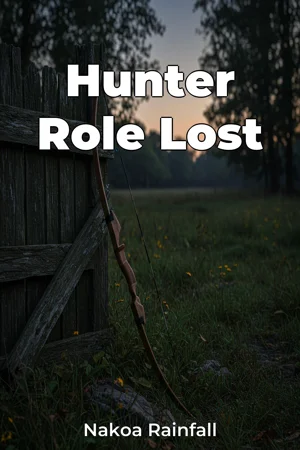
What happens to a man when his ancestral role vanishes? "Hunter Role Lost" explores the profound effects of post-industrialization on male identity, specifically focusing on the decline of hunting as a central element of masculine experience and its subsequent social and psychological consequences. This book delves into how the shift from an agrarian and hunter-gatherer society to a technologically driven, service-based economy has disrupted traditional male roles, leaving many men adrift in a world that no longer values their primal skills and instincts. We will examine two core intertwined topics. First, the book meticulously charts the historical trajectory of hunting, tracking its evolution from a necessary survival skill to a recreational activity, and finally its diminished presence in contemporary Western societies. Second, it looks at the repercussions of this decline on male identity, mental health, and social structures, examining how the loss of the hunter archetype contributes to feelings of purposelessness and disconnection among men. To understand the depth of this transformation, we will explore a range of historical and social contexts, beginning with pre-industrial societies where hunting was integral to both subsistence and male initiation rituals. The book will then analyze the impact of the Industrial Revolution, urbanization, and the rise of consumer culture, which collectively undermined the economic and social importance of hunting. We expect the reader to understand basic sociological and economic concepts. The central argument posited in "Hunter Role Lost" is that the decline of hunting represents a symbolic castration of male identity, leading to a crisis of masculinity as men struggle to find alternative avenues for expressing their innate drives and proving their worth. This crisis manifests not only in individual psychological distress but also in broader social phenomena, such as increased rates of male suicide, substance abuse, and disengagement from traditional family roles. Understanding the root of this crisis is crucial for developing effective strategies to support men’s well-being in the modern world. The book is structured into three primary sections. The first section introduces the core concepts, defining the historical role of hunting, examining its psychological significance for men, and detailing the economic forces that led to its decline. The second section is divided into chapters that explore specific aspects of this decline, including the impact of urbanization, the rise of office work, and the increasing dominance of female roles in the modern economy. Finally, the third section focuses on the consequences of this role loss, analyzing the social and psychological effects on men, exploring potential solutions for addressing the crisis of masculinity, and looking specifically at how some men are re-interpreting the hunter role. The evidence presented will be drawn from a variety of sources, including historical records, sociological studies, psychological research, and personal narratives. The authors will analyze statistical data on hunting participation rates, male suicide rates, and other relevant social indicators. Unique data sources will include interviews and surveys with men of different ages and backgrounds, providing firsthand accounts of their experiences and perspectives. "Hunter Role Lost" crosses several other fields. It intersects with environmental studies by looking at the ecological impact of hunting and the evolving relationship between humans and nature. It connects with psychology through its exploration of male identity, mental health, and the psychological effects of societal change. It also connects with gender studies via its critical examination of traditional masculinity and its transformation in the post-industrial era. This book takes a unique perspective by framing the decline of hunting not merely as a shift in economic activity but as a fundamental disruption of male identity. It challenges conventional narratives of progress by highlighting the unintended consequences of industrialization and globalization on men's psychological well-being. The tone and writing style will be academic yet accessible, aiming to engage both scholars and general readers. While grounded in rigorous research and analysis, the book will also incorporate personal stories and anecdotes to make the subject matter relatable and emotionally resonant. The target audience includes scholars of history, sociology, psychology, and gender studies, as well as general readers interested in understanding the challenges facing men in the modern world. It will be valuable to anyone seeking insights into the complexities of male identity, the impact of societal change, and the search for purpose in a rapidly evolving world. As a work of history and social science, "Hunter Role Lost" adheres to the conventions of these genres by providing well-researched, evidence-based analysis. However, it also goes beyond traditional academic writing by incorporating narrative elements and personal stories to create a more engaging and accessible reading experience. The scope of the book is limited to Western societies, primarily focusing on the United States and Europe. It intentionally does not delve into the nuances of hunting practices and male roles in non-Western cultures, as these would require a separate and equally extensive analysis. The information presented can be applied to inform public policy, improve mental health services for men, and promote more inclusive models of masculinity. By understanding the root causes of male disaffection, we can develop more effective strategies for supporting men's well-being and fostering a more equitable society. "Hunter Role Lost" addresses ongoing debates about the nature of masculinity, the impact of societal change on gender roles, and the best ways to promote male mental health. By presenting a nuanced and evidence-based analysis, the book contributes to a more informed and productive dialogue on these important issues.
What happens to a man when his ancestral role vanishes? "Hunter Role Lost" explores the profound effects of post-industrialization on male identity, specifically focusing on the decline of hunting as a central element of masculine experience and its subsequent social and psychological consequences. This book delves into how the shift from an agrarian and hunter-gatherer society to a technologically driven, service-based economy has disrupted traditional male roles, leaving many men adrift in a world that no longer values their primal skills and instincts. We will examine two core intertwined topics. First, the book meticulously charts the historical trajectory of hunting, tracking its evolution from a necessary survival skill to a recreational activity, and finally its diminished presence in contemporary Western societies. Second, it looks at the repercussions of this decline on male identity, mental health, and social structures, examining how the loss of the hunter archetype contributes to feelings of purposelessness and disconnection among men. To understand the depth of this transformation, we will explore a range of historical and social contexts, beginning with pre-industrial societies where hunting was integral to both subsistence and male initiation rituals. The book will then analyze the impact of the Industrial Revolution, urbanization, and the rise of consumer culture, which collectively undermined the economic and social importance of hunting. We expect the reader to understand basic sociological and economic concepts. The central argument posited in "Hunter Role Lost" is that the decline of hunting represents a symbolic castration of male identity, leading to a crisis of masculinity as men struggle to find alternative avenues for expressing their innate drives and proving their worth. This crisis manifests not only in individual psychological distress but also in broader social phenomena, such as increased rates of male suicide, substance abuse, and disengagement from traditional family roles. Understanding the root of this crisis is crucial for developing effective strategies to support men’s well-being in the modern world. The book is structured into three primary sections. The first section introduces the core concepts, defining the historical role of hunting, examining its psychological significance for men, and detailing the economic forces that led to its decline. The second section is divided into chapters that explore specific aspects of this decline, including the impact of urbanization, the rise of office work, and the increasing dominance of female roles in the modern economy. Finally, the third section focuses on the consequences of this role loss, analyzing the social and psychological effects on men, exploring potential solutions for addressing the crisis of masculinity, and looking specifically at how some men are re-interpreting the hunter role. The evidence presented will be drawn from a variety of sources, including historical records, sociological studies, psychological research, and personal narratives. The authors will analyze statistical data on hunting participation rates, male suicide rates, and other relevant social indicators. Unique data sources will include interviews and surveys with men of different ages and backgrounds, providing firsthand accounts of their experiences and perspectives. "Hunter Role Lost" crosses several other fields. It intersects with environmental studies by looking at the ecological impact of hunting and the evolving relationship between humans and nature. It connects with psychology through its exploration of male identity, mental health, and the psychological effects of societal change. It also connects with gender studies via its critical examination of traditional masculinity and its transformation in the post-industrial era. This book takes a unique perspective by framing the decline of hunting not merely as a shift in economic activity but as a fundamental disruption of male identity. It challenges conventional narratives of progress by highlighting the unintended consequences of industrialization and globalization on men's psychological well-being. The tone and writing style will be academic yet accessible, aiming to engage both scholars and general readers. While grounded in rigorous research and analysis, the book will also incorporate personal stories and anecdotes to make the subject matter relatable and emotionally resonant. The target audience includes scholars of history, sociology, psychology, and gender studies, as well as general readers interested in understanding the challenges facing men in the modern world. It will be valuable to anyone seeking insights into the complexities of male identity, the impact of societal change, and the search for purpose in a rapidly evolving world. As a work of history and social science, "Hunter Role Lost" adheres to the conventions of these genres by providing well-researched, evidence-based analysis. However, it also goes beyond traditional academic writing by incorporating narrative elements and personal stories to create a more engaging and accessible reading experience. The scope of the book is limited to Western societies, primarily focusing on the United States and Europe. It intentionally does not delve into the nuances of hunting practices and male roles in non-Western cultures, as these would require a separate and equally extensive analysis. The information presented can be applied to inform public policy, improve mental health services for men, and promote more inclusive models of masculinity. By understanding the root causes of male disaffection, we can develop more effective strategies for supporting men's well-being and fostering a more equitable society. "Hunter Role Lost" addresses ongoing debates about the nature of masculinity, the impact of societal change on gender roles, and the best ways to promote male mental health. By presenting a nuanced and evidence-based analysis, the book contributes to a more informed and productive dialogue on these important issues.
"Hunter Role Lost" examines the decline of hunting in Western societies and its impact on male identity in the post-industrial era. The book argues that the shift away from traditional, agrarian lifestyles towards service-based economies has disrupted men's roles, leading to feelings of purposelessness. Intriguingly, the historical trajectory reveals hunting evolved from a survival skill to a recreational activity, eventually diminishing in contemporary society. This transformation has contributed to a crisis of masculinity, affecting men's mental health and social structures. The book presents its analysis across three sections. The first part defines the historical role of hunting, its psychological significance, and the economic forces contributing to its decline. The second section explores the impact of urbanization and the rise of office work. Finally, the third section analyzes the social and psychological effects on men, looking at potential solutions and reinterpretations of the hunter archetype. This approach offers a unique perspective by framing the decline of hunting as a fundamental disruption of male identity, challenging conventional narratives of progress and highlighting the unintended consequences of industrialization. The book synthesizes historical records, sociological studies, psychological research, and personal narratives to explore social change and its effects. "Hunter Role Lost" connects with gender studies by examining traditional masculinity and its transformation. Ultimately, the book aims to contribute to a more informed dialogue on the nature of masculinity, the impact of societal change on gender roles, and ways to promote men's mental health.
Book Details
ISBN
9788235202529
Publisher
Publifye AS
Your Licenses
You don't own any licenses for this book
Purchase a license below to unlock this book and download the EPUB.
Purchase License
Select a tier to unlock this book
Need bulk licensing?
Contact us for enterprise agreements.