
About This Book
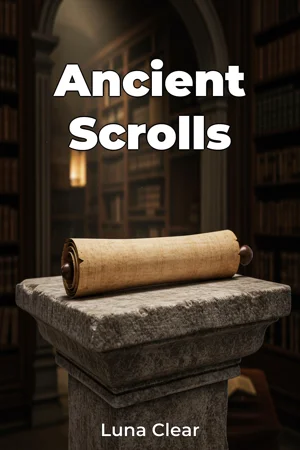
Can fragile, ancient texts truly hold the key to understanding our present? "Ancient Scrolls" delves into the profound role these manuscripts have played, and continue to play, in preserving history, shaping religious thought, and transmitting knowledge across millennia. This book will explore the creation, preservation, and interpretation of ancient scrolls, revealing how they offer unparalleled insights into past civilizations. This book will focus on three core areas. First, the material creation of scrolls themselves: papyrus production, parchment preparation, and the inks and writing implements utilized. This exploration explains how ancient scribes physically created these lasting documents. Second, the intellectual and cultural contexts in which these scrolls were produced and used, covering topics like literacy rates in ancient societies, the role of libraries and scriptoria, and the patronage systems that supported scholarly endeavors. Third, the transmission and interpretation of these scrolls through history, including the work of translators, historians, and religious scholars who have dedicated their lives to deciphering and contextualizing these invaluable records. Understanding the world that produced these scrolls necessitates a journey through ancient societies, from the libraries of Alexandria to the monastic scriptoria of medieval Europe. It requires familiarity with ancient languages, paleography, and the historical circumstances surrounding each scroll's creation. This book aims to provide that contextual background to the reader. The central argument of "Ancient Scrolls" is that ancient manuscripts are not merely relics of the past, but act as vital conduits connecting us to the intellectual, spiritual, and political landscapes of former civilizations. Understanding these scrolls is crucial for a nuanced comprehension of history, religious evolution, and the development of human knowledge. The book is structured as follows: Part one introduces the physical nature of scrolls, their creation, and the environments in which they were produced and stored. Part two moves into specific examples, examining scrolls from different cultures and time periods. These case studies are the Dead Sea Scrolls, which offer insights into the development of Judaism and early Christianity; the Egyptian papyri, revealing details of daily life, governance, and religious beliefs; and the medieval illuminated manuscripts, showcasing the artistic and theological developments of the era. Part three tackles the modern interpretation of scrolls, dealing with the challenges of translation, preservation, and ethical considerations surrounding the display and study of these artifacts. The conclusion of the book synthesizes these diverse strands, reinforcing the central argument about the enduring significance of ancient scrolls and suggesting avenues for future research. The book draws upon a wide range of sources, including archaeological reports, linguistic analyses, historical accounts, and the scrolls themselves (through photographs and transcriptions). It references primary source material alongside the work of leading scholars in the fields of history, religious studies, and classics. "Ancient Scrolls" crosses conventional disciplinary boundaries. It connects history with religious studies through its examination of sacred texts. It touches upon art history through a section on illuminated manuscripts. It also links to the field of conservation, discussing the challenges and ethics of preserving these fragile artifacts for future generations. What sets this book apart is its holistic approach, combining both material and intellectual analysis. It does not just focus on what the scrolls say, but how they were made, who used them, and how their meanings have evolved over time. Written in a clear, accessible style, "Ancient Scrolls" is designed for anyone interested in history, religion, or the preservation of cultural heritage. While academically informed, the book avoids excessive jargon and aims to engage a broad readership. The target audience includes history buffs, students of religion, library science professionals, and anyone fascinated by the material culture of the ancient world. The book offers valuable information to both casual readers and more scholarly audiences. In line with historical non-fiction, "Ancient Scrolls" prioritizes factual accuracy and evidence-based arguments. It avoids speculative claims and presents a balanced view of the available evidence. The book's scope is broad, covering a range of cultures and time periods, but it is not exhaustive. It concentrates on select examples to illustrate key themes. The book does not delve into every existing ancient manuscript, instead, it focuses on the most significant examples. The information presented in "Ancient Scrolls" has practical applications for those working in museums, libraries, or archives. It also offers valuable insights for anyone interested in understanding the historical roots of contemporary beliefs and practices. The interpretation of ancient texts is not without its controversies. "Ancient Scrolls" addresses some of these debates, such as the challenges of translating ambiguous passages and the ethical considerations surrounding the ownership and display of culturally significant artifacts.
Can fragile, ancient texts truly hold the key to understanding our present? "Ancient Scrolls" delves into the profound role these manuscripts have played, and continue to play, in preserving history, shaping religious thought, and transmitting knowledge across millennia. This book will explore the creation, preservation, and interpretation of ancient scrolls, revealing how they offer unparalleled insights into past civilizations. This book will focus on three core areas. First, the material creation of scrolls themselves: papyrus production, parchment preparation, and the inks and writing implements utilized. This exploration explains how ancient scribes physically created these lasting documents. Second, the intellectual and cultural contexts in which these scrolls were produced and used, covering topics like literacy rates in ancient societies, the role of libraries and scriptoria, and the patronage systems that supported scholarly endeavors. Third, the transmission and interpretation of these scrolls through history, including the work of translators, historians, and religious scholars who have dedicated their lives to deciphering and contextualizing these invaluable records. Understanding the world that produced these scrolls necessitates a journey through ancient societies, from the libraries of Alexandria to the monastic scriptoria of medieval Europe. It requires familiarity with ancient languages, paleography, and the historical circumstances surrounding each scroll's creation. This book aims to provide that contextual background to the reader. The central argument of "Ancient Scrolls" is that ancient manuscripts are not merely relics of the past, but act as vital conduits connecting us to the intellectual, spiritual, and political landscapes of former civilizations. Understanding these scrolls is crucial for a nuanced comprehension of history, religious evolution, and the development of human knowledge. The book is structured as follows: Part one introduces the physical nature of scrolls, their creation, and the environments in which they were produced and stored. Part two moves into specific examples, examining scrolls from different cultures and time periods. These case studies are the Dead Sea Scrolls, which offer insights into the development of Judaism and early Christianity; the Egyptian papyri, revealing details of daily life, governance, and religious beliefs; and the medieval illuminated manuscripts, showcasing the artistic and theological developments of the era. Part three tackles the modern interpretation of scrolls, dealing with the challenges of translation, preservation, and ethical considerations surrounding the display and study of these artifacts. The conclusion of the book synthesizes these diverse strands, reinforcing the central argument about the enduring significance of ancient scrolls and suggesting avenues for future research. The book draws upon a wide range of sources, including archaeological reports, linguistic analyses, historical accounts, and the scrolls themselves (through photographs and transcriptions). It references primary source material alongside the work of leading scholars in the fields of history, religious studies, and classics. "Ancient Scrolls" crosses conventional disciplinary boundaries. It connects history with religious studies through its examination of sacred texts. It touches upon art history through a section on illuminated manuscripts. It also links to the field of conservation, discussing the challenges and ethics of preserving these fragile artifacts for future generations. What sets this book apart is its holistic approach, combining both material and intellectual analysis. It does not just focus on what the scrolls say, but how they were made, who used them, and how their meanings have evolved over time. Written in a clear, accessible style, "Ancient Scrolls" is designed for anyone interested in history, religion, or the preservation of cultural heritage. While academically informed, the book avoids excessive jargon and aims to engage a broad readership. The target audience includes history buffs, students of religion, library science professionals, and anyone fascinated by the material culture of the ancient world. The book offers valuable information to both casual readers and more scholarly audiences. In line with historical non-fiction, "Ancient Scrolls" prioritizes factual accuracy and evidence-based arguments. It avoids speculative claims and presents a balanced view of the available evidence. The book's scope is broad, covering a range of cultures and time periods, but it is not exhaustive. It concentrates on select examples to illustrate key themes. The book does not delve into every existing ancient manuscript, instead, it focuses on the most significant examples. The information presented in "Ancient Scrolls" has practical applications for those working in museums, libraries, or archives. It also offers valuable insights for anyone interested in understanding the historical roots of contemporary beliefs and practices. The interpretation of ancient texts is not without its controversies. "Ancient Scrolls" addresses some of these debates, such as the challenges of translating ambiguous passages and the ethical considerations surrounding the ownership and display of culturally significant artifacts.
"Ancient Scrolls" explores the pivotal role of ancient manuscripts in shaping history, preserving cultural heritage, and influencing religious studies. It examines how these fragile texts act as conduits, connecting us to the intellectual and spiritual worlds of past civilizations. One intriguing aspect discussed is the meticulous creation of these scrolls, from papyrus production to the artistry of illuminated manuscripts, reflecting the dedication of ancient scribes and the patronage systems that supported their work. The book further elucidates the challenges of interpreting these texts, addressing issues like ambiguous translations and ethical considerations surrounding their display. The book journeys through time, examining significant examples, including the Dead Sea Scrolls, which shed light on Judaism and early Christianity, and Egyptian papyri, revealing details of daily life and governance. It also studies medieval illuminated manuscripts, uncovering artistic and theological developments. By blending material analysis with intellectual history, "Ancient Scrolls" uniquely emphasizes not only what the scrolls say but also how they were made and how their meanings have evolved. Structured in three parts, the book begins with the physical nature of scrolls, moves into specific cultural examples, and concludes with modern interpretation and preservation. This comprehensive approach makes the book a valuable resource for anyone interested in history, religion, or the preservation of cultural heritage, offering accessible insights into the ancient world.
Book Details
ISBN
9788235202437
Publisher
Publifye AS
Your Licenses
You don't own any licenses for this book
Purchase a license below to unlock this book and download the EPUB.
Purchase License
Select a tier to unlock this book
Need bulk licensing?
Contact us for enterprise agreements.