
About This Book
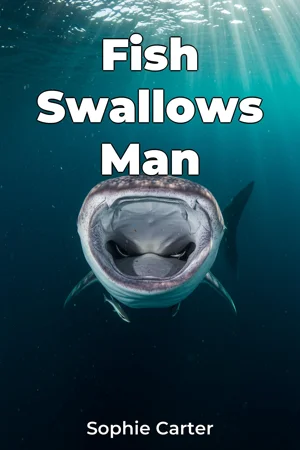
Could a person truly survive being swallowed whole by a fish? "Fish Swallows Man" tackles this age-old question, exploring the confluence of marine biology, biblical narrative, and general biological principles to determine the factual plausibility of the Jonah story. This book delves into the physiological realities of both humans and marine life, providing a comprehensive, scientifically informed analysis of the conditions necessary for such a survival event. The central topics examined are the digestive capabilities of large marine creatures, the human body's ability to withstand prolonged periods without air and nourishment within a hostile environment, and the specific characteristics of fish species capable of swallowing a human whole. These topics are significant because they bridge the gap between religious text and scientific understanding, prompting a re-evaluation of traditional interpretations through a lens of empirical data. The book provides historical context by examining various accounts of human-animal encounters at sea and reviewing the biological understanding of marine life at the time the Book of Jonah was written. It also establishes a foundation of prerequisite knowledge, including basic principles of marine biology, human physiology, and the scientific method. The central argument posits that, while statistically improbable, survival within a fish is not entirely impossible under a very specific set of circumstances. The book argues that a combination of a suitable fish species, a period of unconsciousness or suspended animation in the individual swallowed, and a swift rescue could theoretically lead to survival. The importance of this argument lies in its ability to reconcile faith and reason, offering a nuanced perspective that acknowledges the limitations of current scientific knowledge while respecting the enduring power of religious narratives. "Fish Swallows Man" begins by introducing the historical and religious context of the Jonah story, then moves into a detailed exploration of potential candidate fish species, such as whales, whale sharks, and other large marine animals. It then examines the human body’s tolerance to various stressors, including lack of oxygen, digestive acids, and the overall physical trauma of being swallowed. It also explores potential states of reduced metabolic activity, such as hypothermia, which could prolong survival time. Finally, the book culminates by synthesizing the biological data and presenting possible scenarios for survival, along with their associated probabilities. The evidence presented includes data from marine biology studies on the digestive systems and behaviors of large fish species, medical research on human survival under extreme conditions, and comparative analyses of different interpretations of the Jonah narrative. Unique data sources include detailed anatomical studies of fish capable of swallowing large prey and physiological data from individuals who have survived prolonged periods of oxygen deprivation or exposure to hostile environments. This book connects to several other fields, including theology, history, and environmental science. The theological connection allows for a deeper understanding of the story's meaning and purpose. The historical aspect examines how the Jonah story has been interpreted across cultures and time periods. The environmental science connection explores the current state of the oceans and the impact of human activity on marine life. "Fish Swallows Man" employs a fact-based approach, presenting information in a clear and accessible style, while maintaining scientific rigor. The target audience includes readers interested in science, religion, history, and anyone curious about the intersection of faith and reason. It would be valuable to those seeking a balanced and informed perspective on a classic tale, moving beyond simplistic interpretations to a deeper understanding of the story’s potential biological plausibility. As a work of non-fiction, it seeks to provide accurate, well-researched information, avoiding speculation and bias. The scope of the book is limited to the biological plausibility of survival within a fish, and does not delve into the theological or moral interpretations of the Jonah story beyond their direct relevance to the scientific analysis. The information presented can be applied to broader discussions about the limits of human survival, the adaptability of life in extreme environments, and the importance of scientific literacy in interpreting historical and religious texts. While the possibility of surviving being swallowed by a fish is highly debated, "Fish Swallows Man" addresses these controversies by presenting a balanced view of the available evidence, acknowledging the limitations of current scientific knowledge, and engaging with alternative perspectives in a respectful and open-minded manner.
Could a person truly survive being swallowed whole by a fish? "Fish Swallows Man" tackles this age-old question, exploring the confluence of marine biology, biblical narrative, and general biological principles to determine the factual plausibility of the Jonah story. This book delves into the physiological realities of both humans and marine life, providing a comprehensive, scientifically informed analysis of the conditions necessary for such a survival event. The central topics examined are the digestive capabilities of large marine creatures, the human body's ability to withstand prolonged periods without air and nourishment within a hostile environment, and the specific characteristics of fish species capable of swallowing a human whole. These topics are significant because they bridge the gap between religious text and scientific understanding, prompting a re-evaluation of traditional interpretations through a lens of empirical data. The book provides historical context by examining various accounts of human-animal encounters at sea and reviewing the biological understanding of marine life at the time the Book of Jonah was written. It also establishes a foundation of prerequisite knowledge, including basic principles of marine biology, human physiology, and the scientific method. The central argument posits that, while statistically improbable, survival within a fish is not entirely impossible under a very specific set of circumstances. The book argues that a combination of a suitable fish species, a period of unconsciousness or suspended animation in the individual swallowed, and a swift rescue could theoretically lead to survival. The importance of this argument lies in its ability to reconcile faith and reason, offering a nuanced perspective that acknowledges the limitations of current scientific knowledge while respecting the enduring power of religious narratives. "Fish Swallows Man" begins by introducing the historical and religious context of the Jonah story, then moves into a detailed exploration of potential candidate fish species, such as whales, whale sharks, and other large marine animals. It then examines the human body’s tolerance to various stressors, including lack of oxygen, digestive acids, and the overall physical trauma of being swallowed. It also explores potential states of reduced metabolic activity, such as hypothermia, which could prolong survival time. Finally, the book culminates by synthesizing the biological data and presenting possible scenarios for survival, along with their associated probabilities. The evidence presented includes data from marine biology studies on the digestive systems and behaviors of large fish species, medical research on human survival under extreme conditions, and comparative analyses of different interpretations of the Jonah narrative. Unique data sources include detailed anatomical studies of fish capable of swallowing large prey and physiological data from individuals who have survived prolonged periods of oxygen deprivation or exposure to hostile environments. This book connects to several other fields, including theology, history, and environmental science. The theological connection allows for a deeper understanding of the story's meaning and purpose. The historical aspect examines how the Jonah story has been interpreted across cultures and time periods. The environmental science connection explores the current state of the oceans and the impact of human activity on marine life. "Fish Swallows Man" employs a fact-based approach, presenting information in a clear and accessible style, while maintaining scientific rigor. The target audience includes readers interested in science, religion, history, and anyone curious about the intersection of faith and reason. It would be valuable to those seeking a balanced and informed perspective on a classic tale, moving beyond simplistic interpretations to a deeper understanding of the story’s potential biological plausibility. As a work of non-fiction, it seeks to provide accurate, well-researched information, avoiding speculation and bias. The scope of the book is limited to the biological plausibility of survival within a fish, and does not delve into the theological or moral interpretations of the Jonah story beyond their direct relevance to the scientific analysis. The information presented can be applied to broader discussions about the limits of human survival, the adaptability of life in extreme environments, and the importance of scientific literacy in interpreting historical and religious texts. While the possibility of surviving being swallowed by a fish is highly debated, "Fish Swallows Man" addresses these controversies by presenting a balanced view of the available evidence, acknowledging the limitations of current scientific knowledge, and engaging with alternative perspectives in a respectful and open-minded manner.
"Fish Swallows Man" explores the age-old question: Could a person survive being swallowed whole by a fish? By merging marine biology, biblical narrative, and human physiology, the book examines the plausibility of the Jonah story. It delves into the digestive capabilities of large marine creatures and the human body's tolerance to extreme conditions, such as prolonged periods without air. The analysis prompts a re-evaluation of traditional interpretations through a scientific lens, considering the characteristics of fish species capable of such an act. The book provides historical context by examining accounts of human-animal encounters at sea and reviews the biological knowledge of marine life at the time the Book of Jonah was written. It presents a fact-based approach, highlighting the importance of balancing faith and reason. While improbable, the book suggests survival is not entirely impossible under specific circumstances, such as a suitable fish species and a state of reduced metabolic activity in the swallowed individual. The book begins by establishing the historical and religious context of the Jonah story. It then progresses into a detailed exploration of potential candidate fish species, such as whales and whale sharks, before assessing the human body's tolerance to stressors like lack of oxygen and digestive acids. "Fish Swallows Man" synthesizes biological data to present possible survival scenarios and their associated probabilities, offering a unique perspective for those interested in science, religion, and the intersection of faith and reason.
Book Details
ISBN
9788235202420
Publisher
Publifye AS
Your Licenses
You don't own any licenses for this book
Purchase a license below to unlock this book and download the EPUB.
Purchase License
Select a tier to unlock this book
Need bulk licensing?
Contact us for enterprise agreements.