
About This Book
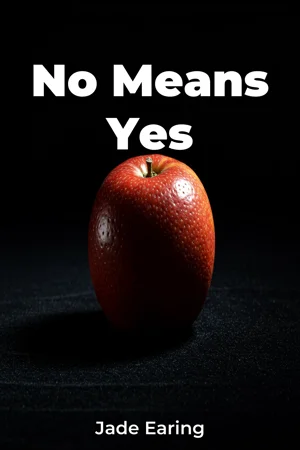
Why do we often crave what is forbidden? 'No Means Yes' delves into the fascinating psychological phenomenon where prohibition paradoxically intensifies desire. This book explores the underlying mechanisms that transform restrictions into attractions, offering a comprehensive analysis of how the human psyche reacts to limitations. We examine the realms of social science and psychology to reveal the counterintuitive relationship between what we're told we can't have and what we subsequently want most. The core of this exploration lies in three major topics: reactance theory, cognitive dissonance, and the scarcity principle. Reactance theory posits that individuals experience a motivational reaction when their freedom is threatened, leading them to desire the prohibited object or activity even more. Cognitive dissonance introduces the discomfort we feel when holding conflicting beliefs, pushing us to justify our desires for the forbidden to resolve this internal conflict. The scarcity principle suggests that anything perceived as rare or limited automatically becomes more desirable. These psychological frameworks are crucial for understanding the often irrational ways in which prohibition amplifies longing. The book presents clinical experiments and case studies demonstrating these psychological effects in action. We analyze historical examples, focusing specifically on the unintended consequences of prohibition laws. We explore how restrictions on certain behaviors or products can trigger a backlash, leading to increased demand and engagement. This builds upon established research in behavioral economics and social psychology, enriching the reader's understanding of these complex dynamics. 'No Means Yes' argues that understanding the psychology of prohibition is crucial for effective policymaking and personal decision-making. Ignoring these psychological principles can lead to unintended and counterproductive outcomes. The book is structured into three major sections, each building upon the previous one. First, we introduce the core psychological concepts and theories, providing a solid theoretical foundation. Second, we analyze real-world examples of prohibition, from alcohol and drug policies to censorship and dietary restrictions, scrutinizing their effects on human behavior. Third, we explore the practical implications, outlining strategies for mitigating the backfire effects of prohibition and promoting more effective approaches to regulation and self-control. The evidence presented stems from a variety of sources, including original clinical experiments, meta-analyses of existing research, and case studies. The book also examines data from sociological studies and historical archives to provide a holistic understanding. 'No Means Yes' connects to several related fields, including economics, political science, and public health. Understanding how prohibition affects markets and consumer behavior is essential for economists. Similarly, political scientists can gain insights into the effectiveness of different policy approaches. Public health professionals can use this knowledge to design interventions that minimize harm and promote well-being. This book stands out by offering a comprehensive, interdisciplinary analysis of the psychology of prohibition, combining theoretical frameworks with practical applications. The tone of the book is both academic and accessible, making it suitable for readers with or without prior knowledge of psychology or social science. It is aimed at students, researchers, policymakers, and anyone interested in understanding the complexities of human behavior. This book would be valuable to those in fields such as policy making, marketing, and even parenting. 'No Means Yes' focuses on the psychological and behavioral aspects of prohibition, intentionally leaving aside legal or ethical arguments. It acknowledges the complex societal factors that contribute to these dynamics. While the book analyzes a wide range of examples, it does not offer a one-size-fits-all solution, recognizing that the effectiveness of different strategies depends on the specific context. The information presented in 'No Means Yes' can be applied in various real-world settings. Policymakers can use these insights to design more effective regulations that minimize unintended consequences. Marketers can understand how to ethically leverage the principles of scarcity and reactance. Parents can use this knowledge to foster healthy relationships with their children and avoid triggering rebellious behavior. The book also addresses ongoing debates in the field, such as the relative importance of different psychological mechanisms and the effectiveness of various interventions. It acknowledges the complexity of these issues and presents a balanced perspective, encouraging readers to critically evaluate the evidence. 'No Means Yes' promises a journey into the human mind, transforming our understanding of why "no" often inadvertently paves the path to "yes."
Why do we often crave what is forbidden? 'No Means Yes' delves into the fascinating psychological phenomenon where prohibition paradoxically intensifies desire. This book explores the underlying mechanisms that transform restrictions into attractions, offering a comprehensive analysis of how the human psyche reacts to limitations. We examine the realms of social science and psychology to reveal the counterintuitive relationship between what we're told we can't have and what we subsequently want most. The core of this exploration lies in three major topics: reactance theory, cognitive dissonance, and the scarcity principle. Reactance theory posits that individuals experience a motivational reaction when their freedom is threatened, leading them to desire the prohibited object or activity even more. Cognitive dissonance introduces the discomfort we feel when holding conflicting beliefs, pushing us to justify our desires for the forbidden to resolve this internal conflict. The scarcity principle suggests that anything perceived as rare or limited automatically becomes more desirable. These psychological frameworks are crucial for understanding the often irrational ways in which prohibition amplifies longing. The book presents clinical experiments and case studies demonstrating these psychological effects in action. We analyze historical examples, focusing specifically on the unintended consequences of prohibition laws. We explore how restrictions on certain behaviors or products can trigger a backlash, leading to increased demand and engagement. This builds upon established research in behavioral economics and social psychology, enriching the reader's understanding of these complex dynamics. 'No Means Yes' argues that understanding the psychology of prohibition is crucial for effective policymaking and personal decision-making. Ignoring these psychological principles can lead to unintended and counterproductive outcomes. The book is structured into three major sections, each building upon the previous one. First, we introduce the core psychological concepts and theories, providing a solid theoretical foundation. Second, we analyze real-world examples of prohibition, from alcohol and drug policies to censorship and dietary restrictions, scrutinizing their effects on human behavior. Third, we explore the practical implications, outlining strategies for mitigating the backfire effects of prohibition and promoting more effective approaches to regulation and self-control. The evidence presented stems from a variety of sources, including original clinical experiments, meta-analyses of existing research, and case studies. The book also examines data from sociological studies and historical archives to provide a holistic understanding. 'No Means Yes' connects to several related fields, including economics, political science, and public health. Understanding how prohibition affects markets and consumer behavior is essential for economists. Similarly, political scientists can gain insights into the effectiveness of different policy approaches. Public health professionals can use this knowledge to design interventions that minimize harm and promote well-being. This book stands out by offering a comprehensive, interdisciplinary analysis of the psychology of prohibition, combining theoretical frameworks with practical applications. The tone of the book is both academic and accessible, making it suitable for readers with or without prior knowledge of psychology or social science. It is aimed at students, researchers, policymakers, and anyone interested in understanding the complexities of human behavior. This book would be valuable to those in fields such as policy making, marketing, and even parenting. 'No Means Yes' focuses on the psychological and behavioral aspects of prohibition, intentionally leaving aside legal or ethical arguments. It acknowledges the complex societal factors that contribute to these dynamics. While the book analyzes a wide range of examples, it does not offer a one-size-fits-all solution, recognizing that the effectiveness of different strategies depends on the specific context. The information presented in 'No Means Yes' can be applied in various real-world settings. Policymakers can use these insights to design more effective regulations that minimize unintended consequences. Marketers can understand how to ethically leverage the principles of scarcity and reactance. Parents can use this knowledge to foster healthy relationships with their children and avoid triggering rebellious behavior. The book also addresses ongoing debates in the field, such as the relative importance of different psychological mechanisms and the effectiveness of various interventions. It acknowledges the complexity of these issues and presents a balanced perspective, encouraging readers to critically evaluate the evidence. 'No Means Yes' promises a journey into the human mind, transforming our understanding of why "no" often inadvertently paves the path to "yes."
"No Means Yes" explores the intriguing psychology behind why forbidden things often become more desirable. It delves into how our minds react when faced with restrictions, examining the counterintuitive relationship between prohibition and longing. Grounded in social science and psychology, the book highlights how the human psyche transforms limitations into attractions. For example, reactance theory suggests we push back when our freedom is threatened, while the scarcity principle makes limited items seem more valuable. The book progresses by first laying a theoretical foundation, then analyzing real-world examples like alcohol prohibition and censorship, and finally exploring practical implications for policy making and self-control. Through clinical experiments and case studies, the book demonstrates how prohibition can lead to unintended consequences, increasing demand for the very things being restricted. This comprehensive analysis, suitable for both academics and general readers, offers valuable insights for anyone interested in understanding human behavior and the psychological effects of prohibition.
Book Details
ISBN
9788235202345
Publisher
Publifye AS
Your Licenses
You don't own any licenses for this book
Purchase a license below to unlock this book and download the EPUB.
Purchase License
Select a tier to unlock this book
Need bulk licensing?
Contact us for enterprise agreements.