
About This Book
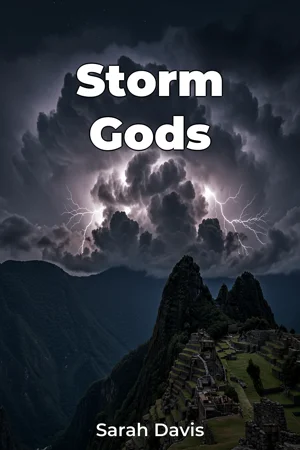
Have you ever wondered why ancient cultures so universally revered deities associated with thunder, lightning, and storms? "Storm Gods" delves into the fascinating world of these powerful figures, exploring their roles in mythology and their profound influence on ancient civilizations. This book examines the interconnectedness of religion and history through the lens of storm deities, providing a comprehensive overview of their pervasive presence across diverse cultures. This book focuses on three main topics: the diverse depictions of storm gods across various mythologies, the societal impact these deities had on ancient civilizations, and the potential origins and evolution of storm god worship. These topics are significant because they provide valuable insights into the belief systems, cultural values, and historical development of ancient societies. Understanding the role of storm gods offers a unique perspective on how early humans interpreted and interacted with the natural world, shaping their social structures, political systems, and artistic expressions. To fully appreciate the significance of these figures, the book provides necessary historical and social context. It examines the environmental challenges faced by ancient civilizations, highlighting how unpredictable weather patterns and natural disasters played a central role in shaping their religious beliefs. An understanding of basic mythological concepts and ancient history is helpful but not required, as the book provides clear explanations and definitions throughout. The central argument of "Storm Gods" is that the widespread worship of storm deities reflects a fundamental human need to understand and control the forces of nature. This argument is crucial because it challenges simplistic interpretations of ancient religions as mere superstition, instead presenting them as complex systems of belief that served important social and psychological functions. The book's structure unfolds as follows: It begins by introducing the concept of storm gods and their various attributes, then moves into an exploration of specific deities from different cultures, such as Zeus from Greek mythology, Thor from Norse mythology, and Indra from Hindu mythology. Subsequent chapters delve into the societal impacts of storm god worship, examining how these beliefs influenced ancient art, architecture, rituals, and political structures. The book culminates in a discussion of theories regarding the origins and evolution of storm god worship, considering factors such as environmental determinism and the psychological impact of natural disasters. "Storm Gods" draws upon a wide range of evidence, including archaeological findings, ancient texts, iconographic analysis, and comparative mythology. It presents unique data derived from the study of ancient weather patterns and their correlation with the rise and fall of specific civilizations. This book connects to other fields such as anthropology, archaeology, and climatology. By integrating insights from these disciplines, "Storm Gods" offers a more nuanced and comprehensive understanding of the role of storm gods in ancient societies. The book offers a fresh perspective by examining storm gods not just as religious figures, but as cultural symbols reflecting humanity's enduring relationship with the natural world. Written in a clear and accessible style, "Storm Gods" is aimed at a broad audience interested in mythology, religion, and ancient history. It will appeal to students, researchers, and anyone fascinated by the beliefs and practices of early civilizations. As a work of non-fiction, it adheres to the standards of scholarly research, presenting factual information supported by credible sources. The scope of "Storm Gods" encompasses a wide range of cultures and time periods, from the earliest known civilizations to the rise of major world religions. However, it intentionally limits its focus to deities primarily associated with thunder, lightning, and storms, excluding other types of nature gods. The ideas presented in "Storm Gods" have real-world applications for understanding contemporary issues related to climate change and environmental awareness. By studying how ancient civilizations responded to environmental challenges, readers can gain valuable insights into the long-term consequences of human interactions with the natural world. While this book presents a comprehensive view, debates persist regarding to what extent climate change influenced the collapse of certain societies and how literal the mythological accounts should be interpreted, which the book acknowledges.
Have you ever wondered why ancient cultures so universally revered deities associated with thunder, lightning, and storms? "Storm Gods" delves into the fascinating world of these powerful figures, exploring their roles in mythology and their profound influence on ancient civilizations. This book examines the interconnectedness of religion and history through the lens of storm deities, providing a comprehensive overview of their pervasive presence across diverse cultures. This book focuses on three main topics: the diverse depictions of storm gods across various mythologies, the societal impact these deities had on ancient civilizations, and the potential origins and evolution of storm god worship. These topics are significant because they provide valuable insights into the belief systems, cultural values, and historical development of ancient societies. Understanding the role of storm gods offers a unique perspective on how early humans interpreted and interacted with the natural world, shaping their social structures, political systems, and artistic expressions. To fully appreciate the significance of these figures, the book provides necessary historical and social context. It examines the environmental challenges faced by ancient civilizations, highlighting how unpredictable weather patterns and natural disasters played a central role in shaping their religious beliefs. An understanding of basic mythological concepts and ancient history is helpful but not required, as the book provides clear explanations and definitions throughout. The central argument of "Storm Gods" is that the widespread worship of storm deities reflects a fundamental human need to understand and control the forces of nature. This argument is crucial because it challenges simplistic interpretations of ancient religions as mere superstition, instead presenting them as complex systems of belief that served important social and psychological functions. The book's structure unfolds as follows: It begins by introducing the concept of storm gods and their various attributes, then moves into an exploration of specific deities from different cultures, such as Zeus from Greek mythology, Thor from Norse mythology, and Indra from Hindu mythology. Subsequent chapters delve into the societal impacts of storm god worship, examining how these beliefs influenced ancient art, architecture, rituals, and political structures. The book culminates in a discussion of theories regarding the origins and evolution of storm god worship, considering factors such as environmental determinism and the psychological impact of natural disasters. "Storm Gods" draws upon a wide range of evidence, including archaeological findings, ancient texts, iconographic analysis, and comparative mythology. It presents unique data derived from the study of ancient weather patterns and their correlation with the rise and fall of specific civilizations. This book connects to other fields such as anthropology, archaeology, and climatology. By integrating insights from these disciplines, "Storm Gods" offers a more nuanced and comprehensive understanding of the role of storm gods in ancient societies. The book offers a fresh perspective by examining storm gods not just as religious figures, but as cultural symbols reflecting humanity's enduring relationship with the natural world. Written in a clear and accessible style, "Storm Gods" is aimed at a broad audience interested in mythology, religion, and ancient history. It will appeal to students, researchers, and anyone fascinated by the beliefs and practices of early civilizations. As a work of non-fiction, it adheres to the standards of scholarly research, presenting factual information supported by credible sources. The scope of "Storm Gods" encompasses a wide range of cultures and time periods, from the earliest known civilizations to the rise of major world religions. However, it intentionally limits its focus to deities primarily associated with thunder, lightning, and storms, excluding other types of nature gods. The ideas presented in "Storm Gods" have real-world applications for understanding contemporary issues related to climate change and environmental awareness. By studying how ancient civilizations responded to environmental challenges, readers can gain valuable insights into the long-term consequences of human interactions with the natural world. While this book presents a comprehensive view, debates persist regarding to what extent climate change influenced the collapse of certain societies and how literal the mythological accounts should be interpreted, which the book acknowledges.
"Storm Gods" explores the pervasive role of storm deities like Zeus and Thor in ancient civilizations, revealing how these figures shaped belief systems and cultural values. It examines the diverse depictions of these gods across mythologies and their profound societal impact, demonstrating how early humans sought to understand and control the forces of nature. Intriguingly, the book highlights how ancient weather patterns and natural disasters influenced the rise and fall of specific civilizations, suggesting a deep interconnectedness between environmental challenges and religious beliefs. The book progresses by first introducing the concept of storm gods and then delving into specific deities from cultures around the world. Subsequent chapters explore the societal impact of storm god worship on areas such as art and political structures, culminating in a discussion of the origins and evolution of these beliefs. By drawing upon archaeological findings, ancient texts, and comparative mythology, "Storm Gods" offers a fresh perspective on these powerful figures, emphasizing their role as cultural symbols reflecting humanity's enduring relationship with the natural world.
Book Details
ISBN
9788235202253
Publisher
Publifye AS
Your Licenses
You don't own any licenses for this book
Purchase a license below to unlock this book and download the EPUB.
Purchase License
Select a tier to unlock this book
Need bulk licensing?
Contact us for enterprise agreements.