
About This Book
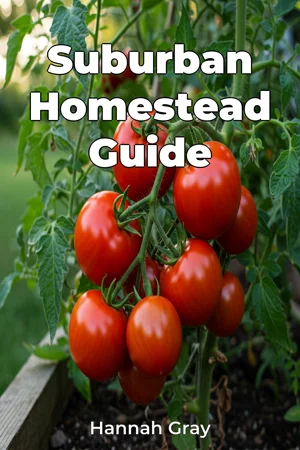
Are you ready to transform your suburban backyard into a thriving, sustainable homestead? This book, "Suburban Homestead Guide," provides the essential knowledge and practical strategies to cultivate self-sufficiency, even within the constraints of a typical suburban lot. We address two core challenges: maximizing limited space and navigating the unique regulations and social dynamics of suburban communities. This is important because embracing homesteading principles allows you to reduce your environmental impact, improve your family's food security, and foster a deeper connection with nature, regardless of where you live. The "Suburban Homestead Guide" argues that homesteading is not limited to rural areas; it can be successfully adapted to suburban environments through careful planning, efficient techniques, and a mindful approach to community relations. This argument is supported by a synthesis of permaculture principles, urban agriculture best practices, and real-world examples of successful suburban homesteads. We present data on crop yields in small-scale gardens, cost savings from home food production, and the positive impact of sustainable practices on local ecosystems. The book systematically guides you through the process of establishing a suburban homestead. First, we introduce core homesteading concepts, including soil health, water conservation, and integrated pest management, contextualizing them within the suburban landscape. Then, we explore key areas of focus: 1. **Gardening for Maximum Yield:** This section focuses on maximizing food production in limited spaces. Topics include vertical gardening, raised beds, succession planting, and selecting plant varieties suited for suburban climates. We present case studies of successful suburban gardens and offer practical tips for overcoming common challenges, such as poor soil quality and limited sunlight. 2. **Small-Scale Animal Husbandry:** We explore the feasibility of raising chickens, rabbits, and bees in suburban settings. This section covers local regulations, coop design, responsible animal care, and the benefits of these animals to the homestead ecosystem. Ethical considerations and best practices for minimizing noise and odor are emphasized. 3. **Resource Management and Sustainability:** This section focuses on reducing waste, conserving water, and generating renewable energy. Topics include composting, rainwater harvesting, solar energy, and greywater recycling. We provide practical guidance on implementing these technologies in a cost-effective and aesthetically pleasing manner. The book culminates with strategies for integrating your homestead into the community, fostering positive relationships with neighbors, and navigating local regulations. This includes tips on sharing surplus produce, participating in community gardens, and advocating for sustainable policies. "Suburban Homestead Guide" draws connections to several disciplines, including environmental science (understanding ecosystem dynamics), urban planning (navigating regulations and community development), and economics (assessing the cost-effectiveness of homesteading practices). Our unique approach emphasizes practical, scalable solutions that are accessible to beginners and adaptable to diverse suburban contexts. Written in a conversational and accessible style, this book is designed for homeowners, renters, and anyone interested in living more sustainably in a suburban environment. Whether you're a seasoned gardener or a complete novice, you'll find valuable information and inspiration to start or enhance your suburban homestead. We do not cover extensive livestock such as cows or pigs due to the average limitations of lot size in suburban areas. This guide provides real-world applications that empower readers to take immediate action, from building a compost bin to planting a vegetable garden. We also address the ongoing debate about the role of suburban communities in promoting sustainability and argue that suburban homesteading can be a powerful force for positive change.
Are you ready to transform your suburban backyard into a thriving, sustainable homestead? This book, "Suburban Homestead Guide," provides the essential knowledge and practical strategies to cultivate self-sufficiency, even within the constraints of a typical suburban lot. We address two core challenges: maximizing limited space and navigating the unique regulations and social dynamics of suburban communities. This is important because embracing homesteading principles allows you to reduce your environmental impact, improve your family's food security, and foster a deeper connection with nature, regardless of where you live. The "Suburban Homestead Guide" argues that homesteading is not limited to rural areas; it can be successfully adapted to suburban environments through careful planning, efficient techniques, and a mindful approach to community relations. This argument is supported by a synthesis of permaculture principles, urban agriculture best practices, and real-world examples of successful suburban homesteads. We present data on crop yields in small-scale gardens, cost savings from home food production, and the positive impact of sustainable practices on local ecosystems. The book systematically guides you through the process of establishing a suburban homestead. First, we introduce core homesteading concepts, including soil health, water conservation, and integrated pest management, contextualizing them within the suburban landscape. Then, we explore key areas of focus: 1. **Gardening for Maximum Yield:** This section focuses on maximizing food production in limited spaces. Topics include vertical gardening, raised beds, succession planting, and selecting plant varieties suited for suburban climates. We present case studies of successful suburban gardens and offer practical tips for overcoming common challenges, such as poor soil quality and limited sunlight. 2. **Small-Scale Animal Husbandry:** We explore the feasibility of raising chickens, rabbits, and bees in suburban settings. This section covers local regulations, coop design, responsible animal care, and the benefits of these animals to the homestead ecosystem. Ethical considerations and best practices for minimizing noise and odor are emphasized. 3. **Resource Management and Sustainability:** This section focuses on reducing waste, conserving water, and generating renewable energy. Topics include composting, rainwater harvesting, solar energy, and greywater recycling. We provide practical guidance on implementing these technologies in a cost-effective and aesthetically pleasing manner. The book culminates with strategies for integrating your homestead into the community, fostering positive relationships with neighbors, and navigating local regulations. This includes tips on sharing surplus produce, participating in community gardens, and advocating for sustainable policies. "Suburban Homestead Guide" draws connections to several disciplines, including environmental science (understanding ecosystem dynamics), urban planning (navigating regulations and community development), and economics (assessing the cost-effectiveness of homesteading practices). Our unique approach emphasizes practical, scalable solutions that are accessible to beginners and adaptable to diverse suburban contexts. Written in a conversational and accessible style, this book is designed for homeowners, renters, and anyone interested in living more sustainably in a suburban environment. Whether you're a seasoned gardener or a complete novice, you'll find valuable information and inspiration to start or enhance your suburban homestead. We do not cover extensive livestock such as cows or pigs due to the average limitations of lot size in suburban areas. This guide provides real-world applications that empower readers to take immediate action, from building a compost bin to planting a vegetable garden. We also address the ongoing debate about the role of suburban communities in promoting sustainability and argue that suburban homesteading can be a powerful force for positive change.
"Suburban Homestead Guide" offers a practical roadmap for transforming your suburban property into a sustainable haven. It tackles the challenges of limited space and suburban regulations, showing how to cultivate self-sufficiency and connect with nature, even in your backyard. Discover how to boost your food security and shrink your environmental footprint through efficient techniques and mindful community engagement. The book highlights that suburban homesteading isn't just about gardening; it's about adopting a sustainable lifestyle. This guide emphasizes maximizing yields through methods like vertical gardening and succession planting. It also explores small-scale animal husbandry, such as raising chickens or bees, while adhering to ethical practices and local ordinances. The book progresses systematically, first introducing core concepts like soil health and water conservation. Later chapters delve into resource management, covering composting, rainwater harvesting, and renewable energy solutions. Ultimately, "Suburban Homestead Guide" empowers you to integrate your homestead into the community, fostering positive relationships and advocating for sustainable policies. Its unique approach combines permaculture principles, urban agriculture best practices, and real-world examples, making sustainable living accessible and adaptable to any suburban setting. Whether you're a novice or experienced gardener, this book equips you with the knowledge to create a thriving suburban homestead.
Book Details
ISBN
9788235202239
Publisher
Publifye AS
Your Licenses
You don't own any licenses for this book
Purchase a license below to unlock this book and download the EPUB.
Purchase License
Select a tier to unlock this book
Need bulk licensing?
Contact us for enterprise agreements.