
About This Book
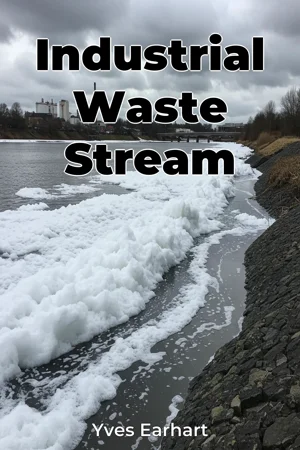
What if the seemingly innocuous act of doing laundry was contributing to a silent environmental crisis? "Industrial Waste Stream" delves into the often-overlooked pollution emanating from detergent manufacturing, offering a comprehensive analysis grounded in rigorous environmental impact assessments. This book navigates the complexities of industrial waste, specifically addressing its chemical composition and its ecological effects with particular focus on the role of detergent production. The central argument of "Industrial Waste Stream" posits that current detergent manufacturing practices, while economically viable, generate significant and unsustainable environmental burdens that require immediate attention. The book asserts that a holistic approach, incorporating technological innovation, stricter regulations, and consumer awareness, is crucial to mitigate these impacts and foster a more sustainable industry. This argument is vital because it challenges the conventional wisdom that environmental concerns are secondary to economic progress and demands a re-evaluation of industrial priorities. The book is structured to provide a comprehensive understanding of the issue. It begins by introducing the fundamental chemistry of detergents, outlining the various ingredients and their functions. Then, it details the manufacturing processes involved, highlighting the points where waste generation is most significant. The core of the book comprises detailed analyses of several environmental impact assessments conducted at different detergent manufacturing facilities worldwide. These assessments cover various aspects, including water pollution, air emissions, and soil contamination. The findings, derived from diverse geographical locations and methodological approaches, provide a robust evidence base. The book unveils extensive data relating to the discharge of phosphates, surfactants, and other chemical compounds into waterways, leading to eutrophication and disruption of aquatic ecosystems. It also examines the atmospheric release of volatile organic compounds (VOCs) during production and their contribution to smog and respiratory problems. Furthermore, the book discusses the accumulation of persistent chemicals in soils surrounding manufacturing plants, potentially impacting agricultural lands and human health. All evidence is backed by scientific literature, government reports, and environmental surveys. "Industrial Waste Stream" draws connections between detergent pollution and several other fields. It intersects with environmental science, exploring ecological toxicology and the fate of chemicals in the environment. It also ties into policy and regulation, examining the effectiveness of current environmental standards and advocating for stricter controls. Furthermore, it overlaps with economics, analyzing the cost-benefit trade-offs of different manufacturing practices and exploring incentives for sustainable innovation. This book takes a unique approach by combining detailed scientific analysis with a practical focus on solutions. Beyond simply documenting the problem, it explores innovative technologies for waste reduction and treatment, as well as policy recommendations for promoting cleaner production. Written in a clear and accessible style, "Industrial Waste Stream" is intended for an audience including environmental scientists, policymakers, industry professionals, and concerned citizens. It would also be valuable for students studying environmental science, engineering, or public policy. The book is relevant for anyone seeking a deeper understanding of the environmental consequences of industrial activity and the potential pathways to a more sustainable future. The scope of this book is limited to the environmental impacts directly associated with the manufacturing stage of detergent production. This includes the extraction of raw materials, chemical synthesis, formulation, and packaging. It does not include any analysis of the entire lifecycle of the detergent products including the consumer use phase. The information presented in this book has real-world applications for environmental managers seeking to minimize pollution from existing detergent plants, for engineers designing new, cleaner production facilities, and for policymakers developing stricter environmental regulations. It also empowers consumers to make more informed choices about the products they use and to advocate for corporate responsibility. Ongoing debates within the field of industrial ecology often revolve around the balance between economic growth and environmental protection. This book tackles this debate head-on, presenting a compelling case for prioritizing environmental sustainability without sacrificing economic viability. "Industrial Waste Stream" strives to inform and empower stakeholders to create a cleaner, healthier, and more sustainable future.
What if the seemingly innocuous act of doing laundry was contributing to a silent environmental crisis? "Industrial Waste Stream" delves into the often-overlooked pollution emanating from detergent manufacturing, offering a comprehensive analysis grounded in rigorous environmental impact assessments. This book navigates the complexities of industrial waste, specifically addressing its chemical composition and its ecological effects with particular focus on the role of detergent production. The central argument of "Industrial Waste Stream" posits that current detergent manufacturing practices, while economically viable, generate significant and unsustainable environmental burdens that require immediate attention. The book asserts that a holistic approach, incorporating technological innovation, stricter regulations, and consumer awareness, is crucial to mitigate these impacts and foster a more sustainable industry. This argument is vital because it challenges the conventional wisdom that environmental concerns are secondary to economic progress and demands a re-evaluation of industrial priorities. The book is structured to provide a comprehensive understanding of the issue. It begins by introducing the fundamental chemistry of detergents, outlining the various ingredients and their functions. Then, it details the manufacturing processes involved, highlighting the points where waste generation is most significant. The core of the book comprises detailed analyses of several environmental impact assessments conducted at different detergent manufacturing facilities worldwide. These assessments cover various aspects, including water pollution, air emissions, and soil contamination. The findings, derived from diverse geographical locations and methodological approaches, provide a robust evidence base. The book unveils extensive data relating to the discharge of phosphates, surfactants, and other chemical compounds into waterways, leading to eutrophication and disruption of aquatic ecosystems. It also examines the atmospheric release of volatile organic compounds (VOCs) during production and their contribution to smog and respiratory problems. Furthermore, the book discusses the accumulation of persistent chemicals in soils surrounding manufacturing plants, potentially impacting agricultural lands and human health. All evidence is backed by scientific literature, government reports, and environmental surveys. "Industrial Waste Stream" draws connections between detergent pollution and several other fields. It intersects with environmental science, exploring ecological toxicology and the fate of chemicals in the environment. It also ties into policy and regulation, examining the effectiveness of current environmental standards and advocating for stricter controls. Furthermore, it overlaps with economics, analyzing the cost-benefit trade-offs of different manufacturing practices and exploring incentives for sustainable innovation. This book takes a unique approach by combining detailed scientific analysis with a practical focus on solutions. Beyond simply documenting the problem, it explores innovative technologies for waste reduction and treatment, as well as policy recommendations for promoting cleaner production. Written in a clear and accessible style, "Industrial Waste Stream" is intended for an audience including environmental scientists, policymakers, industry professionals, and concerned citizens. It would also be valuable for students studying environmental science, engineering, or public policy. The book is relevant for anyone seeking a deeper understanding of the environmental consequences of industrial activity and the potential pathways to a more sustainable future. The scope of this book is limited to the environmental impacts directly associated with the manufacturing stage of detergent production. This includes the extraction of raw materials, chemical synthesis, formulation, and packaging. It does not include any analysis of the entire lifecycle of the detergent products including the consumer use phase. The information presented in this book has real-world applications for environmental managers seeking to minimize pollution from existing detergent plants, for engineers designing new, cleaner production facilities, and for policymakers developing stricter environmental regulations. It also empowers consumers to make more informed choices about the products they use and to advocate for corporate responsibility. Ongoing debates within the field of industrial ecology often revolve around the balance between economic growth and environmental protection. This book tackles this debate head-on, presenting a compelling case for prioritizing environmental sustainability without sacrificing economic viability. "Industrial Waste Stream" strives to inform and empower stakeholders to create a cleaner, healthier, and more sustainable future.
"Industrial Waste Stream" explores the significant environmental pollution stemming from detergent manufacturing, an often-overlooked source of industrial waste. The book argues that current practices, while economically sound, pose unsustainable environmental burdens, particularly concerning water pollution from phosphates and surfactants, which can disrupt aquatic ecosystems. It uniquely combines scientific analysis with practical solutions, advocating for technological innovation, stricter environmental regulations, and increased consumer awareness to foster a sustainable industry. The book begins by detailing the chemistry of detergents and their manufacturing processes, pinpointing areas of significant waste generation. It then presents environmental impact assessments from various detergent facilities worldwide, examining air emissions, soil contamination, and the discharge of harmful chemicals. These assessments highlight the atmospheric release of volatile organic compounds (VOCs) that contribute to smog and respiratory issues. The book also connects detergent pollution to ecological toxicology and policy, advocating for stricter controls and exploring incentives for sustainable innovation. This comprehensive analysis is structured to inform environmental scientists, policymakers, industry professionals, and concerned citizens. It provides a pathway for creating a cleaner and more sustainable future by addressing the environmental impact assessment of detergent manufacturing. The book's approach empowers stakeholders to minimize pollution, design cleaner facilities, and make informed consumer choices.
Book Details
ISBN
9788235202192
Publisher
Publifye AS
Your Licenses
You don't own any licenses for this book
Purchase a license below to unlock this book and download the EPUB.
Purchase License
Select a tier to unlock this book
Need bulk licensing?
Contact us for enterprise agreements.