
About This Book
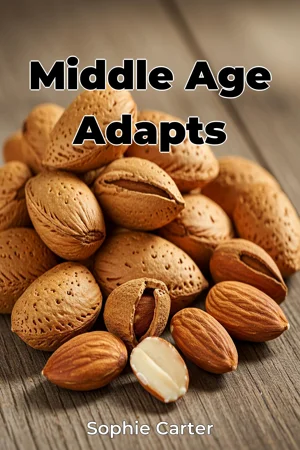
Are you finding that the energy you once took for granted in your younger years is now harder to come by? "Middle Age Adapts" delves into the science of maintaining vitality and adapting dietary habits as we navigate the unique challenges of our 40s and beyond. This book explores the critical role of nutrition, particularly the often-overlooked benefits of almonds, in optimizing energy levels and overall well-being during this pivotal life stage. We will examine how the body's needs and metabolic processes shift, requiring informed dietary choices to sustain an active and fulfilling lifestyle. This book focuses on two key areas: understanding age-related metabolic changes and exploring targeted nutritional interventions, with a special emphasis on the role of almonds. These topics are crucial because maintaining energy and health in middle age significantly impacts the quality of life, disease prevention, and longevity. Ignoring these shifts can lead to decreased vitality, increased risk of chronic diseases, and a diminished capacity to enjoy life. To fully appreciate the dietary recommendations, we will first contextualize the discussion with a review of basic human biology, particularly the digestive system and energy production pathways. We will also examine societal trends in diet and exercise, tracing the evolution of nutritional advice and its impact on public health. This provides a crucial foundation for evaluating the effectiveness of various strategies. The central argument of "Middle Age Adapts" is that incorporating nutrient-dense foods like almonds into a balanced diet, specifically tailored to the physiological needs of individuals in their 40s and beyond, can significantly boost energy levels, support metabolic health, and contribute to a higher quality of life. This argument is important because it offers a proactive and accessible approach to managing age-related health challenges through dietary modifications, empowering readers to take control of their well-being. The book is structured as follows: Part 1 introduces the science of aging and its effects on metabolism and energy levels. Part 2 focuses on the nutritional components of almonds and their specific benefits, drawing upon scientific studies on their impact on energy, weight management, and cardiovascular health. Part 3 discusses the practical application of incorporating almonds into a balanced diet, including meal planning and recipe ideas, and addresses common misconceptions about nuts and fat consumption. The book culminates in a comprehensive plan for adapting dietary habits in middle age to achieve sustained energy, promote overall health, and enhance quality of life, and discusses practical considerations and potential limitations of dietary changes. The evidence presented in this book will be based on a synthesis of peer-reviewed scientific studies, meta-analyses of clinical trials, and expert opinions from the fields of nutrition, biology, and gerontology. Data sources include scientific journals such as the "American Journal of Clinical Nutrition," "The Journal of Nutrition," and databases like PubMed and Cochrane Library. We will also analyze existing dietary guidelines and recommendations from reputable health organizations. "Middle Age Adapts" is not confined to a single discipline. It draws connections between biology (understanding metabolic processes), nutritional science (assessing the impact of specific foods), and health psychology (addressing behavioral changes related to diet). These interdisciplinary connections strengthen the argument by providing a holistic view of health and highlighting the interplay between biological, nutritional, and psychological factors. This book offers a distinctive viewpoint by focusing specifically on the adaptability of nutrition, with an emphasis on almonds, to counteract the metabolic shifts that occur during middle age. While general healthy eating advice is plentiful, this book synthesizes research to highlight the nuanced nutritional needs of this specific life stage. The book's tone is informative and accessible, making complex scientific concepts understandable to the average reader without sacrificing accuracy. The writing style balances scientific rigor with practical advice, aiming to empower readers with knowledge and actionable strategies. The target audience for this book is adults in their 40s, 50s, and beyond who are seeking evidence-based strategies to maintain their energy levels, manage their weight, and improve their overall health. It will also appeal to healthcare professionals, nutritionists, and wellness coaches who work with this population. As a work within the Health & Fitness and Life Sciences genres, "Middle Age Adapts" adheres to expectations of providing up-to-date, scientifically sound information presented in a clear and unbiased manner. It acknowledges the limitations of existing research and avoids making unwarranted claims. While the book covers a broad range of topics related to nutrition and aging, its scope is intentionally limited to the role of dietary adaptations, particularly with almonds, in promoting energy and health. It does not delve into other aspects of healthy aging, such as exercise or stress management, in detail, although these will be acknowledged. The information in this book can be applied practically by readers through meal planning, recipe modification, and mindful eating habits. It provides specific guidelines for incorporating almonds and other nutrient-dense foods into their diets, along with tips for overcoming common barriers to healthy eating. While the benefits of almonds are generally well-supported, there are ongoing debates regarding optimal dietary fat intake and the potential for allergic reactions. The book addresses these controversies by presenting balanced information and encouraging readers to consult with healthcare professionals for personalized advice.
Are you finding that the energy you once took for granted in your younger years is now harder to come by? "Middle Age Adapts" delves into the science of maintaining vitality and adapting dietary habits as we navigate the unique challenges of our 40s and beyond. This book explores the critical role of nutrition, particularly the often-overlooked benefits of almonds, in optimizing energy levels and overall well-being during this pivotal life stage. We will examine how the body's needs and metabolic processes shift, requiring informed dietary choices to sustain an active and fulfilling lifestyle. This book focuses on two key areas: understanding age-related metabolic changes and exploring targeted nutritional interventions, with a special emphasis on the role of almonds. These topics are crucial because maintaining energy and health in middle age significantly impacts the quality of life, disease prevention, and longevity. Ignoring these shifts can lead to decreased vitality, increased risk of chronic diseases, and a diminished capacity to enjoy life. To fully appreciate the dietary recommendations, we will first contextualize the discussion with a review of basic human biology, particularly the digestive system and energy production pathways. We will also examine societal trends in diet and exercise, tracing the evolution of nutritional advice and its impact on public health. This provides a crucial foundation for evaluating the effectiveness of various strategies. The central argument of "Middle Age Adapts" is that incorporating nutrient-dense foods like almonds into a balanced diet, specifically tailored to the physiological needs of individuals in their 40s and beyond, can significantly boost energy levels, support metabolic health, and contribute to a higher quality of life. This argument is important because it offers a proactive and accessible approach to managing age-related health challenges through dietary modifications, empowering readers to take control of their well-being. The book is structured as follows: Part 1 introduces the science of aging and its effects on metabolism and energy levels. Part 2 focuses on the nutritional components of almonds and their specific benefits, drawing upon scientific studies on their impact on energy, weight management, and cardiovascular health. Part 3 discusses the practical application of incorporating almonds into a balanced diet, including meal planning and recipe ideas, and addresses common misconceptions about nuts and fat consumption. The book culminates in a comprehensive plan for adapting dietary habits in middle age to achieve sustained energy, promote overall health, and enhance quality of life, and discusses practical considerations and potential limitations of dietary changes. The evidence presented in this book will be based on a synthesis of peer-reviewed scientific studies, meta-analyses of clinical trials, and expert opinions from the fields of nutrition, biology, and gerontology. Data sources include scientific journals such as the "American Journal of Clinical Nutrition," "The Journal of Nutrition," and databases like PubMed and Cochrane Library. We will also analyze existing dietary guidelines and recommendations from reputable health organizations. "Middle Age Adapts" is not confined to a single discipline. It draws connections between biology (understanding metabolic processes), nutritional science (assessing the impact of specific foods), and health psychology (addressing behavioral changes related to diet). These interdisciplinary connections strengthen the argument by providing a holistic view of health and highlighting the interplay between biological, nutritional, and psychological factors. This book offers a distinctive viewpoint by focusing specifically on the adaptability of nutrition, with an emphasis on almonds, to counteract the metabolic shifts that occur during middle age. While general healthy eating advice is plentiful, this book synthesizes research to highlight the nuanced nutritional needs of this specific life stage. The book's tone is informative and accessible, making complex scientific concepts understandable to the average reader without sacrificing accuracy. The writing style balances scientific rigor with practical advice, aiming to empower readers with knowledge and actionable strategies. The target audience for this book is adults in their 40s, 50s, and beyond who are seeking evidence-based strategies to maintain their energy levels, manage their weight, and improve their overall health. It will also appeal to healthcare professionals, nutritionists, and wellness coaches who work with this population. As a work within the Health & Fitness and Life Sciences genres, "Middle Age Adapts" adheres to expectations of providing up-to-date, scientifically sound information presented in a clear and unbiased manner. It acknowledges the limitations of existing research and avoids making unwarranted claims. While the book covers a broad range of topics related to nutrition and aging, its scope is intentionally limited to the role of dietary adaptations, particularly with almonds, in promoting energy and health. It does not delve into other aspects of healthy aging, such as exercise or stress management, in detail, although these will be acknowledged. The information in this book can be applied practically by readers through meal planning, recipe modification, and mindful eating habits. It provides specific guidelines for incorporating almonds and other nutrient-dense foods into their diets, along with tips for overcoming common barriers to healthy eating. While the benefits of almonds are generally well-supported, there are ongoing debates regarding optimal dietary fat intake and the potential for allergic reactions. The book addresses these controversies by presenting balanced information and encouraging readers to consult with healthcare professionals for personalized advice.
"Middle Age Adapts" addresses the science of maintaining vitality through dietary adjustments during the metabolic changes of midlife. The book emphasizes the importance of nutrition, particularly the benefits of incorporating almonds into a balanced diet, to optimize energy levels and overall well-being. It highlights that age-related metabolic shifts necessitate informed dietary choices to sustain an active lifestyle. Did you know that almonds are nutrient-dense foods? Also, these foods help support metabolic health as you age. The book's approach involves contextualizing dietary recommendations with a review of basic human biology and societal trends in diet and exercise. It is structured to first introduce the science of aging and its effects on metabolism, then focuses on the nutritional components of almonds, and finally discusses the practical application of incorporating almonds into a balanced diet. This book helps you take control of your well-being through proactive and accessible dietary modifications.
Book Details
ISBN
9788235202185
Publisher
Publifye AS
Your Licenses
You don't own any licenses for this book
Purchase a license below to unlock this book and download the EPUB.
Purchase License
Select a tier to unlock this book
Need bulk licensing?
Contact us for enterprise agreements.