
About This Book
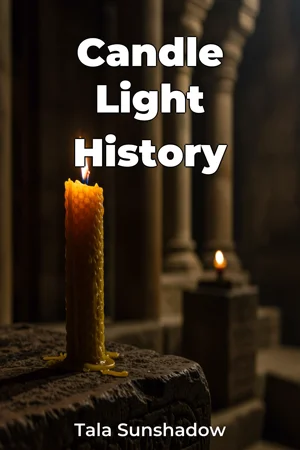
What began as a crude necessity for survival has evolved into a multifaceted symbol of illumination, celebration, and spirituality. "Candle Light History" chronicles the captivating journey of candles, from their rudimentary origins as animal fat tapers to their modern incarnations as exquisitely crafted decorative objects, exploring their profound cultural and religious significance across millennia. This book delves into three key topics: the technological evolution of candle making, the cultural and societal roles candles have played, and their enduring presence in religious practices. Understanding these elements provides insight into how a simple light source has both reflected and shaped human civilization. Candles offer a unique lens through which to examine the history of technology, social customs, and spiritual beliefs. No specific prerequisite knowledge is needed; the book presents information in an accessible manner, building understanding from fundamental concepts. The central argument of "Candle Light History" posits that the candle, far from being a mere relic of the pre-electric age, has consistently held a place of importance due to its adaptability and symbolic power. This argument challenges the notion that candles are simply obsolete, highlighting their continued relevance in ritual, aesthetics, and even therapeutic practices. The book begins by establishing the historical context of early lighting technologies, examining the use of animal fats and rudimentary wicks in ancient civilizations. It then traces the advancements in candle making, from the discovery of beeswax to the industrial production of paraffin wax candles in the 19th century. Major points include: first, the transformation of candle making from a domestic craft to a specialized industry, examining the impact of technological innovations; second, the diverse roles candles have played in society, from providing illumination in homes and workplaces to serving as symbols of status and celebration; and third, the pervasive presence of candles in religious practices, analyzing their use in rituals, ceremonies, and sacred spaces across various faiths. The book culminates by exploring the modern resurgence of candles, focusing on their use in aromatherapy, meditation, and home décor, demonstrating their enduring appeal. The evidence and research presented in "Candle Light History" draws upon a wide range of sources, including archaeological findings, historical texts, religious manuscripts, and sociological studies. These sources provide a comprehensive and nuanced understanding of the candle's multifaceted history. Interdisciplinary connections enhance this study. First, connections to art history reveal how candles have been depicted in paintings and other art forms, illuminating cultural values and aesthetic preferences. Second, links to anthropology explore the role of candles in rituals and ceremonies across different cultures, shedding light on human beliefs and social structures. Third, associations with chemistry illuminate the scientific advancements in candle production, demonstrating the interplay between science and technology. This book distinguishes itself through its holistic approach, examining the candle not only as a technological artifact but also as a cultural and religious symbol. It emphasizes the candle's remarkable capacity to adapt to changing societal needs and values. The book adopts a fact-based, non-fiction style, balancing detailed research with an engaging narrative. The tone is informative and accessible, aiming to educate and engage a broad audience. The target audience includes history enthusiasts, religious scholars, individuals interested in cultural studies, and anyone curious about the history of everyday objects. This book is particularly valuable to those seeking a deeper understanding of the cultural and religious significance of candles. As a work of history and religion, "Candle Light History" adheres to the genre's conventions by providing well-researched information, clear citations, and a balanced perspective on diverse viewpoints. The scope of the book encompasses the history of candles from ancient times to the present day, focusing primarily on Western cultures, whilst acknowledging global variations. Limitations include a focus on readily available documented sources, recognizing that some aspects of candle history may be undocumented or inaccessible. The information presented has real-world application. Readers can use it to understand the historical context of modern candle practices, appreciate the cultural significance of candles in various traditions, or even gain insights into sustainable candle making. While the basic use of candles for illumination is largely uncontested, debates exist regarding the environmental impact of different candle waxes, and the appropriation of candle rituals across cultures. "Candle Light History" addresses these debates by presenting balanced information and diverse perspectives.
What began as a crude necessity for survival has evolved into a multifaceted symbol of illumination, celebration, and spirituality. "Candle Light History" chronicles the captivating journey of candles, from their rudimentary origins as animal fat tapers to their modern incarnations as exquisitely crafted decorative objects, exploring their profound cultural and religious significance across millennia. This book delves into three key topics: the technological evolution of candle making, the cultural and societal roles candles have played, and their enduring presence in religious practices. Understanding these elements provides insight into how a simple light source has both reflected and shaped human civilization. Candles offer a unique lens through which to examine the history of technology, social customs, and spiritual beliefs. No specific prerequisite knowledge is needed; the book presents information in an accessible manner, building understanding from fundamental concepts. The central argument of "Candle Light History" posits that the candle, far from being a mere relic of the pre-electric age, has consistently held a place of importance due to its adaptability and symbolic power. This argument challenges the notion that candles are simply obsolete, highlighting their continued relevance in ritual, aesthetics, and even therapeutic practices. The book begins by establishing the historical context of early lighting technologies, examining the use of animal fats and rudimentary wicks in ancient civilizations. It then traces the advancements in candle making, from the discovery of beeswax to the industrial production of paraffin wax candles in the 19th century. Major points include: first, the transformation of candle making from a domestic craft to a specialized industry, examining the impact of technological innovations; second, the diverse roles candles have played in society, from providing illumination in homes and workplaces to serving as symbols of status and celebration; and third, the pervasive presence of candles in religious practices, analyzing their use in rituals, ceremonies, and sacred spaces across various faiths. The book culminates by exploring the modern resurgence of candles, focusing on their use in aromatherapy, meditation, and home décor, demonstrating their enduring appeal. The evidence and research presented in "Candle Light History" draws upon a wide range of sources, including archaeological findings, historical texts, religious manuscripts, and sociological studies. These sources provide a comprehensive and nuanced understanding of the candle's multifaceted history. Interdisciplinary connections enhance this study. First, connections to art history reveal how candles have been depicted in paintings and other art forms, illuminating cultural values and aesthetic preferences. Second, links to anthropology explore the role of candles in rituals and ceremonies across different cultures, shedding light on human beliefs and social structures. Third, associations with chemistry illuminate the scientific advancements in candle production, demonstrating the interplay between science and technology. This book distinguishes itself through its holistic approach, examining the candle not only as a technological artifact but also as a cultural and religious symbol. It emphasizes the candle's remarkable capacity to adapt to changing societal needs and values. The book adopts a fact-based, non-fiction style, balancing detailed research with an engaging narrative. The tone is informative and accessible, aiming to educate and engage a broad audience. The target audience includes history enthusiasts, religious scholars, individuals interested in cultural studies, and anyone curious about the history of everyday objects. This book is particularly valuable to those seeking a deeper understanding of the cultural and religious significance of candles. As a work of history and religion, "Candle Light History" adheres to the genre's conventions by providing well-researched information, clear citations, and a balanced perspective on diverse viewpoints. The scope of the book encompasses the history of candles from ancient times to the present day, focusing primarily on Western cultures, whilst acknowledging global variations. Limitations include a focus on readily available documented sources, recognizing that some aspects of candle history may be undocumented or inaccessible. The information presented has real-world application. Readers can use it to understand the historical context of modern candle practices, appreciate the cultural significance of candles in various traditions, or even gain insights into sustainable candle making. While the basic use of candles for illumination is largely uncontested, debates exist regarding the environmental impact of different candle waxes, and the appropriation of candle rituals across cultures. "Candle Light History" addresses these debates by presenting balanced information and diverse perspectives.
"Candle Light History" illuminates the surprisingly rich story of candles, tracing their evolution from basic light sources to potent symbols in religious practices and social customs. This book explores how candle making transformed from a simple, domestic task using animal fats to a sophisticated industry, significantly impacting societies worldwide. Interestingly, the book highlights that advancements like the discovery of beeswax dramatically improved candle quality, leading to their increased use in rituals and ceremonies. The narrative progresses chronologically, beginning with ancient civilizations and moving through technological advancements to explore the candle's enduring presence in diverse cultures. You'll discover how candles have been depicted in art, played roles in cultural rituals, and continue to hold significance today in aromatherapy and home decor. The book uniquely connects the history of technology, social customs, and spiritual beliefs through the lens of this everyday object, making it valuable for those interested in history, religion, and the cultural significance of objects.
Book Details
ISBN
9788235202161
Publisher
Publifye AS
Your Licenses
You don't own any licenses for this book
Purchase a license below to unlock this book and download the EPUB.
Purchase License
Select a tier to unlock this book
Need bulk licensing?
Contact us for enterprise agreements.