
About This Book
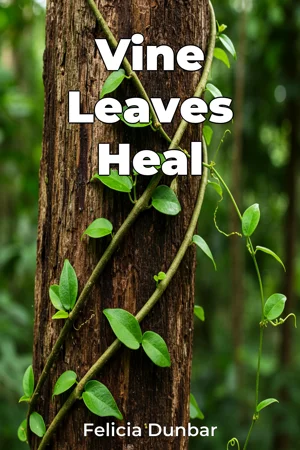
Can traditional healing practices and modern medicine coexist, offering the best of both worlds to underserved communities? "Vine Leaves Heal" explores this question through the lens of the Yanomami people of the Amazon rainforest, examining their complex relationship with healthcare and the challenges of integrating traditional medicine with Western clinical approaches. This book delves into the historical, social, and medical contexts that shape the Yanomami experience, seeking to understand how these two seemingly disparate systems can be harmonized to improve health outcomes. The central argument of "Vine Leaves Heal" is that a culturally sensitive and collaborative approach to healthcare, one that respects and integrates traditional Yanomami healing practices with modern medical interventions, can lead to more effective and sustainable healthcare solutions. This argument is crucial because it challenges the often-held assumption that Western medicine is inherently superior and highlights the potential benefits of incorporating indigenous knowledge into healthcare systems. The book emphasizes the importance of understanding the Yanomami worldview and the role of their traditional healers in maintaining community well-being. The book is structured to provide a comprehensive understanding of this complex issue. It begins by introducing the Yanomami people, their culture, and their traditional healing practices, detailing the significance of medicinal plants, shamanic rituals, and community-based care. The book then explores the history of Western medical interventions in Yanomami territory, examining the impact of clinics, vaccination campaigns, and pharmaceutical treatments. A critical section analyzes the challenges and opportunities of integrating these two systems, addressing issues such as cultural misunderstandings, access to care, and the sustainability of healthcare programs. Finally, the book culminates with practical recommendations for healthcare providers, policymakers, and researchers seeking to implement culturally sensitive and effective healthcare programs in indigenous communities. "Vine Leaves Heal" relies on a variety of evidence, including ethnographic research, interviews with Yanomami healers and community members, case studies of healthcare initiatives, and analysis of relevant medical and anthropological literature. Unique data sources include recordings of traditional healing ceremonies, interviews conducted in the Yanomami language (with transcriptions and translations), and detailed observations of interactions between Yanomami patients and Western medical practitioners. This book connects to several other fields of study, including medical anthropology, ethnomedicine, public health, and indigenous studies. By drawing on these disciplines, "Vine Leaves Heal" offers a holistic perspective on the challenges of healthcare delivery in indigenous communities and the potential for integrating traditional and modern medical practices. The book stands out by offering a balanced and nuanced perspective, avoiding romanticized depictions of traditional healing while also critically examining the limitations of Western medicine in this context. The tone of "Vine Leaves Heal" is scholarly yet accessible, aiming to engage both academic and general audiences. The writing style is clear, concise, and respectful, prioritizing accuracy and cultural sensitivity. The intended audience includes healthcare professionals, policymakers, researchers, students, and anyone interested in indigenous health, medical anthropology, or the challenges of providing healthcare in remote and underserved communities. This book is valuable to them because it offers practical insights and recommendations for improving healthcare outcomes and fostering cross-cultural understanding. As a work of history and medical general interest, "Vine Leaves Heal" adheres to the conventions of accuracy, objectivity, and clear presentation of evidence. However, it also incorporates elements of narrative non-fiction, using compelling stories and personal anecdotes to illustrate the human impact of healthcare policies and practices. While the book focuses specifically on the Yanomami people, its findings have broader implications for healthcare delivery in other indigenous communities and for the integration of traditional medicine into mainstream healthcare systems. The book acknowledges the limitations of its scope, recognizing that the Yanomami experience is unique and that generalizations should be made with caution. The information in "Vine Leaves Heal" can be applied practically by healthcare providers seeking to improve their cultural competence, by policymakers designing healthcare programs for indigenous communities, and by researchers studying the effectiveness of integrated healthcare approaches. The book addresses the ongoing debate about the role of traditional medicine in modern healthcare systems, acknowledging the challenges of validating traditional practices through Western scientific methods but also emphasizing the importance of respecting and valuing indigenous knowledge.
Can traditional healing practices and modern medicine coexist, offering the best of both worlds to underserved communities? "Vine Leaves Heal" explores this question through the lens of the Yanomami people of the Amazon rainforest, examining their complex relationship with healthcare and the challenges of integrating traditional medicine with Western clinical approaches. This book delves into the historical, social, and medical contexts that shape the Yanomami experience, seeking to understand how these two seemingly disparate systems can be harmonized to improve health outcomes. The central argument of "Vine Leaves Heal" is that a culturally sensitive and collaborative approach to healthcare, one that respects and integrates traditional Yanomami healing practices with modern medical interventions, can lead to more effective and sustainable healthcare solutions. This argument is crucial because it challenges the often-held assumption that Western medicine is inherently superior and highlights the potential benefits of incorporating indigenous knowledge into healthcare systems. The book emphasizes the importance of understanding the Yanomami worldview and the role of their traditional healers in maintaining community well-being. The book is structured to provide a comprehensive understanding of this complex issue. It begins by introducing the Yanomami people, their culture, and their traditional healing practices, detailing the significance of medicinal plants, shamanic rituals, and community-based care. The book then explores the history of Western medical interventions in Yanomami territory, examining the impact of clinics, vaccination campaigns, and pharmaceutical treatments. A critical section analyzes the challenges and opportunities of integrating these two systems, addressing issues such as cultural misunderstandings, access to care, and the sustainability of healthcare programs. Finally, the book culminates with practical recommendations for healthcare providers, policymakers, and researchers seeking to implement culturally sensitive and effective healthcare programs in indigenous communities. "Vine Leaves Heal" relies on a variety of evidence, including ethnographic research, interviews with Yanomami healers and community members, case studies of healthcare initiatives, and analysis of relevant medical and anthropological literature. Unique data sources include recordings of traditional healing ceremonies, interviews conducted in the Yanomami language (with transcriptions and translations), and detailed observations of interactions between Yanomami patients and Western medical practitioners. This book connects to several other fields of study, including medical anthropology, ethnomedicine, public health, and indigenous studies. By drawing on these disciplines, "Vine Leaves Heal" offers a holistic perspective on the challenges of healthcare delivery in indigenous communities and the potential for integrating traditional and modern medical practices. The book stands out by offering a balanced and nuanced perspective, avoiding romanticized depictions of traditional healing while also critically examining the limitations of Western medicine in this context. The tone of "Vine Leaves Heal" is scholarly yet accessible, aiming to engage both academic and general audiences. The writing style is clear, concise, and respectful, prioritizing accuracy and cultural sensitivity. The intended audience includes healthcare professionals, policymakers, researchers, students, and anyone interested in indigenous health, medical anthropology, or the challenges of providing healthcare in remote and underserved communities. This book is valuable to them because it offers practical insights and recommendations for improving healthcare outcomes and fostering cross-cultural understanding. As a work of history and medical general interest, "Vine Leaves Heal" adheres to the conventions of accuracy, objectivity, and clear presentation of evidence. However, it also incorporates elements of narrative non-fiction, using compelling stories and personal anecdotes to illustrate the human impact of healthcare policies and practices. While the book focuses specifically on the Yanomami people, its findings have broader implications for healthcare delivery in other indigenous communities and for the integration of traditional medicine into mainstream healthcare systems. The book acknowledges the limitations of its scope, recognizing that the Yanomami experience is unique and that generalizations should be made with caution. The information in "Vine Leaves Heal" can be applied practically by healthcare providers seeking to improve their cultural competence, by policymakers designing healthcare programs for indigenous communities, and by researchers studying the effectiveness of integrated healthcare approaches. The book addresses the ongoing debate about the role of traditional medicine in modern healthcare systems, acknowledging the challenges of validating traditional practices through Western scientific methods but also emphasizing the importance of respecting and valuing indigenous knowledge.
"Vine Leaves Heal" explores the intersection of traditional Yanomami healing practices and Western medicine in the Amazon rainforest. It examines how these two distinct systems can potentially coexist to improve healthcare outcomes for an underserved indigenous population. The book highlights the Yanomami's deep understanding of medicinal plants and shamanic rituals, which have historically played a vital role in community well-being. It also delves into the history of Western medical interventions, such as vaccination campaigns, and their impact on the Yanomami people, acknowledging the challenges of cultural misunderstandings and access to care. This study argues for a culturally sensitive approach that integrates traditional ethnomedicine with modern clinical practices, challenging the assumption of Western medicine's inherent superiority. Through ethnographic research and interviews, the book presents recordings of traditional healing ceremonies and detailed observations of interactions between Yanomami patients and Western medical practitioners. The book progresses by first introducing the Yanomami culture and healing traditions, then exploring the history of Western medical interventions, before finally discussing the challenges and opportunities of healthcare integration. It offers practical recommendations for healthcare providers and policymakers to foster effective and sustainable healthcare programs in indigenous communities.
Book Details
ISBN
9788235202147
Publisher
Publifye AS
Your Licenses
You don't own any licenses for this book
Purchase a license below to unlock this book and download the EPUB.
Purchase License
Select a tier to unlock this book
Need bulk licensing?
Contact us for enterprise agreements.