
About This Book
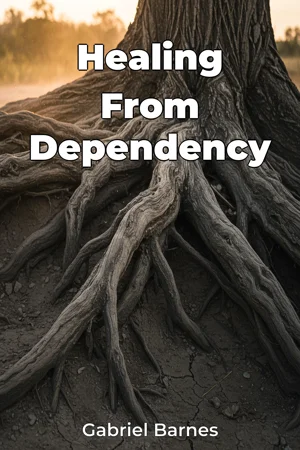
Are you caught in a cycle of dependency, feeling powerless to break free and reclaim your life? "Healing From Dependency" provides clear pathways toward emotional and physical recovery, offering a comprehensive guide to understanding and overcoming addictive behaviors and unhealthy attachments. This book addresses two core themes: the psychological underpinnings of dependency and practical strategies for achieving lasting freedom. Understanding the root causes of dependency is vital; without this knowledge, attempts at recovery are often superficial and short-lived. We delve into attachment theory, exploring how early childhood experiences can shape our relationships and create vulnerabilities to dependency in adulthood. We also examine the neurobiological aspects of addiction, illuminating how substances and behaviors can hijack the brain's reward system. The second key theme, practical strategies, equips you with actionable tools and techniques to navigate the recovery process. This includes cognitive-behavioral techniques for managing cravings and triggers, mindfulness practices for cultivating self-awareness, and strategies for building healthy relationships. Dependency, in its various forms, has been a persistent challenge throughout human history, significantly shaping social structures and individual well-being. This book acknowledges this complex history, drawing from contemporary psychological research and clinical practice to address the modern manifestations of dependency. This includes substance abuse, process addictions (like gambling or compulsive internet use), and unhealthy relational dependencies. The central argument of "Healing From Dependency" asserts that genuine and lasting recovery requires a holistic approach which addresses the interplay between psychological factors, neurobiological processes, and social contexts. The book does not offer a quick fix but rather a structured exploration of the recovery journey, emphasizing self-compassion, personal responsibility, and the cultivation of a supportive network. The book's structure begins by introducing the core concepts of dependency and attachment, establishing a foundation for understanding the various forms dependency can take. It then progresses through key areas: identifying the root causes of dependency, understanding the neurobiology of addiction, developing coping mechanisms for managing cravings and triggers, building healthy relationships, and cultivating self-compassion. Each chapter builds upon the previous one, culminating in a comprehensive plan for sustained recovery. Practical exercises and real-life examples are integrated throughout the book to reinforce key concepts and facilitate personal application. The evidence presented includes case studies drawn from clinical practice, findings from neuroscience research on addiction, and insights from attachment theory. The text incorporates data from surveys and clinical trials examining the effectiveness of different therapeutic interventions for addiction and dependency. "Healing From Dependency" draws connections to several disciplines, including psychology, neuroscience, sociology, and philosophy. The perspective of psychology helps us dissect the emotional and behavioral patterns with dependency. Neuroscience offers insight into the brain mechanisms involved in addictive behaviors. Sociology helps us understand the societal factors that contribute to dependency. Finally, philosophy provides a framework for exploring the meaning of life and values, which can assist in finding a path forward. What sets this book apart is its integrated approach, combining psychological insights with neurobiological findings and practical strategies for change. It also emphasizes the importance of self-compassion in the recovery process, acknowledging the challenges and setbacks that are inevitable on the path to healing. The writing style is accessible and engaging, avoiding technical jargon while maintaining scientific accuracy. The tone is compassionate and supportive, designed to empower readers to take control of their lives. This book is intended for anyone struggling with addiction, unhealthy attachments, or other forms of dependency. It is also a valuable resource for therapists, counselors, and other helping professionals who work with individuals facing these challenges. As a self-help book, it provides tools and techniques for self-assessment, reflection, and behavioral change, consistent with the conventions of the genre. It does not attempt to offer medical advice and emphasizes the importance of seeking professional help when needed. The scope is limited to exploring psychological and behavioral strategies for overcoming dependency, acknowledging that other approaches (such as medication) may be necessary in some cases. The principles and strategies outlined in the book can be applied in various real-world settings, including individual therapy, group counseling, and self-help programs. They can also be adapted for use in workplace wellness programs and other settings where individuals are seeking to improve their emotional and physical well-being. While the efficacy of different addiction treatment approaches is an ongoing area of research, our approach is scientifically validated and is backed by several case studies presented in the book.
Are you caught in a cycle of dependency, feeling powerless to break free and reclaim your life? "Healing From Dependency" provides clear pathways toward emotional and physical recovery, offering a comprehensive guide to understanding and overcoming addictive behaviors and unhealthy attachments. This book addresses two core themes: the psychological underpinnings of dependency and practical strategies for achieving lasting freedom. Understanding the root causes of dependency is vital; without this knowledge, attempts at recovery are often superficial and short-lived. We delve into attachment theory, exploring how early childhood experiences can shape our relationships and create vulnerabilities to dependency in adulthood. We also examine the neurobiological aspects of addiction, illuminating how substances and behaviors can hijack the brain's reward system. The second key theme, practical strategies, equips you with actionable tools and techniques to navigate the recovery process. This includes cognitive-behavioral techniques for managing cravings and triggers, mindfulness practices for cultivating self-awareness, and strategies for building healthy relationships. Dependency, in its various forms, has been a persistent challenge throughout human history, significantly shaping social structures and individual well-being. This book acknowledges this complex history, drawing from contemporary psychological research and clinical practice to address the modern manifestations of dependency. This includes substance abuse, process addictions (like gambling or compulsive internet use), and unhealthy relational dependencies. The central argument of "Healing From Dependency" asserts that genuine and lasting recovery requires a holistic approach which addresses the interplay between psychological factors, neurobiological processes, and social contexts. The book does not offer a quick fix but rather a structured exploration of the recovery journey, emphasizing self-compassion, personal responsibility, and the cultivation of a supportive network. The book's structure begins by introducing the core concepts of dependency and attachment, establishing a foundation for understanding the various forms dependency can take. It then progresses through key areas: identifying the root causes of dependency, understanding the neurobiology of addiction, developing coping mechanisms for managing cravings and triggers, building healthy relationships, and cultivating self-compassion. Each chapter builds upon the previous one, culminating in a comprehensive plan for sustained recovery. Practical exercises and real-life examples are integrated throughout the book to reinforce key concepts and facilitate personal application. The evidence presented includes case studies drawn from clinical practice, findings from neuroscience research on addiction, and insights from attachment theory. The text incorporates data from surveys and clinical trials examining the effectiveness of different therapeutic interventions for addiction and dependency. "Healing From Dependency" draws connections to several disciplines, including psychology, neuroscience, sociology, and philosophy. The perspective of psychology helps us dissect the emotional and behavioral patterns with dependency. Neuroscience offers insight into the brain mechanisms involved in addictive behaviors. Sociology helps us understand the societal factors that contribute to dependency. Finally, philosophy provides a framework for exploring the meaning of life and values, which can assist in finding a path forward. What sets this book apart is its integrated approach, combining psychological insights with neurobiological findings and practical strategies for change. It also emphasizes the importance of self-compassion in the recovery process, acknowledging the challenges and setbacks that are inevitable on the path to healing. The writing style is accessible and engaging, avoiding technical jargon while maintaining scientific accuracy. The tone is compassionate and supportive, designed to empower readers to take control of their lives. This book is intended for anyone struggling with addiction, unhealthy attachments, or other forms of dependency. It is also a valuable resource for therapists, counselors, and other helping professionals who work with individuals facing these challenges. As a self-help book, it provides tools and techniques for self-assessment, reflection, and behavioral change, consistent with the conventions of the genre. It does not attempt to offer medical advice and emphasizes the importance of seeking professional help when needed. The scope is limited to exploring psychological and behavioral strategies for overcoming dependency, acknowledging that other approaches (such as medication) may be necessary in some cases. The principles and strategies outlined in the book can be applied in various real-world settings, including individual therapy, group counseling, and self-help programs. They can also be adapted for use in workplace wellness programs and other settings where individuals are seeking to improve their emotional and physical well-being. While the efficacy of different addiction treatment approaches is an ongoing area of research, our approach is scientifically validated and is backed by several case studies presented in the book.
"Healing From Dependency" offers a comprehensive guide to understanding and overcoming the grip of addictive behaviors and unhealthy attachments. It explores the psychological roots of dependency, emphasizing how early childhood experiences, as explained by attachment theory, and the neurobiology of addiction contribute to these patterns. Did you know that addictive substances and behaviors can literally hijack the brain's reward system? This book provides actionable strategies, including cognitive-behavioral techniques and mindfulness practices, to manage cravings and triggers. The book progresses systematically, beginning with the core concepts of dependency and attachment before delving into the roots of dependency. From this point, the book explores the neurobiology of addiction. It then provides practical strategies for coping, building healthy relationships, and cultivating self-compassion. This integrated approach, combining psychological insights with neurobiological findings, sets this book apart. It emphasizes self-compassion, acknowledging the inevitable challenges on the path to addiction recovery and emotional recovery. Through self-help exercises and real-life examples, readers are empowered to take control and reclaim their lives, fostering a journey of healing from addiction and overcoming dependency.
Book Details
ISBN
9788235202055
Publisher
Publifye AS
Your Licenses
You don't own any licenses for this book
Purchase a license below to unlock this book and download the EPUB.
Purchase License
Select a tier to unlock this book
Need bulk licensing?
Contact us for enterprise agreements.