
About This Book
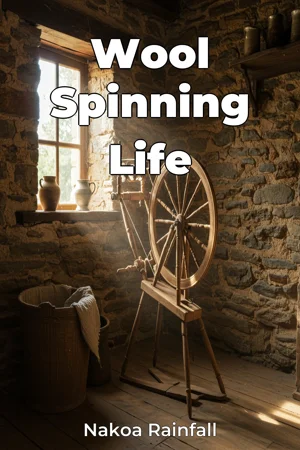
How did the simple act of spinning wool shape the lives and labor of families in pastoral regions? "Wool Spinning Life" delves into the multifaceted world of wool production, revealing its profound impact on family dynamics, economic structures, and social hierarchies in historical pastoral societies. This book examines not only the technical aspects of wool spinning but also the intricate web of family contributions that underpinned this crucial industry. This book explores three key themes: first, the technological evolution of wool spinning, from rudimentary hand methods to the introduction of spinning wheels and other innovations; second, the division of labor within families, highlighting the roles played by women, children, and men in the various stages of wool production; and third, the economic significance of wool spinning as both a source of income and a factor in shaping regional economies. These topics are vital as they shed light on the daily realities of life in pastoral communities and offer a nuanced understanding of the historical forces that shaped these societies. The narrative unfolds against a backdrop of evolving agricultural practices, fluctuating market demands, and shifting social norms. Understanding the historical context is crucial for appreciating the significance of wool spinning, as it was often intertwined with land ownership, trade networks, and power structures. The central argument of "Wool Spinning Life" is that wool spinning was not simply a cottage industry but a fundamental component of family economies and social fabrics in pastoral regions. Its importance extends beyond mere economic production, impacting gender roles, skill transmission, and community cohesion. The book is structured to provide a comprehensive overview of the subject. It begins by introducing the basic techniques of wool spinning and the historical context of its practice. The subsequent sections explore the gendered division of labor, examining how different family members contributed to the process and how these roles were influenced by societal expectations and economic pressures. Following this, the book analyzes the economic dimensions of wool spinning, focusing on its contribution to household income, regional trade, and the overall economy of pastoral regions. A dedicated chapter examines the social impacts of wool spinning, including its role in shaping community identities and social hierarchies. Finally, the book concludes by discussing the legacy of wool spinning and its relevance to contemporary studies of labor, family history, and textile production. "Wool Spinning Life" draws upon a variety of historical sources, including census records, estate inventories, trade documents, and personal accounts, to provide a vivid and nuanced portrayal of wool spinning life. The book also incorporates insights from material culture studies, examining spinning tools and textiles as sources of historical information. This book connects to several other fields of study, including economic history, gender studies, and textile history. By integrating these perspectives, the book offers a more complete and insightful analysis of wool spinning and its impact on family life. What sets this book apart is its focus on the family as the primary unit of analysis, offering a bottom-up perspective on the history of wool spinning. This unique approach allows for a richer understanding of the lived experiences of those involved in wool production and the complexities of their social and economic lives. The writing style maintains an academic yet accessible tone. "Wool Spinning Life" is aimed at students, researchers, and general readers interested in social science, history, economic history, and gender studies, offering valuable insights into the daily lives of families in pastoral regions and the economic and social significance of wool spinning. As a work of social science history, "Wool Spinning Life" adheres and expands on the conventions of historical research by employing primary source analysis and rigorous contextualization. The scope of the book is intentionally limited to pastoral regions, allowing for an in-depth exploration of the specific conditions and challenges faced by these communities. Readers can apply the insights gained from this book to understand broader patterns of family labor, economic development, and social change in historical contexts. While the book primarily focuses on the historical aspects of wool spinning, it also touches upon ongoing debates concerning the exploitation of labor and the environmental impact of textile production. By examining these issues in a historical context, the book offers valuable perspectives on contemporary challenges.
How did the simple act of spinning wool shape the lives and labor of families in pastoral regions? "Wool Spinning Life" delves into the multifaceted world of wool production, revealing its profound impact on family dynamics, economic structures, and social hierarchies in historical pastoral societies. This book examines not only the technical aspects of wool spinning but also the intricate web of family contributions that underpinned this crucial industry. This book explores three key themes: first, the technological evolution of wool spinning, from rudimentary hand methods to the introduction of spinning wheels and other innovations; second, the division of labor within families, highlighting the roles played by women, children, and men in the various stages of wool production; and third, the economic significance of wool spinning as both a source of income and a factor in shaping regional economies. These topics are vital as they shed light on the daily realities of life in pastoral communities and offer a nuanced understanding of the historical forces that shaped these societies. The narrative unfolds against a backdrop of evolving agricultural practices, fluctuating market demands, and shifting social norms. Understanding the historical context is crucial for appreciating the significance of wool spinning, as it was often intertwined with land ownership, trade networks, and power structures. The central argument of "Wool Spinning Life" is that wool spinning was not simply a cottage industry but a fundamental component of family economies and social fabrics in pastoral regions. Its importance extends beyond mere economic production, impacting gender roles, skill transmission, and community cohesion. The book is structured to provide a comprehensive overview of the subject. It begins by introducing the basic techniques of wool spinning and the historical context of its practice. The subsequent sections explore the gendered division of labor, examining how different family members contributed to the process and how these roles were influenced by societal expectations and economic pressures. Following this, the book analyzes the economic dimensions of wool spinning, focusing on its contribution to household income, regional trade, and the overall economy of pastoral regions. A dedicated chapter examines the social impacts of wool spinning, including its role in shaping community identities and social hierarchies. Finally, the book concludes by discussing the legacy of wool spinning and its relevance to contemporary studies of labor, family history, and textile production. "Wool Spinning Life" draws upon a variety of historical sources, including census records, estate inventories, trade documents, and personal accounts, to provide a vivid and nuanced portrayal of wool spinning life. The book also incorporates insights from material culture studies, examining spinning tools and textiles as sources of historical information. This book connects to several other fields of study, including economic history, gender studies, and textile history. By integrating these perspectives, the book offers a more complete and insightful analysis of wool spinning and its impact on family life. What sets this book apart is its focus on the family as the primary unit of analysis, offering a bottom-up perspective on the history of wool spinning. This unique approach allows for a richer understanding of the lived experiences of those involved in wool production and the complexities of their social and economic lives. The writing style maintains an academic yet accessible tone. "Wool Spinning Life" is aimed at students, researchers, and general readers interested in social science, history, economic history, and gender studies, offering valuable insights into the daily lives of families in pastoral regions and the economic and social significance of wool spinning. As a work of social science history, "Wool Spinning Life" adheres and expands on the conventions of historical research by employing primary source analysis and rigorous contextualization. The scope of the book is intentionally limited to pastoral regions, allowing for an in-depth exploration of the specific conditions and challenges faced by these communities. Readers can apply the insights gained from this book to understand broader patterns of family labor, economic development, and social change in historical contexts. While the book primarily focuses on the historical aspects of wool spinning, it also touches upon ongoing debates concerning the exploitation of labor and the environmental impact of textile production. By examining these issues in a historical context, the book offers valuable perspectives on contemporary challenges.
"Wool Spinning Life" explores the central role of wool spinning in shaping family life, economic structures, and social hierarchies within historical pastoral societies. This work illuminates not only the technical aspects of textile production but also the intricate web of family contributions that sustained this vital industry. Readers will discover that wool spinning was more than just a cottage industry; it was a fundamental component of family economies and social fabrics. Additionally, the book highlights how societal expectations influenced the gendered division of labor, with women, children, and men each playing distinct roles in the process. The book adopts a bottom-up perspective, focusing on the family as the primary unit of analysis, thus offering a richer understanding of lived experiences. It progresses by first introducing wool spinning techniques and their historical context. Subsequent sections examine the gendered division of labor and the economic dimensions of wool spinning. A final section analyzes the social impacts, including its role in shaping community identities and social hierarchies. By delving into historical sources like census records and trade documents, the book paints a vivid picture of wool spinning's influence on social change.
Book Details
ISBN
9788235201850
Publisher
Publifye AS
Your Licenses
You don't own any licenses for this book
Purchase a license below to unlock this book and download the EPUB.
Purchase License
Select a tier to unlock this book
Need bulk licensing?
Contact us for enterprise agreements.