
About This Book
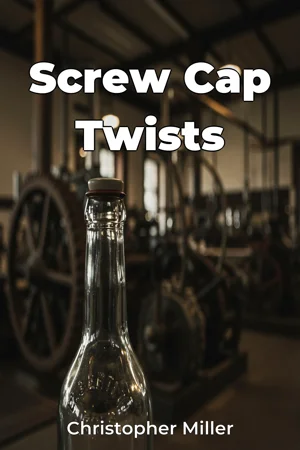
Have you ever considered the profound impact of a simple twist? "Screw Cap Twists" delves into the surprisingly rich history and technological evolution of the screw cap, transforming what seems like a mundane object into a lens through which we can examine industrial innovation, consumer culture, and the dynamics of global trade. This book explores not just the mechanics of the screw cap, but its journey from a nascent idea in the 1870s to its ubiquitous presence in modern bottling and packaging. We will explore two key topics: the design innovations that improved sealing ease and efficiency, and the social and economic factors that drove its adoption across various industries. These topics are relevant because the screw cap's evolution mirrors broader trends in engineering, materials science, and marketing, offering insights into how technological advancements shape our daily lives. The book begins by establishing the historical context, examining the state of bottling technology in the late 19th century. Early sealing methods, like cork stoppers held in place with wires, were often unreliable and prone to spoilage. The emergence of the screw cap represented an attempt to overcome these limitations, spurred by the growing demand for mass-produced, shelf-stable goods. No prior expert knowledge is needed; we will build our understanding from the ground up. The central argument of "Screw Cap Twists" is that the screw cap is more than just a closure; it is a symbol of the ongoing quest for efficiency, convenience, and reliability in the packaging industry. Its development reflects a continuous process of refinement, influenced by materials science, manufacturing techniques, and consumer preferences. Understanding this evolution provides valuable insights into the broader dynamics of technological innovation and its impact on society. The book is structured as follows: a) Introduction of early closure methods and the initial emergence of screw cap technology. b) Chapters dedicated to advancements in materials science and engineering that improved the caps' ability to create secure and airtight seals. c) An examination of the historical data from bottling practices, starting in the 1870s, to show the evolution of the screw cap in its earliest forms. d) A discussion of the screw cap's impact across industries, from beverages to pharmaceuticals. e) Culmination of the argument demonstrating the screw cap's continuing relevance. The evidence presented will include historical patents, manufacturing data, analyses of bottling practices, and case studies of companies that played pivotal roles in the screw cap's development. Furthermore, we will assess archival materials and conduct detailed research to provide original insights on the subject. The book connects interdisciplinary fields, particularly engineering, marketing, and economics. Engineering principles are crucial for understanding the mechanics of the screw cap and the materials used in its construction. Marketing strategies influenced its adoption by highlighting its convenience and reliability. Economic factors determined its cost-effectiveness compared to alternative closure methods. This book stands out by taking a comprehensive look at a seemingly simple object and revealing its complex history and multifaceted significance. Rather than focusing solely on technical specifications, it contextualizes the screw cap within broader historical, social, and economic trends. The tone is informative and accessible, aimed at engaging a broad audience interested in history, technology, and the evolution of everyday objects. While grounded in research, the writing style avoids excessive jargon and strives to present information in a clear and engaging manner. The target audience includes readers interested in the history of technology, business innovation, and the evolution of consumer products. It would also be a valuable resource for students and professionals in engineering, marketing, and packaging. As a work of non-fiction history and technology, the book adheres to the genre's conventions by presenting factual information, supporting claims with evidence, and providing clear citations. It explores the history of the screw cap, its technological development, and its application in different industries, avoiding speculative or fictional elements. The scope of the book is intentionally broad, covering the history of the screw cap from its origins to its current state. However, it focuses primarily on the design and adoption of screw caps in the bottling industry, rather than delving into niche applications in other fields. The information in the book can be applied practically by readers interested in product design, manufacturing processes, and marketing strategies. It offers insights into how technological innovations are developed, adopted, and adapted over time. While the screw cap enjoys widespread use, debates persist regarding its environmental impact compared to alternative closures. The book will address these concerns by examining the materials used in screw cap construction, the recyclability of different types of caps, and the industry's ongoing efforts to develop more sustainable packaging solutions. "Screw Cap Twists" offers a captivating journey into the surprisingly intricate world of a common object, revealing its profound influence on our lives.
Have you ever considered the profound impact of a simple twist? "Screw Cap Twists" delves into the surprisingly rich history and technological evolution of the screw cap, transforming what seems like a mundane object into a lens through which we can examine industrial innovation, consumer culture, and the dynamics of global trade. This book explores not just the mechanics of the screw cap, but its journey from a nascent idea in the 1870s to its ubiquitous presence in modern bottling and packaging. We will explore two key topics: the design innovations that improved sealing ease and efficiency, and the social and economic factors that drove its adoption across various industries. These topics are relevant because the screw cap's evolution mirrors broader trends in engineering, materials science, and marketing, offering insights into how technological advancements shape our daily lives. The book begins by establishing the historical context, examining the state of bottling technology in the late 19th century. Early sealing methods, like cork stoppers held in place with wires, were often unreliable and prone to spoilage. The emergence of the screw cap represented an attempt to overcome these limitations, spurred by the growing demand for mass-produced, shelf-stable goods. No prior expert knowledge is needed; we will build our understanding from the ground up. The central argument of "Screw Cap Twists" is that the screw cap is more than just a closure; it is a symbol of the ongoing quest for efficiency, convenience, and reliability in the packaging industry. Its development reflects a continuous process of refinement, influenced by materials science, manufacturing techniques, and consumer preferences. Understanding this evolution provides valuable insights into the broader dynamics of technological innovation and its impact on society. The book is structured as follows: a) Introduction of early closure methods and the initial emergence of screw cap technology. b) Chapters dedicated to advancements in materials science and engineering that improved the caps' ability to create secure and airtight seals. c) An examination of the historical data from bottling practices, starting in the 1870s, to show the evolution of the screw cap in its earliest forms. d) A discussion of the screw cap's impact across industries, from beverages to pharmaceuticals. e) Culmination of the argument demonstrating the screw cap's continuing relevance. The evidence presented will include historical patents, manufacturing data, analyses of bottling practices, and case studies of companies that played pivotal roles in the screw cap's development. Furthermore, we will assess archival materials and conduct detailed research to provide original insights on the subject. The book connects interdisciplinary fields, particularly engineering, marketing, and economics. Engineering principles are crucial for understanding the mechanics of the screw cap and the materials used in its construction. Marketing strategies influenced its adoption by highlighting its convenience and reliability. Economic factors determined its cost-effectiveness compared to alternative closure methods. This book stands out by taking a comprehensive look at a seemingly simple object and revealing its complex history and multifaceted significance. Rather than focusing solely on technical specifications, it contextualizes the screw cap within broader historical, social, and economic trends. The tone is informative and accessible, aimed at engaging a broad audience interested in history, technology, and the evolution of everyday objects. While grounded in research, the writing style avoids excessive jargon and strives to present information in a clear and engaging manner. The target audience includes readers interested in the history of technology, business innovation, and the evolution of consumer products. It would also be a valuable resource for students and professionals in engineering, marketing, and packaging. As a work of non-fiction history and technology, the book adheres to the genre's conventions by presenting factual information, supporting claims with evidence, and providing clear citations. It explores the history of the screw cap, its technological development, and its application in different industries, avoiding speculative or fictional elements. The scope of the book is intentionally broad, covering the history of the screw cap from its origins to its current state. However, it focuses primarily on the design and adoption of screw caps in the bottling industry, rather than delving into niche applications in other fields. The information in the book can be applied practically by readers interested in product design, manufacturing processes, and marketing strategies. It offers insights into how technological innovations are developed, adopted, and adapted over time. While the screw cap enjoys widespread use, debates persist regarding its environmental impact compared to alternative closures. The book will address these concerns by examining the materials used in screw cap construction, the recyclability of different types of caps, and the industry's ongoing efforts to develop more sustainable packaging solutions. "Screw Cap Twists" offers a captivating journey into the surprisingly intricate world of a common object, revealing its profound influence on our lives.
"Screw Cap Twists" explores the fascinating history of the screw cap, transforming this seemingly simple object into a lens for examining industrial innovation and consumer culture. From its humble beginnings in the late 19th century, driven by the need for reliable sealing methods, the screw cap's evolution mirrors broader trends in engineering and materials science. For example, early bottling methods relied on unreliable corks, making the screw cap a revolutionary step forward in preserving goods. The book examines how advancements in design and materials improved the caps' ability to create secure seals, influencing its adoption across industries from beverages to pharmaceuticals. The book argues that the screw cap symbolizes the ongoing quest for efficiency and convenience in packaging. Chapters progress chronologically, starting with early closure methods and culminating in the screw cap's continuing relevance. Readers will discover how marketing strategies and economic factors played crucial roles in its widespread adoption, highlighting its cost-effectiveness and convenience. This comprehensive look contextualizes the screw cap within broader historical, social, and economic trends, making it valuable for anyone interested in the history of technology and business innovation.
Book Details
ISBN
9788235201706
Publisher
Publifye AS
Your Licenses
You don't own any licenses for this book
Purchase a license below to unlock this book and download the EPUB.
Purchase License
Select a tier to unlock this book
Need bulk licensing?
Contact us for enterprise agreements.