
About This Book
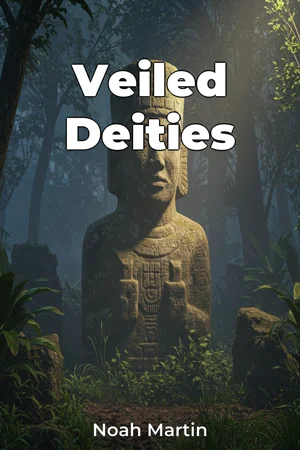
Have you ever wondered about the enigmatic figures lurking just beyond the accepted narratives of religious history? "Veiled Deities" delves into the shadowy corners of spirituality to uncover the hidden roles and untold stories of mysterious gods and religious figures whose influence has been deliberately obscured or subtly reshaped over time. This book examines how these figures have shaped belief systems, influenced historical events, and continue to resonate within contemporary spiritual practices. We explore three principal interwoven themes. First, we investigate the phenomenon of deity suppression and assimilation, tracing how dominant religions historically absorbed or demonized the gods of conquered or competing cultures. Second, we analyze the impact of esoteric traditions and secret societies on preserving alternative narratives surrounding these veiled deities, examining how their teachings maintained and transformed ancient beliefs. Finally, we consider the psychological and sociological functions served by these obscured figures, exploring how they represent repressed aspects of the human experience and provide alternative frameworks for understanding power, gender, and the divine. "Veiled Deities" provides essential context by examining the socio-political forces that have shaped religious narratives throughout history. We will consider how early Christian theologians reinterpreted pagan deities, how colonial powers suppressed indigenous spiritual practices, and how modern scholarship continues to grapple with biased historical accounts. The central argument posits that understanding these suppressed religious figures is crucial to achieving a more nuanced and complete understanding of the evolution of religious thought and its impact on human civilization. The book begins by establishing the theoretical framework for understanding the phenomenon of "veiled deities," drawing upon historical, anthropological, and psychological perspectives. It proceeds with an exploration of specific case studies: the reinterpretation of ancient goddesses in patriarchal societies, the demonization of indigenous deities during periods of colonization, and the persistence of hidden gods within esoteric spiritual traditions. This is followed by an analysis of several specific figures from various pantheons, and the text culminates in a discussion of the ongoing relevance of these hidden figures in contemporary spiritual movements and their potential for personal and social transformation. The book employs a diverse range of evidence, including primary source analysis of ancient texts, archaeological findings, anthropological studies of contemporary religious practices, and comparative analyses of different belief systems. A unique element lies in cross-referencing mythology with historical and social data, offering fresh insights into the origins and evolution of these veiled deities. Interdisciplinary connections are vital to our approach. We draw from history to understand the sociopolitical context, from anthropology to examine cross-cultural religious practices, and from psychology to explore the archetypal significance of these figures. Highlighting the often-overlooked link between mythology, cultural narratives, and psychological realities. "Veiled Deities" adopts a fact-based, scholarly, and accessible approach, aiming to present complex information in a clear and engaging manner. It is targeted towards readers with an interest in religious history, mythology, spirituality, and cultural studies. It will particularly appeal to those seeking alternative perspectives on religious history and its relevance to the modern world as well as readers interested in comparative religion, mythology, and the psychology of religious belief. The book's scope encompasses a wide range of cultures and time periods but intentionally focuses on examples where there is substantial evidence of deliberate suppression, alteration, or misrepresentation of deities. The aim is not to provide an exhaustive account of every religious figure but to offer a framework for understanding the dynamics of religious power and interpretation. The information presented offers practical applications for readers interested in exploring their own spiritual beliefs and practices. By understanding how religious narratives have been shaped over time, readers can critically evaluate the sources of their own beliefs and potentially discover new avenues for personal and spiritual growth. The study of veiled deities by necessity involves confronting numerous debates within religious studies and theology. The demonization of certain figures and idealization of others often reflects profound cultural biases. This book tackles these debates head-on, examining the controversies surrounding the interpretation of religious texts and the impact of power dynamics on shaping religious beliefs.
Have you ever wondered about the enigmatic figures lurking just beyond the accepted narratives of religious history? "Veiled Deities" delves into the shadowy corners of spirituality to uncover the hidden roles and untold stories of mysterious gods and religious figures whose influence has been deliberately obscured or subtly reshaped over time. This book examines how these figures have shaped belief systems, influenced historical events, and continue to resonate within contemporary spiritual practices. We explore three principal interwoven themes. First, we investigate the phenomenon of deity suppression and assimilation, tracing how dominant religions historically absorbed or demonized the gods of conquered or competing cultures. Second, we analyze the impact of esoteric traditions and secret societies on preserving alternative narratives surrounding these veiled deities, examining how their teachings maintained and transformed ancient beliefs. Finally, we consider the psychological and sociological functions served by these obscured figures, exploring how they represent repressed aspects of the human experience and provide alternative frameworks for understanding power, gender, and the divine. "Veiled Deities" provides essential context by examining the socio-political forces that have shaped religious narratives throughout history. We will consider how early Christian theologians reinterpreted pagan deities, how colonial powers suppressed indigenous spiritual practices, and how modern scholarship continues to grapple with biased historical accounts. The central argument posits that understanding these suppressed religious figures is crucial to achieving a more nuanced and complete understanding of the evolution of religious thought and its impact on human civilization. The book begins by establishing the theoretical framework for understanding the phenomenon of "veiled deities," drawing upon historical, anthropological, and psychological perspectives. It proceeds with an exploration of specific case studies: the reinterpretation of ancient goddesses in patriarchal societies, the demonization of indigenous deities during periods of colonization, and the persistence of hidden gods within esoteric spiritual traditions. This is followed by an analysis of several specific figures from various pantheons, and the text culminates in a discussion of the ongoing relevance of these hidden figures in contemporary spiritual movements and their potential for personal and social transformation. The book employs a diverse range of evidence, including primary source analysis of ancient texts, archaeological findings, anthropological studies of contemporary religious practices, and comparative analyses of different belief systems. A unique element lies in cross-referencing mythology with historical and social data, offering fresh insights into the origins and evolution of these veiled deities. Interdisciplinary connections are vital to our approach. We draw from history to understand the sociopolitical context, from anthropology to examine cross-cultural religious practices, and from psychology to explore the archetypal significance of these figures. Highlighting the often-overlooked link between mythology, cultural narratives, and psychological realities. "Veiled Deities" adopts a fact-based, scholarly, and accessible approach, aiming to present complex information in a clear and engaging manner. It is targeted towards readers with an interest in religious history, mythology, spirituality, and cultural studies. It will particularly appeal to those seeking alternative perspectives on religious history and its relevance to the modern world as well as readers interested in comparative religion, mythology, and the psychology of religious belief. The book's scope encompasses a wide range of cultures and time periods but intentionally focuses on examples where there is substantial evidence of deliberate suppression, alteration, or misrepresentation of deities. The aim is not to provide an exhaustive account of every religious figure but to offer a framework for understanding the dynamics of religious power and interpretation. The information presented offers practical applications for readers interested in exploring their own spiritual beliefs and practices. By understanding how religious narratives have been shaped over time, readers can critically evaluate the sources of their own beliefs and potentially discover new avenues for personal and spiritual growth. The study of veiled deities by necessity involves confronting numerous debates within religious studies and theology. The demonization of certain figures and idealization of others often reflects profound cultural biases. This book tackles these debates head-on, examining the controversies surrounding the interpretation of religious texts and the impact of power dynamics on shaping religious beliefs.
"Veiled Deities" explores the intriguing world of obscured religious figures and suppressed spiritual narratives, examining how certain deities have been deliberately hidden or reshaped throughout history. It delves into the phenomenon of deity suppression, revealing how dominant religions often absorbed or demonized the gods of competing cultures. The book also highlights the role of esoteric traditions in preserving alternative narratives, illustrating how these hidden figures offer alternative frameworks for understanding power and the divine. The book examines the socio-political forces that have shaped religious narratives, providing historical context and exploring the psychological impact of these veiled figures. For instance, early Christian theologians reinterpreted pagan deities, while colonial powers suppressed indigenous spiritual practices. Beginning with a theoretical framework and progressing through case studies, the book analyzes specific figures and concludes with a discussion of their relevance in contemporary spiritual movements. Employing a fact-based, scholarly approach, "Veiled Deities" aims to present complex information in an accessible manner. By cross-referencing mythology with historical and social data, it offers fresh insights into the origins and evolution of these veiled deities, making it valuable for those interested in religious history, comparative religion, and the psychology of religious belief.
Book Details
ISBN
9788235201683
Publisher
Publifye AS
Your Licenses
You don't own any licenses for this book
Purchase a license below to unlock this book and download the EPUB.
Purchase License
Select a tier to unlock this book
Need bulk licensing?
Contact us for enterprise agreements.