
About This Book
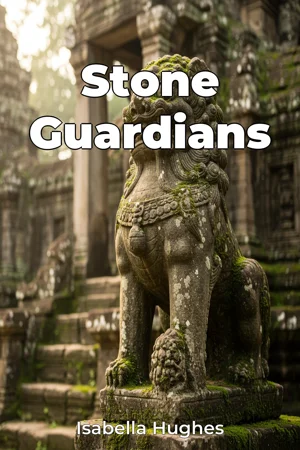
From ancient temples to modern city squares, why have humans throughout history consistently chosen to represent their most profound beliefs and values through stone figures? "Stone Guardians" explores the enduring significance of statues and sculpted figures as symbols of protection, wisdom, and religious devotion across diverse cultures and eras. This book delves into the multifaceted roles these enduring forms play in shaping human perception, belief systems, and societal structures. "Stone Guardians" primarily focuses on two key interwoven aspects: the evolution of stone figures as symbols of protection and wisdom, and their central function within various religious practices. These topics are vital because they reveal how societies imbue inanimate objects with profound meaning, transforming them into powerful cultural artifacts that reflect and reinforce core values. Understanding these processes offers insights into the collective human psyche and the ways societies construct and maintain their identities. The historical backdrop spans millennia, tracing the development of stone figures from prehistoric totems to monumental sculptures of antiquity, the medieval period, and contemporary art. Socially, the book considers how these figures interact with, and are informed by, the political landscapes in which they are placed. The central argument is that stone figures serve as tangible embodiments of intangible concepts, functioning as guardians and conduits between the human and the divine, the present and the past, and the individual and the collective. This argument is crucial because it challenges the perception of statues as mere aesthetic objects, repositioning them as active participants in shaping human experience and belief. The book unfolds in three major sections. The first section introduces the fundamental concepts of symbolism, iconography, and the cultural significance of stone. The second section examines specific examples of stone figures across different cultures and time periods, analyzing their symbolic meanings and socio-political roles in ancient Egypt, classical Greece, various Asian traditions, and beyond. This section highlights how stone figures are not universal, but rather are often imbued with very specific meanings within a culture. The third section culminates in an analysis of the enduring appeal of stone figures in the modern world and discusses their implications for contemporary art and religious expression, along with evolving interpretations and purposes. Evidence will be drawn from archaeological findings, art historical analysis, religious texts, and anthropological studies. Unique data sources include comparative analyses of sculptural styles, ritual practices associated with stone figures, and the socio-political contexts in which they were created and displayed. "Stone Guardians" connects to several interdisciplinary fields, including art history, religious studies, and anthropology. These connections enrich the analysis by providing diverse perspectives on the creation, interpretation, and function of stone figures. It also touches on political science when reviewing the cultural impact of the figures. The book adopts a balanced and informed approach, presenting information in a clear and accessible style suitable for both academic and general audiences. While scholarly, the writing avoids excessive jargon, making it engaging for anyone interested in art, religion, or cultural history. The target audience includes students of art history, religious studies, and anthropology, as well as general readers interested in exploring the intersection of art, culture, and belief. The book's value lies in its comprehensive overview of a pervasive yet often overlooked aspect of human culture: the enduring power of stone figures. As a work of non-fiction in the areas of religion and art, the book adheres to principles of factual accuracy, rigorous research, and balanced interpretation. It acknowledges the inherent subjectivity in interpreting symbols and cultural artifacts, emphasizing the importance of contextual analysis and diverse perspectives. The book's scope is broad, encompassing a wide range of cultures and historical periods, but it is intentionally limited to stone figures, excluding other forms of sculpture. This focus allows for a more in-depth exploration of the unique properties and symbolic associations of stone. The information presented can be applied practically by readers in various ways, such as enhancing their understanding and appreciation of art and religious sites, providing a framework for interpreting visual symbols, and fostering a deeper awareness of cultural diversity. The book also touches on the ongoing debates surrounding the repatriation of cultural artifacts and the ethical considerations involved in displaying religious objects in secular contexts. These debates add another layer of complexity to the study of stone figures, highlighting the importance of responsible stewardship and cultural sensitivity.
From ancient temples to modern city squares, why have humans throughout history consistently chosen to represent their most profound beliefs and values through stone figures? "Stone Guardians" explores the enduring significance of statues and sculpted figures as symbols of protection, wisdom, and religious devotion across diverse cultures and eras. This book delves into the multifaceted roles these enduring forms play in shaping human perception, belief systems, and societal structures. "Stone Guardians" primarily focuses on two key interwoven aspects: the evolution of stone figures as symbols of protection and wisdom, and their central function within various religious practices. These topics are vital because they reveal how societies imbue inanimate objects with profound meaning, transforming them into powerful cultural artifacts that reflect and reinforce core values. Understanding these processes offers insights into the collective human psyche and the ways societies construct and maintain their identities. The historical backdrop spans millennia, tracing the development of stone figures from prehistoric totems to monumental sculptures of antiquity, the medieval period, and contemporary art. Socially, the book considers how these figures interact with, and are informed by, the political landscapes in which they are placed. The central argument is that stone figures serve as tangible embodiments of intangible concepts, functioning as guardians and conduits between the human and the divine, the present and the past, and the individual and the collective. This argument is crucial because it challenges the perception of statues as mere aesthetic objects, repositioning them as active participants in shaping human experience and belief. The book unfolds in three major sections. The first section introduces the fundamental concepts of symbolism, iconography, and the cultural significance of stone. The second section examines specific examples of stone figures across different cultures and time periods, analyzing their symbolic meanings and socio-political roles in ancient Egypt, classical Greece, various Asian traditions, and beyond. This section highlights how stone figures are not universal, but rather are often imbued with very specific meanings within a culture. The third section culminates in an analysis of the enduring appeal of stone figures in the modern world and discusses their implications for contemporary art and religious expression, along with evolving interpretations and purposes. Evidence will be drawn from archaeological findings, art historical analysis, religious texts, and anthropological studies. Unique data sources include comparative analyses of sculptural styles, ritual practices associated with stone figures, and the socio-political contexts in which they were created and displayed. "Stone Guardians" connects to several interdisciplinary fields, including art history, religious studies, and anthropology. These connections enrich the analysis by providing diverse perspectives on the creation, interpretation, and function of stone figures. It also touches on political science when reviewing the cultural impact of the figures. The book adopts a balanced and informed approach, presenting information in a clear and accessible style suitable for both academic and general audiences. While scholarly, the writing avoids excessive jargon, making it engaging for anyone interested in art, religion, or cultural history. The target audience includes students of art history, religious studies, and anthropology, as well as general readers interested in exploring the intersection of art, culture, and belief. The book's value lies in its comprehensive overview of a pervasive yet often overlooked aspect of human culture: the enduring power of stone figures. As a work of non-fiction in the areas of religion and art, the book adheres to principles of factual accuracy, rigorous research, and balanced interpretation. It acknowledges the inherent subjectivity in interpreting symbols and cultural artifacts, emphasizing the importance of contextual analysis and diverse perspectives. The book's scope is broad, encompassing a wide range of cultures and historical periods, but it is intentionally limited to stone figures, excluding other forms of sculpture. This focus allows for a more in-depth exploration of the unique properties and symbolic associations of stone. The information presented can be applied practically by readers in various ways, such as enhancing their understanding and appreciation of art and religious sites, providing a framework for interpreting visual symbols, and fostering a deeper awareness of cultural diversity. The book also touches on the ongoing debates surrounding the repatriation of cultural artifacts and the ethical considerations involved in displaying religious objects in secular contexts. These debates add another layer of complexity to the study of stone figures, highlighting the importance of responsible stewardship and cultural sensitivity.
"Stone Guardians" explores the fascinating world of stone figures and their enduring significance across cultures. From ancient temples to modern art, these sculptures act as more than mere decoration; they embody profound beliefs, offer protection, and symbolize wisdom. The book delves into how societies invest inanimate objects with deep meaning, transforming them into powerful cultural artifacts. Understanding this process unlocks insights into the collective human psyche. The book examines the evolution of religious art, cultural symbolism, and iconography associated with stone figures. It traces their development from prehistoric times to the present day, analyzing their symbolic meanings and socio-political roles. For example, ancient Egyptian statues served as conduits to the afterlife, while classical Greek sculptures embodied ideal human forms. The book unfolds in three parts, beginning with fundamental concepts, then examining specific cultural examples, and culminating in an analysis of their modern relevance. "Stone Guardians" offers a balanced and accessible exploration of this pervasive aspect of human culture. By drawing on art history, religious studies, and anthropology, the book provides a comprehensive overview suitable for students, academics, and anyone interested in the intersection of art, culture, and belief systems. Ultimately, it challenges the perception of statues as mere objects, revealing their active role in shaping human experience.
Book Details
ISBN
9788235201676
Publisher
Publifye AS
Your Licenses
You don't own any licenses for this book
Purchase a license below to unlock this book and download the EPUB.
Purchase License
Select a tier to unlock this book
Need bulk licensing?
Contact us for enterprise agreements.