
About This Book
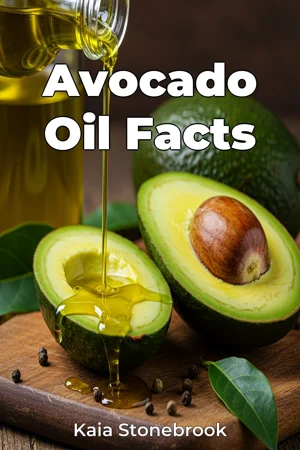
Did you know that the vibrant green fruit gracing your guacamole can also yield a culinary oil with remarkable properties? "Avocado Oil Facts" delves into the science and art behind this increasingly popular oil, exploring its extraction, composition, and diverse applications in the kitchen. This book is essential reading for anyone seeking a deeper understanding of healthy fats, innovative cooking techniques, or the expanding world of culinary oils beyond the standard olive and vegetable varieties. We will tackle three primary areas: the mechanical and chemical processes involved in extracting avocado oil, the unique fatty acid profile and its implications for both cooking and health, and the diverse range of culinary applications, from high-heat searing to delicate salad dressings. Understanding these aspects is crucial because avocado oil presents a compelling alternative to other cooking oils, offering a unique blend of flavor, nutritional benefits, and versatility. A brief historical overview of avocado cultivation and early processing methods will provide context, followed by a discussion of modern extraction techniques, highlighting both cold-pressing and solvent-based methods. The chemical composition of avocado oil, rich in monounsaturated fats and antioxidants, will be analyzed in detail, comparing it to other common cooking oils. The central argument is that avocado oil, due to its unique chemical composition and extraction methods, is a versatile and healthful culinary oil suitable for a wide range of cooking applications. This argument is important because it challenges traditional notions about cooking oils and presents avocado oil as a viable, and often superior, alternative. The book begins with an introduction to avocado oil production and its nutritional profile. Then, it explores the extraction process, contrasting different methods and their impact on oil quality. Next, the book examines the health benefits, supported by scientific research, focusing on its impact on cholesterol levels and its anti-inflammatory properties. The following chapters highlight its culinary uses, providing practical guidance on selecting the right type of avocado oil, using it in various cooking techniques, and incorporating it into different recipes. The culmination of the argument is a comprehensive assessment of avocado oil's advantages and limitations compared to other cooking oils, followed by a forward-looking perspective on its future in the culinary world. Evidence includes scientific studies on fatty acid composition, research on the health effects of monounsaturated fats, and comparative analyses of different cooking oils. Data sources include peer-reviewed scientific journals, industry reports, and culinary studies. This book connects to several interdisciplinary fields. Firstly, it intersects with nutrition science by exploring the health benefits of avocado oil's fatty acid profile. Secondly, it relates to agricultural science through the study of avocado cultivation and sustainable farming practices. Finally, it connects to food science by analyzing the chemical properties of avocado oil and its impact on cooking processes. This book adopts a fact-based, analytical approach to presenting information, avoiding anecdotal claims and focusing on verifiable research and data and provides a comprehensive, scientifically grounded overview of avocado oil, separating fact from fiction. The target audience includes home cooks, professional chefs, nutritionists, and health-conscious consumers interested in learning more about healthy cooking oils and their applications. This book will be valuable to them by providing accurate, up-to-date information and practical guidance on incorporating avocado oil into their diets and culinary practices. Being a work of non-fiction, "Avocado Oil Facts" maintains a commitment to accuracy, objectivity, and thorough research. The book's scope is limited to the extraction, composition, and culinary uses of avocado oil, and does not delve extensively into the broader avocado industry. It will address ongoing debates about the sustainability of avocado farming and the ethical considerations surrounding its production. For example, readers will learn how to select the best avocado oil for specific cooking needs, how to use it in high-heat cooking without compromising its nutritional value, and how to create flavorful salad dressings and marinades.
Did you know that the vibrant green fruit gracing your guacamole can also yield a culinary oil with remarkable properties? "Avocado Oil Facts" delves into the science and art behind this increasingly popular oil, exploring its extraction, composition, and diverse applications in the kitchen. This book is essential reading for anyone seeking a deeper understanding of healthy fats, innovative cooking techniques, or the expanding world of culinary oils beyond the standard olive and vegetable varieties. We will tackle three primary areas: the mechanical and chemical processes involved in extracting avocado oil, the unique fatty acid profile and its implications for both cooking and health, and the diverse range of culinary applications, from high-heat searing to delicate salad dressings. Understanding these aspects is crucial because avocado oil presents a compelling alternative to other cooking oils, offering a unique blend of flavor, nutritional benefits, and versatility. A brief historical overview of avocado cultivation and early processing methods will provide context, followed by a discussion of modern extraction techniques, highlighting both cold-pressing and solvent-based methods. The chemical composition of avocado oil, rich in monounsaturated fats and antioxidants, will be analyzed in detail, comparing it to other common cooking oils. The central argument is that avocado oil, due to its unique chemical composition and extraction methods, is a versatile and healthful culinary oil suitable for a wide range of cooking applications. This argument is important because it challenges traditional notions about cooking oils and presents avocado oil as a viable, and often superior, alternative. The book begins with an introduction to avocado oil production and its nutritional profile. Then, it explores the extraction process, contrasting different methods and their impact on oil quality. Next, the book examines the health benefits, supported by scientific research, focusing on its impact on cholesterol levels and its anti-inflammatory properties. The following chapters highlight its culinary uses, providing practical guidance on selecting the right type of avocado oil, using it in various cooking techniques, and incorporating it into different recipes. The culmination of the argument is a comprehensive assessment of avocado oil's advantages and limitations compared to other cooking oils, followed by a forward-looking perspective on its future in the culinary world. Evidence includes scientific studies on fatty acid composition, research on the health effects of monounsaturated fats, and comparative analyses of different cooking oils. Data sources include peer-reviewed scientific journals, industry reports, and culinary studies. This book connects to several interdisciplinary fields. Firstly, it intersects with nutrition science by exploring the health benefits of avocado oil's fatty acid profile. Secondly, it relates to agricultural science through the study of avocado cultivation and sustainable farming practices. Finally, it connects to food science by analyzing the chemical properties of avocado oil and its impact on cooking processes. This book adopts a fact-based, analytical approach to presenting information, avoiding anecdotal claims and focusing on verifiable research and data and provides a comprehensive, scientifically grounded overview of avocado oil, separating fact from fiction. The target audience includes home cooks, professional chefs, nutritionists, and health-conscious consumers interested in learning more about healthy cooking oils and their applications. This book will be valuable to them by providing accurate, up-to-date information and practical guidance on incorporating avocado oil into their diets and culinary practices. Being a work of non-fiction, "Avocado Oil Facts" maintains a commitment to accuracy, objectivity, and thorough research. The book's scope is limited to the extraction, composition, and culinary uses of avocado oil, and does not delve extensively into the broader avocado industry. It will address ongoing debates about the sustainability of avocado farming and the ethical considerations surrounding its production. For example, readers will learn how to select the best avocado oil for specific cooking needs, how to use it in high-heat cooking without compromising its nutritional value, and how to create flavorful salad dressings and marinades.
"Avocado Oil Facts" explores the science and culinary applications of this versatile oil, highlighting its unique extraction methods, composition, and uses. The book dives into the mechanical and chemical processes involved in extracting avocado oil, contrasting cold-pressing and solvent-based methods, and analyzes its fatty acid profile, rich in monounsaturated fats and antioxidants. Did you know that avocado oil's composition makes it suitable for high-heat cooking while retaining its nutritional value? This book presents avocado oil as a compelling alternative to traditional cooking oils, offering a unique blend of flavor, nutritional benefits, and versatility. The book begins with an introduction to avocado oil production and its nutritional profile, progressing to explore extraction methods and their impact on quality. Subsequent chapters examine health benefits, culinary uses, and practical guidance on selecting and using avocado oil in various recipes. By providing a fact-based, analytical overview, "Avocado Oil Facts" separates fact from fiction, making it an essential resource for those seeking to understand the world of healthy fats and culinary oils.
Book Details
ISBN
9788235201584
Publisher
Publifye AS
Your Licenses
You don't own any licenses for this book
Purchase a license below to unlock this book and download the EPUB.
Purchase License
Select a tier to unlock this book
Need bulk licensing?
Contact us for enterprise agreements.