
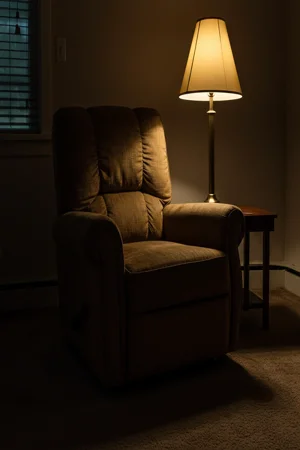
About This Book
Is modern man truly at rest, or simply running on fumes? "Men Rest More" delves into the often-overlooked realm of male relaxation and well-being, drawing upon health studies and psychological insights from the 1970s to illuminate a critical aspect of men's health. This book addresses the significant gap in understanding how societal expectations and evolving lifestyles affect men's ability to relax, recharge, and maintain optimal mental and physical health. The core topics explored center around defining and measuring relaxation in men, identifying societal and occupational stressors that hinder relaxation, and examining the physiological and psychological consequences of chronic stress and insufficient rest. These topics are significant because men's health is often viewed through the lens of physical strength and productivity, overshadowing the equally vital need for restorative practices. The book emphasizes that understanding and prioritizing relaxation can lead to improved cardiovascular health, reduced anxiety and depression rates, and enhanced cognitive function. The 1970s serve as a crucial backdrop for this exploration. This decade marked a period of considerable social and economic change, including shifts in traditional gender roles, increased workplace pressures, and evolving perspectives on mental health. Understanding the challenges men faced during this era provides a benchmark for comparison with contemporary issues, highlighting both the enduring and evolving aspects of male stress and relaxation. Prior knowledge of basic psychological concepts, such as stress response and coping mechanisms, will enhance the reader's understanding but is not required. The central argument posits that societal expectations and prevailing cultural norms often discourage men from prioritizing or even acknowledging their need for relaxation, leading to detrimental health outcomes. This argument is vital because it challenges conventional notions of masculinity and advocates for a more holistic approach to men's well-being. The book begins by defining relaxation, distinguishing it from mere inactivity, and establishing the importance of rest for physical and mental health. It then explores major sources of stress for men in the identified period, such as work-related pressures, familial responsibilities, and societal expectations. This development of ideas will include chapters dedicated to the impact of specific stressors on sleep quality, hormonal balance, and emotional regulation. The culmination of the argument emphasizes the necessity of incorporating relaxation techniques into daily routines. Practical applications are provided, including actionable strategies for stress management, improved sleep hygiene, and creating supportive environments. The book's evidence base relies on a synthesis of health studies, psychological research, and sociological analyses from the 1970s. It incorporates data from clinical trials, population surveys, and qualitative research examining men's experiences with stress and relaxation. This research is complemented by contemporary studies where relevant, providing a bridge between historical context and modern understanding. "Men Rest More" connects to several interdisciplinary fields, including sociology, gender studies, and occupational health. The sociological perspective provides insights into how societal norms shape men's attitudes toward relaxation. Gender studies highlights the impact of masculinity ideals on men's reluctance to seek help for stress-related issues. Occupational health illuminates the role of workplace environments in contributing to or alleviating stress. A unique perspective lies in its deliberate focus on the 1970s, offering a historical lens through which to examine contemporary challenges. This approach adds depth to the analysis, revealing long-term trends and providing valuable context. The writing style is professional and accessible, aiming to present complex information in a clear and engaging manner. The language is free of jargon, ensuring that the book is understandable to a wide audience. The target audience includes men of all ages seeking to improve their well-being, healthcare professionals interested in men's health, and researchers in the fields of psychology, sociology, or gender studies. This book would be valuable because it provides a comprehensive overview of relaxation techniques and their importance, as well as actionable strategies for incorporating them into daily life. As a non-fiction health and psychology book, it adheres to the conventions of rigorous research, evidence-based claims, and clear presentation of information. The scope of the book is limited to male relaxation within the specific historical and societal context of the 1970s, acknowledging that relaxation needs and societal expectations may continue to evolve beyond the scope of research. The information in the book can be applied to real-world settings through individual self-care practices, workplace wellness programs, and healthcare interventions. By understanding the historical context and research-backed strategies, readers can develop personalized approaches to stress management and relaxation. While the book doesn't explicitly address major controversies, it implicitly engages with ongoing debates surrounding masculinity and mental health. By advocating for men's well-being, it challenges traditional norms and promotes a more inclusive understanding of health.
Is modern man truly at rest, or simply running on fumes? "Men Rest More" delves into the often-overlooked realm of male relaxation and well-being, drawing upon health studies and psychological insights from the 1970s to illuminate a critical aspect of men's health. This book addresses the significant gap in understanding how societal expectations and evolving lifestyles affect men's ability to relax, recharge, and maintain optimal mental and physical health. The core topics explored center around defining and measuring relaxation in men, identifying societal and occupational stressors that hinder relaxation, and examining the physiological and psychological consequences of chronic stress and insufficient rest. These topics are significant because men's health is often viewed through the lens of physical strength and productivity, overshadowing the equally vital need for restorative practices. The book emphasizes that understanding and prioritizing relaxation can lead to improved cardiovascular health, reduced anxiety and depression rates, and enhanced cognitive function. The 1970s serve as a crucial backdrop for this exploration. This decade marked a period of considerable social and economic change, including shifts in traditional gender roles, increased workplace pressures, and evolving perspectives on mental health. Understanding the challenges men faced during this era provides a benchmark for comparison with contemporary issues, highlighting both the enduring and evolving aspects of male stress and relaxation. Prior knowledge of basic psychological concepts, such as stress response and coping mechanisms, will enhance the reader's understanding but is not required. The central argument posits that societal expectations and prevailing cultural norms often discourage men from prioritizing or even acknowledging their need for relaxation, leading to detrimental health outcomes. This argument is vital because it challenges conventional notions of masculinity and advocates for a more holistic approach to men's well-being. The book begins by defining relaxation, distinguishing it from mere inactivity, and establishing the importance of rest for physical and mental health. It then explores major sources of stress for men in the identified period, such as work-related pressures, familial responsibilities, and societal expectations. This development of ideas will include chapters dedicated to the impact of specific stressors on sleep quality, hormonal balance, and emotional regulation. The culmination of the argument emphasizes the necessity of incorporating relaxation techniques into daily routines. Practical applications are provided, including actionable strategies for stress management, improved sleep hygiene, and creating supportive environments. The book's evidence base relies on a synthesis of health studies, psychological research, and sociological analyses from the 1970s. It incorporates data from clinical trials, population surveys, and qualitative research examining men's experiences with stress and relaxation. This research is complemented by contemporary studies where relevant, providing a bridge between historical context and modern understanding. "Men Rest More" connects to several interdisciplinary fields, including sociology, gender studies, and occupational health. The sociological perspective provides insights into how societal norms shape men's attitudes toward relaxation. Gender studies highlights the impact of masculinity ideals on men's reluctance to seek help for stress-related issues. Occupational health illuminates the role of workplace environments in contributing to or alleviating stress. A unique perspective lies in its deliberate focus on the 1970s, offering a historical lens through which to examine contemporary challenges. This approach adds depth to the analysis, revealing long-term trends and providing valuable context. The writing style is professional and accessible, aiming to present complex information in a clear and engaging manner. The language is free of jargon, ensuring that the book is understandable to a wide audience. The target audience includes men of all ages seeking to improve their well-being, healthcare professionals interested in men's health, and researchers in the fields of psychology, sociology, or gender studies. This book would be valuable because it provides a comprehensive overview of relaxation techniques and their importance, as well as actionable strategies for incorporating them into daily life. As a non-fiction health and psychology book, it adheres to the conventions of rigorous research, evidence-based claims, and clear presentation of information. The scope of the book is limited to male relaxation within the specific historical and societal context of the 1970s, acknowledging that relaxation needs and societal expectations may continue to evolve beyond the scope of research. The information in the book can be applied to real-world settings through individual self-care practices, workplace wellness programs, and healthcare interventions. By understanding the historical context and research-backed strategies, readers can develop personalized approaches to stress management and relaxation. While the book doesn't explicitly address major controversies, it implicitly engages with ongoing debates surrounding masculinity and mental health. By advocating for men's well-being, it challenges traditional norms and promotes a more inclusive understanding of health.
"Men Rest More" explores the often-neglected topic of relaxation and well-being in men, drawing insights from 1970s health studies and psychology. It examines how societal expectations and evolving lifestyles impact men's ability to unwind and maintain their mental and physical health. The book uniquely uses the 1970s as a backdrop, a period of significant social and economic change, to compare and contrast the stressors men faced then with those of today. It highlights that understanding and prioritizing relaxation can lead to improved cardiovascular health and reduced anxiety, challenging conventional notions of masculinity that often discourage rest. The book progresses by first defining relaxation and its importance, differentiating it from mere inactivity. It then explores the main sources of stress for men during the 1970s, such as work and family pressures. The book emphasizes incorporating relaxation techniques into daily routines, offering actionable strategies for stress management and improved sleep. The book's evidence base relies on a synthesis of health studies, psychological research, and sociological analyses, providing a comprehensive overview valuable for men seeking to improve their well-being, healthcare professionals, and researchers alike.
Book Details
ISBN
9788235201539
Publisher
Publifye AS
Your Licenses
You don't own any licenses for this book
Purchase a license below to unlock this book and download the EPUB.
Purchase License
Select a tier to unlock this book
Need bulk licensing?
Contact us for enterprise agreements.