
About This Book
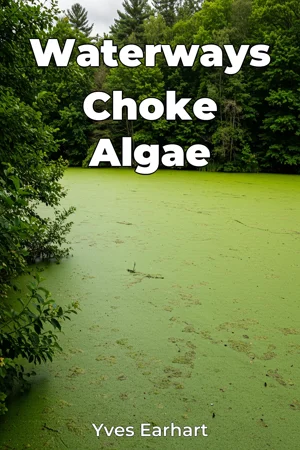
What if the very substances we use to keep our homes clean are silently contributing to the death of our waterways? "Waterways Choke Algae" delves into the complex and often overlooked role of detergents in the growing problem of eutrophication, as revealed through comprehensive environmental reports and scientific studies. This book explores the intricate relationship between human activities, chemical runoff, and the ecological health of our rivers, lakes, and oceans. This book will primarily address two key topics: firstly, the chemical composition of detergents and their breakdown processes in aquatic environments, and secondly, the mechanisms by which these chemicals, particularly phosphates and nitrates, fuel excessive algal growth. These topics are critical because understanding the root causes of algal blooms is the first step toward mitigating their devastating consequences, including oxygen depletion, fish kills, and the disruption of aquatic ecosystems. To fully grasp the severity of detergent-induced eutrophication, we need to examine the history of detergent use, starting from the introduction of synthetic detergents in the mid-20th century as a replacement for traditional soaps. This historical context reveals the dramatic increase in phosphate levels in waterways, leading to the widespread proliferation of harmful algal blooms. Basic knowledge of chemistry and ecology will be helpful, but the book provides accessible explanations of relevant scientific concepts. The central argument of "Waterways Choke Algae" is that the persistent use of phosphate-containing detergents, coupled with inadequate wastewater treatment, contributes significantly to eutrophication, demanding a reevaluation of detergent formulations, regulatory policies, and consumer behavior. This argument is vital because it challenges the conventional wisdom that industrial and agricultural runoff are the sole culprits behind water pollution, highlighting the often-underestimated impact of household products. The book's structure follows a logical progression: it begins by introducing the concepts of eutrophication and the chemical composition of detergents. It then devotes separate chapters to exploring the effects of phosphates and nitrates on algal growth, examining case studies of impacted waterways around the globe. The book culminates in a detailed discussion of potential solutions, including phosphate-free detergents, advanced wastewater treatment technologies, and policy recommendations. The evidence presented in this book draws from a wide range of sources, including government environmental reports, peer-reviewed scientific publications, and data from water quality monitoring programs. The book utilizes comparative analyses of waterways with varying levels of detergent exposure to demonstrate the direct correlation between detergent use and algal bloom frequency and intensity. "Waterways Choke Algae" connects to several other fields of study, including environmental chemistry, public health, and environmental policy. The book also touches on economics, examining the costs associated with treating eutrophic waters and the economic impacts of algal blooms on fisheries and tourism. These connections highlight the multifaceted nature of eutrophication and the need for interdisciplinary solutions. This book offers a unique perspective by focusing specifically on the role of detergents in eutrophication, a topic often overshadowed by discussions of agricultural and industrial pollution. It fills a critical gap in the literature by providing a comprehensive, evidence-based analysis of the detergent-eutrophication link. The tone of the writing is academic yet accessible, aiming to inform and engage a broad audience without sacrificing scientific rigor. The book is intended for environmental science students, policymakers, concerned citizens, and anyone interested in understanding the complex challenges facing our waterways. This book provides valuable insights into the environmental consequences of everyday consumer choices. In line with the conventions of environmental science writing, the book emphasizes empirical data, scientific methodology, and unbiased analysis. While the book covers a wide range of geographical locations and aquatic environments, it acknowledges the limitations of focusing primarily on detergent-related eutrophication, recognizing that other factors, such as agricultural runoff and climate change, also play significant roles. The information presented in "Waterways Choke Algae" can be applied in several practical ways. Consumers can make informed choices about the detergents they use, opting for phosphate-free alternatives. Policymakers can use the book's findings to develop more effective regulations on detergent composition and wastewater treatment. Environmental organizations can use the book as a tool for educating the public and advocating for cleaner waterways. The book also addresses the ongoing debate about the effectiveness of phosphate bans in detergents, examining the arguments for and against such policies and presenting evidence from jurisdictions that have already implemented them. Ultimately, "Waterways Choke Algae" seeks to raise awareness of the often-overlooked contribution of detergents to water pollution and to inspire action toward creating a cleaner, healthier future for our waterways.
What if the very substances we use to keep our homes clean are silently contributing to the death of our waterways? "Waterways Choke Algae" delves into the complex and often overlooked role of detergents in the growing problem of eutrophication, as revealed through comprehensive environmental reports and scientific studies. This book explores the intricate relationship between human activities, chemical runoff, and the ecological health of our rivers, lakes, and oceans. This book will primarily address two key topics: firstly, the chemical composition of detergents and their breakdown processes in aquatic environments, and secondly, the mechanisms by which these chemicals, particularly phosphates and nitrates, fuel excessive algal growth. These topics are critical because understanding the root causes of algal blooms is the first step toward mitigating their devastating consequences, including oxygen depletion, fish kills, and the disruption of aquatic ecosystems. To fully grasp the severity of detergent-induced eutrophication, we need to examine the history of detergent use, starting from the introduction of synthetic detergents in the mid-20th century as a replacement for traditional soaps. This historical context reveals the dramatic increase in phosphate levels in waterways, leading to the widespread proliferation of harmful algal blooms. Basic knowledge of chemistry and ecology will be helpful, but the book provides accessible explanations of relevant scientific concepts. The central argument of "Waterways Choke Algae" is that the persistent use of phosphate-containing detergents, coupled with inadequate wastewater treatment, contributes significantly to eutrophication, demanding a reevaluation of detergent formulations, regulatory policies, and consumer behavior. This argument is vital because it challenges the conventional wisdom that industrial and agricultural runoff are the sole culprits behind water pollution, highlighting the often-underestimated impact of household products. The book's structure follows a logical progression: it begins by introducing the concepts of eutrophication and the chemical composition of detergents. It then devotes separate chapters to exploring the effects of phosphates and nitrates on algal growth, examining case studies of impacted waterways around the globe. The book culminates in a detailed discussion of potential solutions, including phosphate-free detergents, advanced wastewater treatment technologies, and policy recommendations. The evidence presented in this book draws from a wide range of sources, including government environmental reports, peer-reviewed scientific publications, and data from water quality monitoring programs. The book utilizes comparative analyses of waterways with varying levels of detergent exposure to demonstrate the direct correlation between detergent use and algal bloom frequency and intensity. "Waterways Choke Algae" connects to several other fields of study, including environmental chemistry, public health, and environmental policy. The book also touches on economics, examining the costs associated with treating eutrophic waters and the economic impacts of algal blooms on fisheries and tourism. These connections highlight the multifaceted nature of eutrophication and the need for interdisciplinary solutions. This book offers a unique perspective by focusing specifically on the role of detergents in eutrophication, a topic often overshadowed by discussions of agricultural and industrial pollution. It fills a critical gap in the literature by providing a comprehensive, evidence-based analysis of the detergent-eutrophication link. The tone of the writing is academic yet accessible, aiming to inform and engage a broad audience without sacrificing scientific rigor. The book is intended for environmental science students, policymakers, concerned citizens, and anyone interested in understanding the complex challenges facing our waterways. This book provides valuable insights into the environmental consequences of everyday consumer choices. In line with the conventions of environmental science writing, the book emphasizes empirical data, scientific methodology, and unbiased analysis. While the book covers a wide range of geographical locations and aquatic environments, it acknowledges the limitations of focusing primarily on detergent-related eutrophication, recognizing that other factors, such as agricultural runoff and climate change, also play significant roles. The information presented in "Waterways Choke Algae" can be applied in several practical ways. Consumers can make informed choices about the detergents they use, opting for phosphate-free alternatives. Policymakers can use the book's findings to develop more effective regulations on detergent composition and wastewater treatment. Environmental organizations can use the book as a tool for educating the public and advocating for cleaner waterways. The book also addresses the ongoing debate about the effectiveness of phosphate bans in detergents, examining the arguments for and against such policies and presenting evidence from jurisdictions that have already implemented them. Ultimately, "Waterways Choke Algae" seeks to raise awareness of the often-overlooked contribution of detergents to water pollution and to inspire action toward creating a cleaner, healthier future for our waterways.
"Waterways Choke Algae" explores the often-underestimated role of detergents in eutrophication, the excessive enrichment of waterways that leads to harmful algal blooms. It reveals how common household cleaning products, particularly those containing phosphates and nitrates, contribute to this growing environmental problem. The book highlights the link between increased detergent use since the mid-20th century and the rise of algal blooms, which deplete oxygen and harm aquatic life. It provides a comprehensive analysis, drawing from environmental reports and scientific studies, to demonstrate how detergents impact water quality and aquatic ecosystems. The book examines the chemical composition of detergents and their breakdown in water, investigating how phosphates and nitrates fuel algal growth. It presents case studies of impacted waterways globally, showing the direct correlation between detergent use and algal bloom frequency. The book stands out by focusing specifically on detergents, an often-overlooked source of water pollution compared to industrial and agricultural runoff. It progresses logically, beginning with the basics of eutrophication and detergent chemistry, then delving into the effects of specific chemicals and potential solutions like phosphate-free detergents and advanced wastewater treatment technologies. Ultimately, "Waterways Choke Algae" advocates for a reevaluation of detergent formulations, regulatory policies, and consumer behavior to mitigate the devastating consequences of eutrophication. It offers valuable insights for environmental science students, policymakers, and concerned citizens seeking to understand and address the challenges facing our waterways, encouraging informed choices and actions towards a cleaner future.
Book Details
ISBN
9788235201294
Publisher
Publifye AS
Your Licenses
You don't own any licenses for this book
Purchase a license below to unlock this book and download the EPUB.
Purchase License
Select a tier to unlock this book
Need bulk licensing?
Contact us for enterprise agreements.