
About This Book
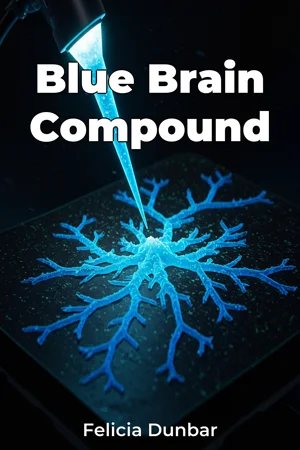
Can a simple dye, long used to treat various ailments, hold the key to unlocking new pathways for neuronal energy production and memory enhancement? "Blue Brain Compound" delves into the multifaceted mechanisms of methylene blue, exploring its potential to revolutionize our understanding of brain function and cognitive health. This book examines the scientific evidence surrounding methylene blue, moving beyond its historical applications to illuminate its modern relevance in neurology, biology, and life sciences. This book focuses on three key areas: first, the fundamental mechanisms by which methylene blue interacts with neuronal mitochondria to boost energy production; second, the compelling evidence linking these bioenergetic effects to improved memory and cognitive performance; and third, the translational potential of methylene blue, from basic research to clinical applications. These topics are crucial because they address the growing need for effective strategies to combat age-related cognitive decline and promote brain health in an increasingly demanding world. To fully appreciate methylene blue's potential, we will first provide a historical context, tracing its discovery and early uses in medicine. We will then examine the relevant biochemical pathways involved in cellular respiration and the critical role of mitochondria in neuronal function. Familiarity with basic concepts in cell biology and neuroscience will aid the reader, though we will clearly define key terms and concepts. Our central argument is that methylene blue, through its unique redox properties, can act as an electron cycler in the mitochondrial electron transport chain, thereby enhancing ATP production and neuronal resilience. We will demonstrate that this enhanced energy production translates to tangible improvements in memory consolidation, recall, and overall cognitive function. This argument is significant because it challenges conventional approaches to cognitive enhancement and offers a potentially safer, more accessible alternative. The book unfolds in a structured manner. Initially, we introduce the core concepts of mitochondrial bioenergetics and the neurobiological basis of memory. Then, we delve into the specific mechanisms of action of methylene blue, supported by in vitro, in vivo, and clinical studies. A significant portion of the book will be dedicated to analyzing the impact of methylene blue on various cognitive domains, including working memory, long-term memory, and executive functions. The book culminates in a discussion of the potential therapeutic applications of methylene blue in conditions such as Alzheimer's disease and other forms of dementia, while also addressing responsible use and potential risks. The evidence presented will draw from a wide range of sources, including peer-reviewed scientific publications, clinical trial data, and meta-analyses. We will also examine data from preclinical studies using animal models of cognitive impairment. Special attention will be given to studies employing rigorous methodologies, such as double-blind, placebo-controlled trials. "Blue Brain Compound" sits at the intersection of several disciplines, including neuroscience, biochemistry, pharmacology, and gerontology. Its exploration of mitochondrial function connects it to the broader field of metabolic health, while its focus on cognitive enhancement links it to the emerging field of neuroenhancement. Its implications extend into the realm of preventative medicine and healthy aging. This book offers a detailed analysis of methylene blue's mechanisms, going beyond superficial observations to provide a nuanced understanding of its interactions with the brain. It is written in a clear, accessible style, making complex scientific information understandable to a broad audience. The primary audience for this book includes researchers, healthcare professionals, students, and anyone interested in understanding the science behind cognitive enhancement and brain health. It will be particularly valuable to those seeking evidence-based approaches to improve memory and cognitive function. As a work of non-fiction science writing, this book prioritizes accuracy, clarity, and objectivity. It aims to present a balanced perspective on the potential benefits and risks of methylene blue. While the book provides a comprehensive overview of the current research on methylene blue, it acknowledges the limitations of the existing data. It focuses primarily on the effects of methylene blue on neuronal energy production and memory function, without delving deeply into its other potential applications. The information presented in "Blue Brain Compound" can be applied in several practical ways. Healthcare professionals can use it to inform their clinical decision-making, while researchers can use it as a starting point for further investigation. Individuals interested in cognitive enhancement can use it to make informed choices about incorporating methylene blue into their health regimens, always in consultation with a healthcare provider. The use of methylene blue for cognitive enhancement is not without its controversies. There are ongoing debates about the optimal dosage, safety, and long-term effects. This book will address these controversies head-on, presenting different perspectives and providing a balanced assessment of the available evidence.
Can a simple dye, long used to treat various ailments, hold the key to unlocking new pathways for neuronal energy production and memory enhancement? "Blue Brain Compound" delves into the multifaceted mechanisms of methylene blue, exploring its potential to revolutionize our understanding of brain function and cognitive health. This book examines the scientific evidence surrounding methylene blue, moving beyond its historical applications to illuminate its modern relevance in neurology, biology, and life sciences. This book focuses on three key areas: first, the fundamental mechanisms by which methylene blue interacts with neuronal mitochondria to boost energy production; second, the compelling evidence linking these bioenergetic effects to improved memory and cognitive performance; and third, the translational potential of methylene blue, from basic research to clinical applications. These topics are crucial because they address the growing need for effective strategies to combat age-related cognitive decline and promote brain health in an increasingly demanding world. To fully appreciate methylene blue's potential, we will first provide a historical context, tracing its discovery and early uses in medicine. We will then examine the relevant biochemical pathways involved in cellular respiration and the critical role of mitochondria in neuronal function. Familiarity with basic concepts in cell biology and neuroscience will aid the reader, though we will clearly define key terms and concepts. Our central argument is that methylene blue, through its unique redox properties, can act as an electron cycler in the mitochondrial electron transport chain, thereby enhancing ATP production and neuronal resilience. We will demonstrate that this enhanced energy production translates to tangible improvements in memory consolidation, recall, and overall cognitive function. This argument is significant because it challenges conventional approaches to cognitive enhancement and offers a potentially safer, more accessible alternative. The book unfolds in a structured manner. Initially, we introduce the core concepts of mitochondrial bioenergetics and the neurobiological basis of memory. Then, we delve into the specific mechanisms of action of methylene blue, supported by in vitro, in vivo, and clinical studies. A significant portion of the book will be dedicated to analyzing the impact of methylene blue on various cognitive domains, including working memory, long-term memory, and executive functions. The book culminates in a discussion of the potential therapeutic applications of methylene blue in conditions such as Alzheimer's disease and other forms of dementia, while also addressing responsible use and potential risks. The evidence presented will draw from a wide range of sources, including peer-reviewed scientific publications, clinical trial data, and meta-analyses. We will also examine data from preclinical studies using animal models of cognitive impairment. Special attention will be given to studies employing rigorous methodologies, such as double-blind, placebo-controlled trials. "Blue Brain Compound" sits at the intersection of several disciplines, including neuroscience, biochemistry, pharmacology, and gerontology. Its exploration of mitochondrial function connects it to the broader field of metabolic health, while its focus on cognitive enhancement links it to the emerging field of neuroenhancement. Its implications extend into the realm of preventative medicine and healthy aging. This book offers a detailed analysis of methylene blue's mechanisms, going beyond superficial observations to provide a nuanced understanding of its interactions with the brain. It is written in a clear, accessible style, making complex scientific information understandable to a broad audience. The primary audience for this book includes researchers, healthcare professionals, students, and anyone interested in understanding the science behind cognitive enhancement and brain health. It will be particularly valuable to those seeking evidence-based approaches to improve memory and cognitive function. As a work of non-fiction science writing, this book prioritizes accuracy, clarity, and objectivity. It aims to present a balanced perspective on the potential benefits and risks of methylene blue. While the book provides a comprehensive overview of the current research on methylene blue, it acknowledges the limitations of the existing data. It focuses primarily on the effects of methylene blue on neuronal energy production and memory function, without delving deeply into its other potential applications. The information presented in "Blue Brain Compound" can be applied in several practical ways. Healthcare professionals can use it to inform their clinical decision-making, while researchers can use it as a starting point for further investigation. Individuals interested in cognitive enhancement can use it to make informed choices about incorporating methylene blue into their health regimens, always in consultation with a healthcare provider. The use of methylene blue for cognitive enhancement is not without its controversies. There are ongoing debates about the optimal dosage, safety, and long-term effects. This book will address these controversies head-on, presenting different perspectives and providing a balanced assessment of the available evidence.
"Blue Brain Compound" explores the potential of methylene blue to enhance brain health and cognitive function by boosting neuronal energy production. This book delves into the science behind this compound, examining its role in improving memory and potentially combating cognitive decline associated with conditions like Alzheimer's disease and dementia. By acting as an electron cycler in the mitochondrial electron transport chain, methylene blue can enhance ATP production, a crucial energy source for brain cells. The book systematically progresses from the historical uses of methylene blue to its modern applications in neuroscience and life sciences. It highlights how methylene blue interacts with neuronal mitochondria to improve cognitive performance, offering a potentially accessible alternative for neuroenhancement. It also addresses the controversies surrounding its use, providing a balanced perspective on its benefits and risks. This comprehensive analysis makes "Blue Brain Compound" a valuable resource for researchers, healthcare professionals, and anyone interested in understanding evidence-based approaches to enhance memory, promote brain health, and explore the science of cognitive enhancement.
Book Details
ISBN
9788235201157
Publisher
Publifye AS
Your Licenses
You don't own any licenses for this book
Purchase a license below to unlock this book and download the EPUB.
Purchase License
Select a tier to unlock this book
Need bulk licensing?
Contact us for enterprise agreements.