
About This Book
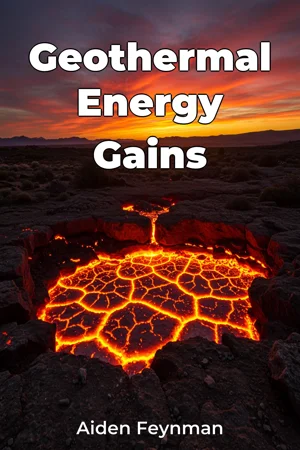
Can geothermal energy finally deliver on its promise of consistent, renewable power? "Geothermal Energy Gains" explores the latest advancements in geothermal systems, demonstrating their potential to provide a stable and sustainable energy source amidst global concerns about climate change and energy security. This book aims to provide a comprehensive overview of geothermal technology, its applications, and the economic and environmental factors influencing its growth. We delve into three pivotal themes. First, enhanced geothermal systems (EGS), which enable access to geothermal resources in previously non-viable locations, are explored in detail. Second, the book investigates advancements in drilling and energy conversion technologies that are increasing the efficiency and reducing the costs of geothermal power generation. Third, it assesses the policy and investment landscapes that are crucial for the widespread adoption of geothermal energy. These topics are important because they represent the cutting edge of geothermal innovation and are crucial for the sector's capacity to compete with other renewable and traditional energy sources. Historically, geothermal energy has been limited to regions with readily accessible hydrothermal resources. Now, with new technologies, geothermal energy offers a geographically broader solution. Understanding basic thermodynamics and geological principles is helpful but not essential, as the book provides clear explanations of relevant scientific concepts. The central argument is that emerging geothermal technologies, specifically EGS coupled with supportive policies and strategic investment combined with continuous technology development will enable geothermal to provide a baseload, renewable energy source on a much larger scale than presently offered. This is important because it challenges the common perception of geothermal energy as a niche resource and presents it as a potential cornerstone of a future low-carbon energy system. The book begins by introducing the fundamental principles of geothermal energy and its historical development. It then systematically examines the key technologies, including EGS, advanced drilling techniques (such as closed-loop systems), and improved power plant designs. Individual chapters are dedicated to case studies of successful geothermal projects around the world, highlighting both the technical and economic considerations. The book later culminates in a discussion of the policy frameworks needed to incentivize geothermal development and an analysis of the investment opportunities in the sector. Finally, the book concludes with insights into how geothermal energy can be applied in various settings, from large-scale power plants to residential heating and cooling systems. The evidence presented includes data from field studies, pilot projects, and scientific research papers. We analyze performance data from existing geothermal plants, comparing conventional hydrothermal systems with EGS installations. The analysis includes economic models and environmental impact assessments, providing a balanced view of the costs and benefits of geothermal energy. "Geothermal Energy Gains" connects several disciplines: geology, engineering, environmental science, and economics. Geological understanding is critical for resource assessment, while engineering expertise is necessary for designing and operating geothermal systems. Environmental science informs the assessment of impacts, and economics helps determine the financial viability of projects. These interdisciplinary connections emphasize geothermal’s complex intersection of technology, sustainability, and socioeconomic factors. This work offers a unique perspective by integrating technical details with policy and economic analysis, providing a holistic view of the geothermal energy landscape. Rather than focusing solely on technical feasibility, it emphasizes the importance of creating a supportive ecosystem for geothermal development. The book is written in a clear, concise, and accessible style, targeting a broad audience including energy professionals, policymakers, investors, researchers, and students. It is valuable for those seeking a deep understanding of geothermal technology and its potential to contribute to a sustainable energy future. As a non-fiction work in the technology and science genres, the book maintains a factual and objective tone, presenting information in a structured and well-referenced manner. It addresses the expectation for accuracy, clarity, and comprehensive coverage. The scope is limited to geothermal power generation and direct use applications, excluding other forms of renewable energy. While it touches upon the broader energy landscape, the focus remains firmly on geothermal technologies. A more comprehensive discussion of topics such as government subsidies and the intricacies of power grid integration is beyond the purview of this project. The information presented can be applied directly to investment decisions, policy development, and project planning. Energy companies can use the insights to assess the viability of geothermal projects, while policymakers can use the analysis to design effective incentives for geothermal deployment, and researchers can build upon the findings to further advance geothermal technology. The book addresses the ongoing debate regarding the environmental impact of geothermal energy, particularly concerning induced seismicity associated with EGS. It presents a balanced discussion of the risks and benefits, highlighting the measures that can be taken to mitigate potential negative impacts.
Can geothermal energy finally deliver on its promise of consistent, renewable power? "Geothermal Energy Gains" explores the latest advancements in geothermal systems, demonstrating their potential to provide a stable and sustainable energy source amidst global concerns about climate change and energy security. This book aims to provide a comprehensive overview of geothermal technology, its applications, and the economic and environmental factors influencing its growth. We delve into three pivotal themes. First, enhanced geothermal systems (EGS), which enable access to geothermal resources in previously non-viable locations, are explored in detail. Second, the book investigates advancements in drilling and energy conversion technologies that are increasing the efficiency and reducing the costs of geothermal power generation. Third, it assesses the policy and investment landscapes that are crucial for the widespread adoption of geothermal energy. These topics are important because they represent the cutting edge of geothermal innovation and are crucial for the sector's capacity to compete with other renewable and traditional energy sources. Historically, geothermal energy has been limited to regions with readily accessible hydrothermal resources. Now, with new technologies, geothermal energy offers a geographically broader solution. Understanding basic thermodynamics and geological principles is helpful but not essential, as the book provides clear explanations of relevant scientific concepts. The central argument is that emerging geothermal technologies, specifically EGS coupled with supportive policies and strategic investment combined with continuous technology development will enable geothermal to provide a baseload, renewable energy source on a much larger scale than presently offered. This is important because it challenges the common perception of geothermal energy as a niche resource and presents it as a potential cornerstone of a future low-carbon energy system. The book begins by introducing the fundamental principles of geothermal energy and its historical development. It then systematically examines the key technologies, including EGS, advanced drilling techniques (such as closed-loop systems), and improved power plant designs. Individual chapters are dedicated to case studies of successful geothermal projects around the world, highlighting both the technical and economic considerations. The book later culminates in a discussion of the policy frameworks needed to incentivize geothermal development and an analysis of the investment opportunities in the sector. Finally, the book concludes with insights into how geothermal energy can be applied in various settings, from large-scale power plants to residential heating and cooling systems. The evidence presented includes data from field studies, pilot projects, and scientific research papers. We analyze performance data from existing geothermal plants, comparing conventional hydrothermal systems with EGS installations. The analysis includes economic models and environmental impact assessments, providing a balanced view of the costs and benefits of geothermal energy. "Geothermal Energy Gains" connects several disciplines: geology, engineering, environmental science, and economics. Geological understanding is critical for resource assessment, while engineering expertise is necessary for designing and operating geothermal systems. Environmental science informs the assessment of impacts, and economics helps determine the financial viability of projects. These interdisciplinary connections emphasize geothermal’s complex intersection of technology, sustainability, and socioeconomic factors. This work offers a unique perspective by integrating technical details with policy and economic analysis, providing a holistic view of the geothermal energy landscape. Rather than focusing solely on technical feasibility, it emphasizes the importance of creating a supportive ecosystem for geothermal development. The book is written in a clear, concise, and accessible style, targeting a broad audience including energy professionals, policymakers, investors, researchers, and students. It is valuable for those seeking a deep understanding of geothermal technology and its potential to contribute to a sustainable energy future. As a non-fiction work in the technology and science genres, the book maintains a factual and objective tone, presenting information in a structured and well-referenced manner. It addresses the expectation for accuracy, clarity, and comprehensive coverage. The scope is limited to geothermal power generation and direct use applications, excluding other forms of renewable energy. While it touches upon the broader energy landscape, the focus remains firmly on geothermal technologies. A more comprehensive discussion of topics such as government subsidies and the intricacies of power grid integration is beyond the purview of this project. The information presented can be applied directly to investment decisions, policy development, and project planning. Energy companies can use the insights to assess the viability of geothermal projects, while policymakers can use the analysis to design effective incentives for geothermal deployment, and researchers can build upon the findings to further advance geothermal technology. The book addresses the ongoing debate regarding the environmental impact of geothermal energy, particularly concerning induced seismicity associated with EGS. It presents a balanced discussion of the risks and benefits, highlighting the measures that can be taken to mitigate potential negative impacts.
"Geothermal Energy Gains" explores the exciting potential of geothermal energy as a reliable and sustainable energy source. It highlights how advancements in enhanced geothermal systems (EGS) are enabling access to previously unreachable geothermal resources, potentially revolutionizing geothermal power generation. These technological strides, coupled with improvements in drilling technology, promise to make geothermal a more competitive player in the renewable energy landscape. One intriguing fact is that geothermal energy, unlike solar or wind, can provide a consistent baseload power supply, crucial for energy security. The book adopts a comprehensive approach, beginning with the fundamentals of geothermal energy and systematically progressing through key technologies, case studies, and policy considerations. It uniquely integrates technical details with economic and policy analysis, offering a holistic view of the geothermal sector. This thorough examination emphasizes the importance of supportive policies and strategic investment in unlocking geothermal's full potential. The book argues that with continued technological development and strategic implementation, geothermal energy could transition from a niche resource to a cornerstone of future low-carbon energy systems.
Book Details
ISBN
9788235201140
Publisher
Publifye AS
Your Licenses
You don't own any licenses for this book
Purchase a license below to unlock this book and download the EPUB.
Purchase License
Select a tier to unlock this book
Need bulk licensing?
Contact us for enterprise agreements.