
About This Book
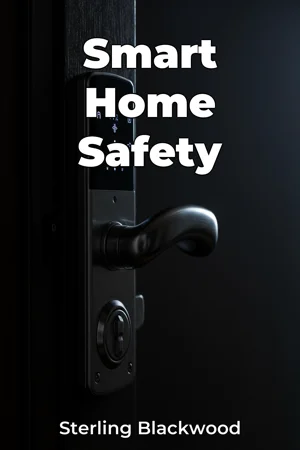
Are you truly safe in your smart home? "Smart Home Safety" delves into the often-unseen electronic safety concerns lurking within the increasingly connected devices that fill our modern homes. This book explores the intersection of technology, security, and everyday living, revealing potential vulnerabilities that could compromise privacy, security, and even physical safety. The core focus is on three critical areas. First, we examine the inherent security flaws in many IoT (Internet of Things) devices, from smart thermostats and security cameras to connected appliances. Second, we analyze the privacy implications of these devices, detailing how personal data is collected, stored, and potentially misused. Third, we address the physical safety risks associated with compromised smart home systems, such as hacked smart locks or malfunctioning automated systems. These topics are vital because smart home technology is rapidly becoming ubiquitous, often without consumers fully understanding the risks involved. To understand present dangers, we trace the evolution of home automation from simple remote controls to complex, interconnected systems. We explain basic networking concepts and common security protocols, ensuring readers have sufficient technical literacy to grasp the issues. No prior expertise in cybersecurity is required; we provide a clear foundation for understanding the challenges. The central argument of "Smart Home Safety" is that the convenience and efficiency of smart home technology often come at the expense of robust security and privacy safeguards, creating significant risks for homeowners. This argument is crucial because it challenges the prevailing narrative of seamless connectivity and highlights the need for greater awareness and proactive security measures. The book unfolds in a structured manner. We begin by introducing the landscape of smart home devices and their functionality. Following the introduction, the book is divided into major sections. One section assesses common vulnerabilities in these devices and the networks they operate upon. This section analyzes real-world hacking incidents and explores the technical weaknesses exploited by attackers. Another section addresses data privacy, examining data collection practices, privacy policies (or lack thereof), and the potential for data breaches and misuse. A third section will consider the potential physical threats associated with these devices such as a compromised smart lock system and the impact on home security. The book culminates with actionable advice for securing smart homes, including practical tips for choosing secure devices, configuring networks, and protecting personal data. We also explore policy implications and the role of manufacturers in creating safer products. Our analysis relies on a combination of technical research, security audits of popular smart home devices, and case studies of real-world hacking incidents. We examine publicly available data from security researchers, government reports, and industry publications. We also analyze the legal and regulatory landscape surrounding smart home security and privacy. "Smart Home Safety" connects to several other disciplines. It draws upon computer science for understanding network security and cryptography, law for analyzing privacy regulations and liability issues, and sociology for examining the social impact of smart home technology and its effect on user behavior. These interdisciplinary connections enrich the analysis and provide a holistic view of the challenges. What sets this book apart is its practical focus on actionable steps that readers can take to improve their smart home security. We go beyond simply identifying vulnerabilities and offer concrete solutions that are accessible to both technical and non-technical audiences. The writing style is clear, concise, and accessible, avoiding technical jargon whenever possible. The tone is informative and objective, presenting the facts in a balanced manner while maintaining a sense of urgency about the potential risks. The target audience includes homeowners, renters, and anyone considering investing in smart home technology. This book is valuable to them because it provides the knowledge and tools they need to make informed decisions about security and privacy. It also appeals to IT professionals, security consultants, and policymakers interested in understanding the challenges of securing connected homes. As a work of non-fiction within the technology genre, "Smart Home Safety" adheres to the principles of accuracy, objectivity, and thorough research. It presents evidence-based arguments and avoids sensationalism. Our scope is broad, covering a wide range of smart home devices and security threats, but we intentionally limit our focus to residential applications, excluding industrial or commercial settings. The information presented in this book can be applied directly to improve the security of existing smart home systems, inform purchasing decisions about new devices, and educate others about the risks involved. While smart home technology promises convenience and efficiency, there are ongoing debates about the appropriate balance between functionality, security, and privacy. This book explores these debates, presenting different perspectives and offering a nuanced analysis of the issues. "Smart Home Safety" prepares the reader to navigate the complex and evolving world of smart home technology with confidence and awareness.
Are you truly safe in your smart home? "Smart Home Safety" delves into the often-unseen electronic safety concerns lurking within the increasingly connected devices that fill our modern homes. This book explores the intersection of technology, security, and everyday living, revealing potential vulnerabilities that could compromise privacy, security, and even physical safety. The core focus is on three critical areas. First, we examine the inherent security flaws in many IoT (Internet of Things) devices, from smart thermostats and security cameras to connected appliances. Second, we analyze the privacy implications of these devices, detailing how personal data is collected, stored, and potentially misused. Third, we address the physical safety risks associated with compromised smart home systems, such as hacked smart locks or malfunctioning automated systems. These topics are vital because smart home technology is rapidly becoming ubiquitous, often without consumers fully understanding the risks involved. To understand present dangers, we trace the evolution of home automation from simple remote controls to complex, interconnected systems. We explain basic networking concepts and common security protocols, ensuring readers have sufficient technical literacy to grasp the issues. No prior expertise in cybersecurity is required; we provide a clear foundation for understanding the challenges. The central argument of "Smart Home Safety" is that the convenience and efficiency of smart home technology often come at the expense of robust security and privacy safeguards, creating significant risks for homeowners. This argument is crucial because it challenges the prevailing narrative of seamless connectivity and highlights the need for greater awareness and proactive security measures. The book unfolds in a structured manner. We begin by introducing the landscape of smart home devices and their functionality. Following the introduction, the book is divided into major sections. One section assesses common vulnerabilities in these devices and the networks they operate upon. This section analyzes real-world hacking incidents and explores the technical weaknesses exploited by attackers. Another section addresses data privacy, examining data collection practices, privacy policies (or lack thereof), and the potential for data breaches and misuse. A third section will consider the potential physical threats associated with these devices such as a compromised smart lock system and the impact on home security. The book culminates with actionable advice for securing smart homes, including practical tips for choosing secure devices, configuring networks, and protecting personal data. We also explore policy implications and the role of manufacturers in creating safer products. Our analysis relies on a combination of technical research, security audits of popular smart home devices, and case studies of real-world hacking incidents. We examine publicly available data from security researchers, government reports, and industry publications. We also analyze the legal and regulatory landscape surrounding smart home security and privacy. "Smart Home Safety" connects to several other disciplines. It draws upon computer science for understanding network security and cryptography, law for analyzing privacy regulations and liability issues, and sociology for examining the social impact of smart home technology and its effect on user behavior. These interdisciplinary connections enrich the analysis and provide a holistic view of the challenges. What sets this book apart is its practical focus on actionable steps that readers can take to improve their smart home security. We go beyond simply identifying vulnerabilities and offer concrete solutions that are accessible to both technical and non-technical audiences. The writing style is clear, concise, and accessible, avoiding technical jargon whenever possible. The tone is informative and objective, presenting the facts in a balanced manner while maintaining a sense of urgency about the potential risks. The target audience includes homeowners, renters, and anyone considering investing in smart home technology. This book is valuable to them because it provides the knowledge and tools they need to make informed decisions about security and privacy. It also appeals to IT professionals, security consultants, and policymakers interested in understanding the challenges of securing connected homes. As a work of non-fiction within the technology genre, "Smart Home Safety" adheres to the principles of accuracy, objectivity, and thorough research. It presents evidence-based arguments and avoids sensationalism. Our scope is broad, covering a wide range of smart home devices and security threats, but we intentionally limit our focus to residential applications, excluding industrial or commercial settings. The information presented in this book can be applied directly to improve the security of existing smart home systems, inform purchasing decisions about new devices, and educate others about the risks involved. While smart home technology promises convenience and efficiency, there are ongoing debates about the appropriate balance between functionality, security, and privacy. This book explores these debates, presenting different perspectives and offering a nuanced analysis of the issues. "Smart Home Safety" prepares the reader to navigate the complex and evolving world of smart home technology with confidence and awareness.
"Smart Home Safety" explores the hidden security and privacy risks within our increasingly connected smart homes. It highlights how devices like smart thermostats and security cameras, while convenient, often possess vulnerabilities that can be exploited, potentially compromising personal data and even physical safety. The book argues that the rush towards home automation frequently overlooks robust security measures. The book progresses logically, starting with an overview of smart home devices and their functions. It then delves into common vulnerabilities, data privacy concerns, and potential physical threats, using real-world hacking incidents as examples. Did you know that many IoT devices collect and store vast amounts of personal data, often without clear privacy policies? Or that a compromised smart lock system could leave your home vulnerable to physical intrusion? Ultimately, "Smart Home Safety" aims to empower readers with actionable steps to secure their smart homes. It offers practical advice on choosing secure devices, configuring networks, and protecting personal data. This makes the book a valuable resource for anyone interested in technology and computers, from homeowners to IT professionals, providing the knowledge needed to navigate the evolving landscape of smart home technology safely and confidently.
Book Details
ISBN
9788235201096
Publisher
Publifye AS
Your Licenses
You don't own any licenses for this book
Purchase a license below to unlock this book and download the EPUB.
Purchase License
Select a tier to unlock this book
Need bulk licensing?
Contact us for enterprise agreements.