
About This Book
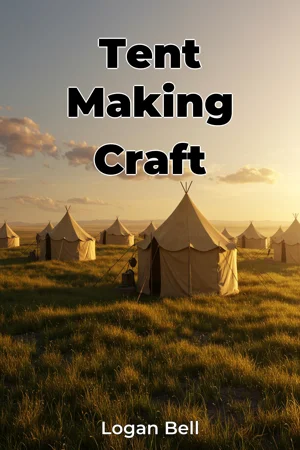
Have you ever wondered how entire families, traversing vast landscapes, have maintained a sense of home and community across millennia? *Tent Making Craft* delves into the ingenious world of tent construction by nomadic peoples, exploring not just the how, but the why, of these mobile shelters. This book examines how these crafting traditions represent remarkable feats of engineering, cultural adaptation, and sustainable living. This book focuses primarily on two central themes: the structural design of nomadic tents and the cultural significance embedded within their construction and use. Understanding the engineering principles behind the tents – their capacity to withstand diverse climates, ease of assembly, and efficient use of materials – is crucial. Simultaneously, the book explores how tent construction is intertwined with nomadic social structures, belief systems, and migratory patterns, highlighting the tent as more than just a shelter, but as a symbolic representation of home and identity. Historically, nomadic societies have relied on tents as essential components of their survival and cultural expression. The book provides context, presenting the evolution of tent designs over centuries, influenced by changing environments, available resources, and inter-tribal exchanges. Readers will gain an understanding of the materials used—primarily animal hides, wool, and locally sourced wood—and how these choices reflect a deep understanding of the natural world. The central argument of *Tent Making Craft* is that nomadic tent construction is a sophisticated craft that encapsulates a wealth of indigenous knowledge, representing a sustainable and culturally rich approach to shelter and resource management. By exploring the intricacies of tent design and its cultural context, the book aims to demonstrate how this ancient practice holds valuable lessons for contemporary discussions on sustainable architecture, community building, and cultural preservation. The book is structured to offer a comprehensive overview of the subject. It begins with an introduction to the core principles of nomadic tent design, examining regional variations and common structural elements. Subsequent chapters delve into the specific techniques used in material preparation, frame construction, and cover weaving, providing detailed descriptions and illustrations. The book then explores the social and ritualistic aspects of tent construction and maintenance within different nomadic communities. Finally, the book culminates in a discussion of the modern relevance of nomadic tent-making, exploring its potential applications in disaster relief, eco-tourism, and innovative architectural design. The book's arguments are supported by a combination of archaeological evidence, ethnographic studies, and hands-on experimentation. It draws upon historical records, museum collections, and firsthand accounts from contemporary nomadic communities. Detailed photographs and diagrams supplement the text, providing clear visual representations of tent structures and construction techniques. *Tent Making Craft* bridges the gap between history, anthropology, and material science. It connects to the fields of sustainable design by showcasing resource-efficient building practices. It also links to sociological studies of community and identity by revealing how shared crafting traditions reinforce social bonds and cultural heritage. This book offers a unique perspective by combining detailed technical analysis with an appreciation for the cultural values embedded in nomadic tent construction. It moves beyond a purely functional understanding to reveal the artistry, ingenuity, and environmental wisdom of these mobile shelters. The book employs a clear and accessible writing style suitable for both academic and general audiences. It balances technical details with engaging storytelling, creating a narrative that is both informative and captivating. The target audience includes craft enthusiasts, history buffs, students of anthropology and architecture, and anyone interested in sustainable living and indigenous technologies. The book will be valuable to those seeking a deeper understanding of nomadic cultures and their remarkable adaptation to diverse environments. As a work of non-fiction within the genres of History, Crafts & Hobbies, this book adheres to the principles of accuracy, objectivity, and thorough research. It aims to provide a comprehensive and reliable resource for anyone interested in learning about nomadic tent making. The scope of the book is intentionally broad, covering a range of nomadic cultures and tent designs across different geographical regions and historical periods. However, it acknowledges the limitations of providing exhaustive coverage of every nomadic group, focusing instead on representative examples that illustrate key principles and techniques. The information presented in *Tent Making Craft* can be applied practically in various ways. It can inspire innovative approaches to sustainable architecture, inform the design of disaster relief shelters, and provide valuable insights for cultural preservation projects. Readers can also use the book as a guide for recreating traditional tent structures or adapting nomadic techniques for contemporary craft projects. While the book celebrates the ingenuity of nomadic tent making, it also acknowledges the challenges that nomadic communities face in the modern world, including land encroachment, climate change, and cultural assimilation. It aims to raise awareness of these issues and promote a greater appreciation for the value of nomadic knowledge and traditions.
Have you ever wondered how entire families, traversing vast landscapes, have maintained a sense of home and community across millennia? *Tent Making Craft* delves into the ingenious world of tent construction by nomadic peoples, exploring not just the how, but the why, of these mobile shelters. This book examines how these crafting traditions represent remarkable feats of engineering, cultural adaptation, and sustainable living. This book focuses primarily on two central themes: the structural design of nomadic tents and the cultural significance embedded within their construction and use. Understanding the engineering principles behind the tents – their capacity to withstand diverse climates, ease of assembly, and efficient use of materials – is crucial. Simultaneously, the book explores how tent construction is intertwined with nomadic social structures, belief systems, and migratory patterns, highlighting the tent as more than just a shelter, but as a symbolic representation of home and identity. Historically, nomadic societies have relied on tents as essential components of their survival and cultural expression. The book provides context, presenting the evolution of tent designs over centuries, influenced by changing environments, available resources, and inter-tribal exchanges. Readers will gain an understanding of the materials used—primarily animal hides, wool, and locally sourced wood—and how these choices reflect a deep understanding of the natural world. The central argument of *Tent Making Craft* is that nomadic tent construction is a sophisticated craft that encapsulates a wealth of indigenous knowledge, representing a sustainable and culturally rich approach to shelter and resource management. By exploring the intricacies of tent design and its cultural context, the book aims to demonstrate how this ancient practice holds valuable lessons for contemporary discussions on sustainable architecture, community building, and cultural preservation. The book is structured to offer a comprehensive overview of the subject. It begins with an introduction to the core principles of nomadic tent design, examining regional variations and common structural elements. Subsequent chapters delve into the specific techniques used in material preparation, frame construction, and cover weaving, providing detailed descriptions and illustrations. The book then explores the social and ritualistic aspects of tent construction and maintenance within different nomadic communities. Finally, the book culminates in a discussion of the modern relevance of nomadic tent-making, exploring its potential applications in disaster relief, eco-tourism, and innovative architectural design. The book's arguments are supported by a combination of archaeological evidence, ethnographic studies, and hands-on experimentation. It draws upon historical records, museum collections, and firsthand accounts from contemporary nomadic communities. Detailed photographs and diagrams supplement the text, providing clear visual representations of tent structures and construction techniques. *Tent Making Craft* bridges the gap between history, anthropology, and material science. It connects to the fields of sustainable design by showcasing resource-efficient building practices. It also links to sociological studies of community and identity by revealing how shared crafting traditions reinforce social bonds and cultural heritage. This book offers a unique perspective by combining detailed technical analysis with an appreciation for the cultural values embedded in nomadic tent construction. It moves beyond a purely functional understanding to reveal the artistry, ingenuity, and environmental wisdom of these mobile shelters. The book employs a clear and accessible writing style suitable for both academic and general audiences. It balances technical details with engaging storytelling, creating a narrative that is both informative and captivating. The target audience includes craft enthusiasts, history buffs, students of anthropology and architecture, and anyone interested in sustainable living and indigenous technologies. The book will be valuable to those seeking a deeper understanding of nomadic cultures and their remarkable adaptation to diverse environments. As a work of non-fiction within the genres of History, Crafts & Hobbies, this book adheres to the principles of accuracy, objectivity, and thorough research. It aims to provide a comprehensive and reliable resource for anyone interested in learning about nomadic tent making. The scope of the book is intentionally broad, covering a range of nomadic cultures and tent designs across different geographical regions and historical periods. However, it acknowledges the limitations of providing exhaustive coverage of every nomadic group, focusing instead on representative examples that illustrate key principles and techniques. The information presented in *Tent Making Craft* can be applied practically in various ways. It can inspire innovative approaches to sustainable architecture, inform the design of disaster relief shelters, and provide valuable insights for cultural preservation projects. Readers can also use the book as a guide for recreating traditional tent structures or adapting nomadic techniques for contemporary craft projects. While the book celebrates the ingenuity of nomadic tent making, it also acknowledges the challenges that nomadic communities face in the modern world, including land encroachment, climate change, and cultural assimilation. It aims to raise awareness of these issues and promote a greater appreciation for the value of nomadic knowledge and traditions.
*Tent Making Craft* explores the fascinating world of nomadic tents, revealing them as more than simple shelters. This book examines these mobile homes as examples of sustainable architecture, ingeniously crafted to withstand diverse climates and reflecting a deep understanding of available materials. Readers will discover how these crafting traditions are intertwined with nomadic societies' social structures and belief systems. The book delves into the structural design and cultural significance of these tents, highlighting how they represent adaptability and resilience. For instance, the specific materials used, such as animal hides and locally sourced wood, demonstrate a respect for and knowledge of the natural world. The book progresses through chapters detailing design principles, material preparation, frame construction, and the social rituals surrounding tent building, offering a comprehensive overview of this craft and history. This unique book bridges history, anthropology, and material science, showcasing how tent making encapsulates indigenous knowledge relevant to contemporary discussions on sustainability and cultural preservation. By combining technical analysis with cultural appreciation, *Tent Making Craft* reveals the artistry and environmental wisdom embedded in these mobile shelters, making it valuable for craft enthusiasts, history buffs, and anyone interested in sustainable living.
Book Details
ISBN
9788235201065
Publisher
Publifye AS
Your Licenses
You don't own any licenses for this book
Purchase a license below to unlock this book and download the EPUB.
Purchase License
Select a tier to unlock this book
Need bulk licensing?
Contact us for enterprise agreements.