
About This Book
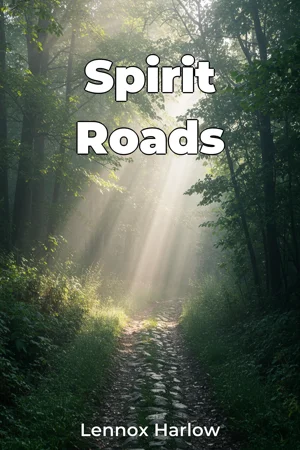
Are you drawn to trails whispered about in hushed tones – pathways believed to connect the earthly and the spiritual? "Spirit Roads" explores the history, mythology, and enduring significance of sacred pathways, ghostly highways, and enchanted trails across diverse cultures, revealing how these routes have shaped human beliefs, rituals, and interactions with the unseen. These "spirit roads" are not merely geographical features; they are cultural artifacts, reflecting humanity's persistent quest to understand the mysteries of life, death, and the transcendent. This book delves into three core interconnected themes. First, we examine the concept of sacred pathways as physical routes imbued with spiritual power. Secondly, we explore the role of ghostly highways in folklore and collective belief systems. Thirdly, the influence of enchanted trails as conduits for transformation and altered states of consciousness is analyzed. These themes are important because they provide a lens through which to understand how different societies have conceptualized the relationship between the physical and metaphysical realms. Consider the ancient pilgrimage routes, like the Camino de Santiago, walked by millions seeking spiritual enlightenment, or the Aboriginal Songlines of Australia, which are both geographical markers and pathways for ancestral spirits. The book explores the historical context in which such pathways arose, examining the social, political, and religious factors that contributed to their perceived sacredness. No specific prerequisite knowledge is required; we will provide context as needed. "Spirit Roads" argues that these pathways, whether real or imagined, serve as potent symbols of humanity's ongoing dialogue with the unknown. They represent a collective yearning for connection, meaning, and transcendence. The book demonstrates the ways in which these roads are not just relics of the past, but continue to influence contemporary spiritual practices and cultural narratives. The book is structured into three primary sections. The first section introduces the core concepts of sacred pathways, ghostly highways, and enchanted trails, establishing a foundation for understanding their historical and cultural significance. The second section delves into specific examples from around the world, analyzing the unique rituals, beliefs, and folklore associated with each. Case studies will include locations in Europe, Asia, Africa, and the Americas, providing a global perspective on the phenomenon of spirit roads. The final section synthesizes these diverse perspectives, exploring the psychological and sociological dimensions of belief in spirit roads and examining their continued relevance in the modern world. The arguments presented are supported by a range of evidence, including historical accounts, anthropological studies, folklore collections, and archaeological findings. Comparative analyses of different cultural traditions are used to identify common themes and variations in the way spirit roads are understood and experienced. The book draws upon primary source materials, such as travelogues, religious texts, and oral histories, to provide firsthand accounts of encounters with these pathways. "Spirit Roads" connects to several interdisciplinary fields, including religious studies, anthropology, and folklore studies, enhancing the book's argument by providing diverse perspectives on the relationship between humans and the spiritual realm. Additionally, the book’s exploration of altered states of consciousness creates links to the field of psychology, and its analysis of pilgrimage routes connects to geography and sociology. This book offers a unique perspective by examining the intersection of geography, mythology, and belief systems, providing new insights into the enduring human fascination with the unseen world. It adopts a narrative non-fiction approach, interweaving historical accounts, anthropological observations, and personal anecdotes to create an engaging and accessible reading experience. The target audience includes readers interested in history, spirituality, folklore, and cultural studies. The content will also appeal to those interested in understanding the diverse ways humans have sought meaning and connection through the lens of geography and belief. "Spirit Roads" satisfies expectations of the genre by presenting factual information in an organized and accessible manner. The book's scope is broad, covering a diverse range of cultures and historical periods. However, the book intentionally limits its focus to pathways that are explicitly recognized as having spiritual or supernatural significance, excluding purely secular routes. The information presented in "Spirit Roads" can be applied practically by readers interested in exploring their own spiritual beliefs, understanding different cultural perspectives, or planning pilgrimages to sacred sites. The book addresses ongoing debates regarding the validity of spiritual experiences and the interpretation of folklore, presenting diverse perspectives and encouraging critical thinking.
Are you drawn to trails whispered about in hushed tones – pathways believed to connect the earthly and the spiritual? "Spirit Roads" explores the history, mythology, and enduring significance of sacred pathways, ghostly highways, and enchanted trails across diverse cultures, revealing how these routes have shaped human beliefs, rituals, and interactions with the unseen. These "spirit roads" are not merely geographical features; they are cultural artifacts, reflecting humanity's persistent quest to understand the mysteries of life, death, and the transcendent. This book delves into three core interconnected themes. First, we examine the concept of sacred pathways as physical routes imbued with spiritual power. Secondly, we explore the role of ghostly highways in folklore and collective belief systems. Thirdly, the influence of enchanted trails as conduits for transformation and altered states of consciousness is analyzed. These themes are important because they provide a lens through which to understand how different societies have conceptualized the relationship between the physical and metaphysical realms. Consider the ancient pilgrimage routes, like the Camino de Santiago, walked by millions seeking spiritual enlightenment, or the Aboriginal Songlines of Australia, which are both geographical markers and pathways for ancestral spirits. The book explores the historical context in which such pathways arose, examining the social, political, and religious factors that contributed to their perceived sacredness. No specific prerequisite knowledge is required; we will provide context as needed. "Spirit Roads" argues that these pathways, whether real or imagined, serve as potent symbols of humanity's ongoing dialogue with the unknown. They represent a collective yearning for connection, meaning, and transcendence. The book demonstrates the ways in which these roads are not just relics of the past, but continue to influence contemporary spiritual practices and cultural narratives. The book is structured into three primary sections. The first section introduces the core concepts of sacred pathways, ghostly highways, and enchanted trails, establishing a foundation for understanding their historical and cultural significance. The second section delves into specific examples from around the world, analyzing the unique rituals, beliefs, and folklore associated with each. Case studies will include locations in Europe, Asia, Africa, and the Americas, providing a global perspective on the phenomenon of spirit roads. The final section synthesizes these diverse perspectives, exploring the psychological and sociological dimensions of belief in spirit roads and examining their continued relevance in the modern world. The arguments presented are supported by a range of evidence, including historical accounts, anthropological studies, folklore collections, and archaeological findings. Comparative analyses of different cultural traditions are used to identify common themes and variations in the way spirit roads are understood and experienced. The book draws upon primary source materials, such as travelogues, religious texts, and oral histories, to provide firsthand accounts of encounters with these pathways. "Spirit Roads" connects to several interdisciplinary fields, including religious studies, anthropology, and folklore studies, enhancing the book's argument by providing diverse perspectives on the relationship between humans and the spiritual realm. Additionally, the book’s exploration of altered states of consciousness creates links to the field of psychology, and its analysis of pilgrimage routes connects to geography and sociology. This book offers a unique perspective by examining the intersection of geography, mythology, and belief systems, providing new insights into the enduring human fascination with the unseen world. It adopts a narrative non-fiction approach, interweaving historical accounts, anthropological observations, and personal anecdotes to create an engaging and accessible reading experience. The target audience includes readers interested in history, spirituality, folklore, and cultural studies. The content will also appeal to those interested in understanding the diverse ways humans have sought meaning and connection through the lens of geography and belief. "Spirit Roads" satisfies expectations of the genre by presenting factual information in an organized and accessible manner. The book's scope is broad, covering a diverse range of cultures and historical periods. However, the book intentionally limits its focus to pathways that are explicitly recognized as having spiritual or supernatural significance, excluding purely secular routes. The information presented in "Spirit Roads" can be applied practically by readers interested in exploring their own spiritual beliefs, understanding different cultural perspectives, or planning pilgrimages to sacred sites. The book addresses ongoing debates regarding the validity of spiritual experiences and the interpretation of folklore, presenting diverse perspectives and encouraging critical thinking.
"Spirit Roads" explores the captivating world of sacred pathways, ghostly highways, and enchanted trails across cultures, revealing their profound impact on human spirituality, belief systems, and historical narratives. These routes, often steeped in folklore, represent more than just physical locations; they are cultural artifacts reflecting humanity's enduring quest for meaning and connection with the unseen. The book examines how different societies have conceptualized the relationship between the physical and metaphysical realms, using examples like ancient pilgrimage routes, such as the Camino de Santiago, and Aboriginal Songlines. The book delves into the historical context of these pathways, analyzing the social, political, and religious factors that contributed to their perceived sacredness. It adopts a narrative non-fiction approach, interweaving historical accounts, anthropological observations, and personal anecdotes. "Spirit Roads" is structured into three sections, first introducing core concepts, then delving into specific global examples, and finally synthesizing diverse perspectives to explore the relevance of these spirit roads in the modern world. This exploration offers readers insights into spiritual beliefs and diverse cultural perspectives.
Book Details
ISBN
9788235200914
Publisher
Publifye AS
Your Licenses
You don't own any licenses for this book
Purchase a license below to unlock this book and download the EPUB.
Purchase License
Select a tier to unlock this book
Need bulk licensing?
Contact us for enterprise agreements.