
About This Book
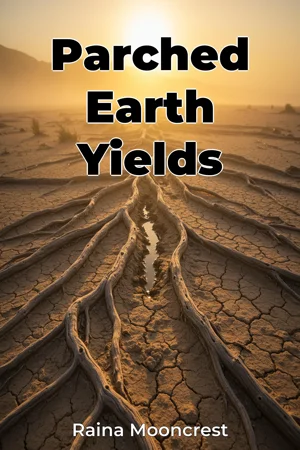
What lies beneath the cracked surface of a parched landscape? 'Parched Earth Yields' delves into the intricate relationship between desert environments, groundwater resources, and the survival strategies of both plant life and human societies. This book, situated within the genres of Nature, Earth Sciences, and Geography, examines the hidden world of subterranean water in arid regions, illustrating its crucial role in sustaining life and shaping ecosystems. The book centers on three core themes: the geological processes that govern groundwater availability in deserts, the adaptive mechanisms of desert flora in accessing this water, and the human ingenuity employed in locating, extracting, and managing this precious resource. These topics are paramount because desert regions are increasingly vulnerable to climate change and population pressures, making understanding and sustainable management of groundwater critical for ecological stability and human well-being. To fully appreciate these themes, some background knowledge of basic hydrological principles, plant physiology, and water resource management is helpful. However, the book explains these concepts as they are introduced, ensuring accessibility for a broad audience. The central argument of 'Parched Earth Yields' is that a comprehensive understanding of the interconnectedness between desert geology, plant root systems, and human water management practices is essential for developing sustainable strategies in arid environments. This argument is significant due to increasing concerns about desertification, water scarcity, and their impacts on biodiversity and human livelihoods. The book is structured to systematically explore these interconnected elements. First, it introduces the geological formations that act as aquifers in desert regions, detailing how these formations are created and how groundwater is stored and recharged. It then transitions into an exploration of plant root systems, revealing the diverse and ingenious methods by which desert plants access deep groundwater sources. Finally, the book examines human strategies for locating, extracting, and managing groundwater, including traditional methods and modern technologies. The culmination of these discussions suggests integrated approaches to water resource management that prioritize ecological sustainability and social equity. Evidence presented throughout the book draws from a variety of sources, including geological surveys, botanical research, hydrological data, and case studies of successful and unsuccessful water management projects. Original field research, including the analysis of plant root systems in specific desert environments and hydrological monitoring data, is also highlighted. 'Parched Earth Yields' connects to several other disciplines, including ecology, anthropology, and environmental policy. The ecological connection is evident in the discussion of how groundwater availability shapes desert ecosystems. The anthropological angle emerges through the examination of traditional water management practices of desert-dwelling communities. The environmental policy connection is crucial in evaluating the effectiveness of different water management strategies and informing future policy decisions. A unique aspect of this book is its integrated approach, combining geological, botanical, and human perspectives. It moves beyond a purely scientific analysis to consider the social and cultural dimensions of water resource management in desert regions. The tone is informative and accessible, making complex scientific concepts understandable for a broad readership. While grounded in scientific rigor, the writing style avoids excessive jargon and emphasizes clear explanations and real-world examples. The target audience includes students and researchers in earth sciences, environmental studies, botany, and geography, as well as policymakers and water resource managers working in arid regions. It will also appeal to general readers interested in nature, conservation, and sustainable development. As a work of non-fiction, 'Parched Earth Yields' adheres to the conventions of accuracy, objectivity, and evidence-based analysis. It distinguishes itself with its interdisciplinary approach, going beyond simple reporting of facts to provide an integrated analysis of complex environmental challenges. The scope of the book is limited to groundwater resources in desert environments, excluding other water sources such as surface water or atmospheric moisture harvesting. The focus is on the ecological and human dimensions of groundwater use, with less emphasis on detailed engineering aspects of water extraction technologies. The information in 'Parched Earth Yields' has numerous real-world applications. It can inform sustainable water management strategies, guide conservation efforts, and promote greater awareness of the importance of groundwater resources in desert regions. Understanding the dynamics of desert ecosystems and human interactions with these environments is crucial for developing effective solutions to water scarcity and desertification. The book addresses ongoing debates about the sustainability of groundwater extraction in desert regions, the effectiveness of different water management strategies, and the ethical considerations of water allocation. It promotes a balanced perspective that considers both human needs and ecological sustainability.
What lies beneath the cracked surface of a parched landscape? 'Parched Earth Yields' delves into the intricate relationship between desert environments, groundwater resources, and the survival strategies of both plant life and human societies. This book, situated within the genres of Nature, Earth Sciences, and Geography, examines the hidden world of subterranean water in arid regions, illustrating its crucial role in sustaining life and shaping ecosystems. The book centers on three core themes: the geological processes that govern groundwater availability in deserts, the adaptive mechanisms of desert flora in accessing this water, and the human ingenuity employed in locating, extracting, and managing this precious resource. These topics are paramount because desert regions are increasingly vulnerable to climate change and population pressures, making understanding and sustainable management of groundwater critical for ecological stability and human well-being. To fully appreciate these themes, some background knowledge of basic hydrological principles, plant physiology, and water resource management is helpful. However, the book explains these concepts as they are introduced, ensuring accessibility for a broad audience. The central argument of 'Parched Earth Yields' is that a comprehensive understanding of the interconnectedness between desert geology, plant root systems, and human water management practices is essential for developing sustainable strategies in arid environments. This argument is significant due to increasing concerns about desertification, water scarcity, and their impacts on biodiversity and human livelihoods. The book is structured to systematically explore these interconnected elements. First, it introduces the geological formations that act as aquifers in desert regions, detailing how these formations are created and how groundwater is stored and recharged. It then transitions into an exploration of plant root systems, revealing the diverse and ingenious methods by which desert plants access deep groundwater sources. Finally, the book examines human strategies for locating, extracting, and managing groundwater, including traditional methods and modern technologies. The culmination of these discussions suggests integrated approaches to water resource management that prioritize ecological sustainability and social equity. Evidence presented throughout the book draws from a variety of sources, including geological surveys, botanical research, hydrological data, and case studies of successful and unsuccessful water management projects. Original field research, including the analysis of plant root systems in specific desert environments and hydrological monitoring data, is also highlighted. 'Parched Earth Yields' connects to several other disciplines, including ecology, anthropology, and environmental policy. The ecological connection is evident in the discussion of how groundwater availability shapes desert ecosystems. The anthropological angle emerges through the examination of traditional water management practices of desert-dwelling communities. The environmental policy connection is crucial in evaluating the effectiveness of different water management strategies and informing future policy decisions. A unique aspect of this book is its integrated approach, combining geological, botanical, and human perspectives. It moves beyond a purely scientific analysis to consider the social and cultural dimensions of water resource management in desert regions. The tone is informative and accessible, making complex scientific concepts understandable for a broad readership. While grounded in scientific rigor, the writing style avoids excessive jargon and emphasizes clear explanations and real-world examples. The target audience includes students and researchers in earth sciences, environmental studies, botany, and geography, as well as policymakers and water resource managers working in arid regions. It will also appeal to general readers interested in nature, conservation, and sustainable development. As a work of non-fiction, 'Parched Earth Yields' adheres to the conventions of accuracy, objectivity, and evidence-based analysis. It distinguishes itself with its interdisciplinary approach, going beyond simple reporting of facts to provide an integrated analysis of complex environmental challenges. The scope of the book is limited to groundwater resources in desert environments, excluding other water sources such as surface water or atmospheric moisture harvesting. The focus is on the ecological and human dimensions of groundwater use, with less emphasis on detailed engineering aspects of water extraction technologies. The information in 'Parched Earth Yields' has numerous real-world applications. It can inform sustainable water management strategies, guide conservation efforts, and promote greater awareness of the importance of groundwater resources in desert regions. Understanding the dynamics of desert ecosystems and human interactions with these environments is crucial for developing effective solutions to water scarcity and desertification. The book addresses ongoing debates about the sustainability of groundwater extraction in desert regions, the effectiveness of different water management strategies, and the ethical considerations of water allocation. It promotes a balanced perspective that considers both human needs and ecological sustainability.
"Parched Earth Yields" explores the vital connection between groundwater, plant life, and human societies in desert environments. It highlights how geological processes govern water availability, while showcasing the remarkable adaptations of plant root systems to access this essential resource. Did you know that some desert plants have roots that extend over 100 feet deep to reach groundwater? The book also delves into human strategies for locating and managing this precious resource, underscoring the necessity for sustainable practices in the face of increasing desertification. This book uniquely combines earth sciences, nature, and geography to present an integrated view of water resource management. It moves systematically from geological formations that act as aquifers to the ingenious methods plants use to tap into deep water sources. Finally, it examines human approaches to water management, advocating for ecological sustainability and social equity. Understanding these interconnections is key to addressing water scarcity and ensuring the long-term health of arid regions.
Book Details
ISBN
9788235200907
Publisher
Publifye AS
Your Licenses
You don't own any licenses for this book
Purchase a license below to unlock this book and download the EPUB.
Purchase License
Select a tier to unlock this book
Need bulk licensing?
Contact us for enterprise agreements.