
About This Book
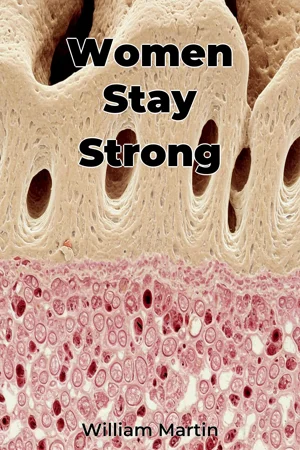
Are you experiencing subtle changes in your body that leave you feeling less strong and vibrant than you once did? "Women Stay Strong" addresses the crucial aspects of maintaining bone health in women, offering a science-backed approach to understanding and proactively combating bone density loss. This book delves into the interconnectedness of nutrition, biology, and health, providing a comprehensive guide to navigating the complexities of bone health throughout a woman's life. This book examines two key pillars: the science of bone health and the practical applications of dietary and lifestyle modifications. Understanding bone remodeling, the roles of various nutrients, and the influence of hormonal changes are vital. The book also explores the importance of consistent exercise. These topics are significant because osteoporosis and osteopenia disproportionately affect women, leading to fractures, reduced mobility, and a diminished quality of life. We begin by establishing a foundation in the biological processes that govern bone health. We present the relevant basics of bone anatomy and physiology to understand how bones grow, remodel, and respond to various influences. Hormonal shifts are also covered. The central argument is that proactive, informed choices about nutrition and exercise can significantly mitigate the risk of bone density loss and promote lifelong skeletal strength. We advocate for a holistic approach, emphasizing that bone health is not solely dependent on calcium intake but rather on a combination of factors. The book's structure begins with an introduction to bone biology, detailing the cellular and molecular mechanisms responsible for bone formation and resorption. Then, we scrutinize the research surrounding key nutrients, with a dedicated chapter highlighting the often-overlooked benefits of vitamin K2 and its synergistic relationship with vitamin D. The subsequent section focuses on the importance of weight-bearing and resistance exercises, supplemented with detailed exercise recommendations and safety precautions. Finally, the book culminates in actionable strategies for integrating these principles into daily life, including meal planning, exercise routines, and guidance on navigating medical interventions when necessary. The book's arguments are grounded in rigorous scientific research, drawing upon data from epidemiological studies, clinical trials, and meta-analyses published in peer-reviewed journals. We analyze a range of data sources, from large-scale population studies to targeted interventions, with an emphasis on the evidence supporting the role of diet and exercise in bone health. The book also analyzes research on bone density and fracture risk. "Women Stay Strong" also connects to several related fields. It draws on research in endocrinology to explain the influence of hormones on bone metabolism. The book integrates knowledge from exercise physiology to understand how physical activity stimulates bone growth. It aligns with nutritional science to define optimal dietary strategies for promoting bone health, including the synergistic effects of various nutrients. The book distinguishes itself by offering a complete and actionable guide that empowers women to take control of their bone health. It avoids oversimplified advice, instead, offers an evidence-based, in-depth exploration of all relevant factors. It provides a balanced perspective, acknowledging both the potential benefits and limitations of various interventions. The tone is professional yet approachable, designed to be accessible to readers without a scientific background while maintaining accuracy and rigor. The writing style is clear, concise, and engaging, with complex concepts explained in a way that is easy to understand. The target audience includes women of all ages who are interested in proactively maintaining their bone health, as well as healthcare professionals seeking a comprehensive resource on the topic. This book is valuable because it goes beyond conventional wisdom, providing a deeper understanding of the science behind bone health and empowering readers to make informed decisions. As a health and fitness book, "Women Stay Strong" fulfills the genre's expectation of providing practical, evidence-based advice for improving overall well-being. It acknowledges that bone health is a lifelong journey, emphasizing preventive measures and early intervention. The book's scope encompasses the major factors influencing bone health in women, from genetics and hormones to nutrition and exercise. The book does not delve into the specifics of rare bone disorders or complex medical treatments. The book is focused on the practical aspects of bone health. Readers can immediately apply the information in this book by making specific changes to their diet and exercise routine. The book provides meal plans, exercise programs, and tools for tracking progress, enabling readers to actively manage their bone health. The book addresses some controversies surrounding the use of hormone replacement therapy (HRT) for bone health, presenting the latest research and offering a balanced perspective on the risks and benefits. It also discusses debates surrounding the optimal dosage of vitamin D and the role of supplements in bone health.
Are you experiencing subtle changes in your body that leave you feeling less strong and vibrant than you once did? "Women Stay Strong" addresses the crucial aspects of maintaining bone health in women, offering a science-backed approach to understanding and proactively combating bone density loss. This book delves into the interconnectedness of nutrition, biology, and health, providing a comprehensive guide to navigating the complexities of bone health throughout a woman's life. This book examines two key pillars: the science of bone health and the practical applications of dietary and lifestyle modifications. Understanding bone remodeling, the roles of various nutrients, and the influence of hormonal changes are vital. The book also explores the importance of consistent exercise. These topics are significant because osteoporosis and osteopenia disproportionately affect women, leading to fractures, reduced mobility, and a diminished quality of life. We begin by establishing a foundation in the biological processes that govern bone health. We present the relevant basics of bone anatomy and physiology to understand how bones grow, remodel, and respond to various influences. Hormonal shifts are also covered. The central argument is that proactive, informed choices about nutrition and exercise can significantly mitigate the risk of bone density loss and promote lifelong skeletal strength. We advocate for a holistic approach, emphasizing that bone health is not solely dependent on calcium intake but rather on a combination of factors. The book's structure begins with an introduction to bone biology, detailing the cellular and molecular mechanisms responsible for bone formation and resorption. Then, we scrutinize the research surrounding key nutrients, with a dedicated chapter highlighting the often-overlooked benefits of vitamin K2 and its synergistic relationship with vitamin D. The subsequent section focuses on the importance of weight-bearing and resistance exercises, supplemented with detailed exercise recommendations and safety precautions. Finally, the book culminates in actionable strategies for integrating these principles into daily life, including meal planning, exercise routines, and guidance on navigating medical interventions when necessary. The book's arguments are grounded in rigorous scientific research, drawing upon data from epidemiological studies, clinical trials, and meta-analyses published in peer-reviewed journals. We analyze a range of data sources, from large-scale population studies to targeted interventions, with an emphasis on the evidence supporting the role of diet and exercise in bone health. The book also analyzes research on bone density and fracture risk. "Women Stay Strong" also connects to several related fields. It draws on research in endocrinology to explain the influence of hormones on bone metabolism. The book integrates knowledge from exercise physiology to understand how physical activity stimulates bone growth. It aligns with nutritional science to define optimal dietary strategies for promoting bone health, including the synergistic effects of various nutrients. The book distinguishes itself by offering a complete and actionable guide that empowers women to take control of their bone health. It avoids oversimplified advice, instead, offers an evidence-based, in-depth exploration of all relevant factors. It provides a balanced perspective, acknowledging both the potential benefits and limitations of various interventions. The tone is professional yet approachable, designed to be accessible to readers without a scientific background while maintaining accuracy and rigor. The writing style is clear, concise, and engaging, with complex concepts explained in a way that is easy to understand. The target audience includes women of all ages who are interested in proactively maintaining their bone health, as well as healthcare professionals seeking a comprehensive resource on the topic. This book is valuable because it goes beyond conventional wisdom, providing a deeper understanding of the science behind bone health and empowering readers to make informed decisions. As a health and fitness book, "Women Stay Strong" fulfills the genre's expectation of providing practical, evidence-based advice for improving overall well-being. It acknowledges that bone health is a lifelong journey, emphasizing preventive measures and early intervention. The book's scope encompasses the major factors influencing bone health in women, from genetics and hormones to nutrition and exercise. The book does not delve into the specifics of rare bone disorders or complex medical treatments. The book is focused on the practical aspects of bone health. Readers can immediately apply the information in this book by making specific changes to their diet and exercise routine. The book provides meal plans, exercise programs, and tools for tracking progress, enabling readers to actively manage their bone health. The book addresses some controversies surrounding the use of hormone replacement therapy (HRT) for bone health, presenting the latest research and offering a balanced perspective on the risks and benefits. It also discusses debates surrounding the optimal dosage of vitamin D and the role of supplements in bone health.
"Women Stay Strong" offers a comprehensive guide to maintaining bone health, tailored specifically for women. It addresses the science behind bone density loss and presents proactive strategies involving nutrition and exercise. The book emphasizes that bone health isn't solely about calcium; it's a multifaceted issue involving hormonal changes and bone remodeling. Did you know that Vitamin K2 works synergistically with Vitamin D to support bone health? By understanding these elements, women can take informed control of their health. The book begins with an introduction to bone biology, then examines key nutrients like vitamin K2 and vitamin D, and finally focuses on the importance of weight-bearing and resistance exercises. It provides actionable strategies for integrating these principles into daily life. This approach ensures readers gain both theoretical knowledge and practical tools for lifelong skeletal strength, making it a valuable resource for anyone interested in health and fitness.
Book Details
ISBN
9788235200877
Publisher
Publifye AS
Your Licenses
You don't own any licenses for this book
Purchase a license below to unlock this book and download the EPUB.
Purchase License
Select a tier to unlock this book
Need bulk licensing?
Contact us for enterprise agreements.