
About This Book
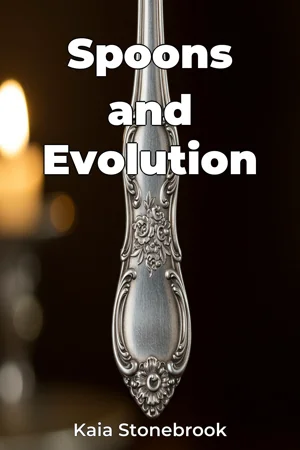
Have you ever considered the humble spoon as a key to understanding human history and cultural evolution? "Spoons and Evolution" argues that this seemingly simple utensil offers a unique lens through which to examine human ingenuity, adaptation, and societal development across millennia. This book explores the history of the spoon, its diverse forms and functions across global cultures, and its surprising connections to fields ranging from anthropology and archaeology to material science and culinary history. The book centers around three key themes: first, the technological evolution of the spoon, tracing its development from rudimentary scoops to the mass-produced implements of today; second, the cultural significance of the spoon as a symbol of status, ritual, and identity within diverse societies; and third, the environmental impact of spoon production and disposal, considering the sustainability of different materials and manufacturing processes. Understanding these themes is crucial for appreciating the spoon's profound influence on human civilization and its continued relevance in a rapidly changing world. We will delve into the archaeological record, examining early examples of spoons crafted from bone, shell, and wood, reflecting the ingenuity of early humans in adapting to available resources. Later chapters explore the symbolism and ceremony associated with spoons in various cultures, from ancient Egyptian alabaster spoons used in religious rituals to the silver spoons bestowed as christening gifts in Victorian England, representing prosperity and good fortune. "Spoons and Evolution" posits that the spoon's enduring presence in human societies reflects its fundamental role in facilitating sustenance, social interaction, and cultural expression. This argument is supported by archaeological findings, ethnographic studies, and material analyses of spoons from around the world. The book unfolds in a structured narrative, beginning with an examination of the earliest known spoons and their materials, followed by an exploration of the cultural significance of spoons in different historical periods and geographical regions. We will consider the impact of industrialization on spoon production and the rise of mass-produced cutlery. The book culminates with a discussion of modern spoon design, sustainability considerations, and the potential future of this ubiquitous tool. Our research draws upon a wide range of sources, including archaeological reports, museum collections, historical texts, and scientific studies of material properties. We also incorporate original analyses of spoon designs and manufacturing techniques, offering fresh insights into the evolution of this essential implement. Historical trade records, colonial inventories, and modern manufacturing data offer a perspective on the spoon's integration into globalized society. The study of spoons intersects with various disciplines. Anthropology is central, illuminating cultural practices surrounding food and dining. Archaeological finds provide tangible evidence of early tool use and societal development. Material science offers insights into the properties and production of different types of spoons, from wooden ladles to surgical stainless steel instruments. Linking social and political conditions to changes in material culture allows for a unique perspective on history. This book offers a unique perspective by examining the evolution of human society through the seemingly narrow, but surprisingly rich, lens of a single object. It is written to be accessible to a broad audience, including students, researchers, and anyone with an interest in history, culture, or material objects. The writing style is engaging and informative, blending scientific rigor with narrative flair to bring the story of the spoon to life. "Spoons and Evolution" is specifically aimed at readers interested in material culture, food history, archaeology, and design. It provides valuable insights into the evolution of technology, the diversity of human cultures, and the relationship between objects and society. As a work of non-fiction, it adheres to the principles of accuracy, objectivity, and evidence-based reasoning. While the book aims to provide a comprehensive overview of spoon history, it focuses primarily on the cultural and technological aspects, with less emphasis on the strictly scientific aspects of metallurgy or materials chemistry. The information presented has real-world applications for designers, manufacturers, and consumers interested in creating more sustainable and culturally sensitive products. By understanding the history and evolution of the spoon, we can gain valuable insights into the challenges and opportunities facing our increasingly interconnected world. While controversies surrounding specific cultural practices relating to eating utensils exist, the book focuses on objective historical and material analysis, avoiding direct engagement with contemporary debates on etiquette or cultural appropriation.
Have you ever considered the humble spoon as a key to understanding human history and cultural evolution? "Spoons and Evolution" argues that this seemingly simple utensil offers a unique lens through which to examine human ingenuity, adaptation, and societal development across millennia. This book explores the history of the spoon, its diverse forms and functions across global cultures, and its surprising connections to fields ranging from anthropology and archaeology to material science and culinary history. The book centers around three key themes: first, the technological evolution of the spoon, tracing its development from rudimentary scoops to the mass-produced implements of today; second, the cultural significance of the spoon as a symbol of status, ritual, and identity within diverse societies; and third, the environmental impact of spoon production and disposal, considering the sustainability of different materials and manufacturing processes. Understanding these themes is crucial for appreciating the spoon's profound influence on human civilization and its continued relevance in a rapidly changing world. We will delve into the archaeological record, examining early examples of spoons crafted from bone, shell, and wood, reflecting the ingenuity of early humans in adapting to available resources. Later chapters explore the symbolism and ceremony associated with spoons in various cultures, from ancient Egyptian alabaster spoons used in religious rituals to the silver spoons bestowed as christening gifts in Victorian England, representing prosperity and good fortune. "Spoons and Evolution" posits that the spoon's enduring presence in human societies reflects its fundamental role in facilitating sustenance, social interaction, and cultural expression. This argument is supported by archaeological findings, ethnographic studies, and material analyses of spoons from around the world. The book unfolds in a structured narrative, beginning with an examination of the earliest known spoons and their materials, followed by an exploration of the cultural significance of spoons in different historical periods and geographical regions. We will consider the impact of industrialization on spoon production and the rise of mass-produced cutlery. The book culminates with a discussion of modern spoon design, sustainability considerations, and the potential future of this ubiquitous tool. Our research draws upon a wide range of sources, including archaeological reports, museum collections, historical texts, and scientific studies of material properties. We also incorporate original analyses of spoon designs and manufacturing techniques, offering fresh insights into the evolution of this essential implement. Historical trade records, colonial inventories, and modern manufacturing data offer a perspective on the spoon's integration into globalized society. The study of spoons intersects with various disciplines. Anthropology is central, illuminating cultural practices surrounding food and dining. Archaeological finds provide tangible evidence of early tool use and societal development. Material science offers insights into the properties and production of different types of spoons, from wooden ladles to surgical stainless steel instruments. Linking social and political conditions to changes in material culture allows for a unique perspective on history. This book offers a unique perspective by examining the evolution of human society through the seemingly narrow, but surprisingly rich, lens of a single object. It is written to be accessible to a broad audience, including students, researchers, and anyone with an interest in history, culture, or material objects. The writing style is engaging and informative, blending scientific rigor with narrative flair to bring the story of the spoon to life. "Spoons and Evolution" is specifically aimed at readers interested in material culture, food history, archaeology, and design. It provides valuable insights into the evolution of technology, the diversity of human cultures, and the relationship between objects and society. As a work of non-fiction, it adheres to the principles of accuracy, objectivity, and evidence-based reasoning. While the book aims to provide a comprehensive overview of spoon history, it focuses primarily on the cultural and technological aspects, with less emphasis on the strictly scientific aspects of metallurgy or materials chemistry. The information presented has real-world applications for designers, manufacturers, and consumers interested in creating more sustainable and culturally sensitive products. By understanding the history and evolution of the spoon, we can gain valuable insights into the challenges and opportunities facing our increasingly interconnected world. While controversies surrounding specific cultural practices relating to eating utensils exist, the book focuses on objective historical and material analysis, avoiding direct engagement with contemporary debates on etiquette or cultural appropriation.
"Spoons and Evolution" presents a captivating exploration of human history through the surprisingly insightful lens of the spoon. This book argues that this simple utensil reveals profound aspects of human ingenuity, cultural adaptation, and societal development across millennia. From ancient scoops fashioned from bone and shell to modern, mass-produced cutlery, the evolution of the spoon mirrors our own. The book highlights the spoon's technological development, its cultural significance as a symbol of status and ritual, and the environmental impacts of its production. The book delves into the cultural importance of spoons, illustrating how they reflect social interactions and cultural expression. For instance, ancient Egyptians used ornate alabaster spoons in religious ceremonies, while Victorian England saw silver spoons gifted at christenings as symbols of prosperity. The book examines archaeological findings, ethnographic studies, and material analyses to support its arguments. Unfolding across chapters, "Spoons and Evolution" begins with the earliest known spoons and their materials, progresses through their cultural significance in different historical periods and regions, and culminates with a discussion of modern design and sustainability. This approach offers a unique perspective on technology, human cultures, and the intricate relationship between objects and society.
Book Details
ISBN
9788235200662
Publisher
Publifye AS
Your Licenses
You don't own any licenses for this book
Purchase a license below to unlock this book and download the EPUB.
Purchase License
Select a tier to unlock this book
Need bulk licensing?
Contact us for enterprise agreements.