
About This Book
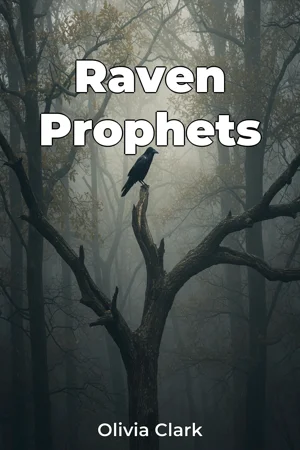
Have you ever wondered why ravens are so often depicted as messengers of the gods, omens of death, or symbols of profound wisdom? Raven Prophets delves into the intricate and enduring links between ravens, other birds, and human understanding of prophecy, mortality, and knowledge across cultures and throughout history. This book explores the confluence of science, mythology, and literature, highlighting how these avian creatures have shaped our spiritual and intellectual landscapes. One key topic examined is the pervasive role of birds in divination and prophecy. From ancient Roman augurs interpreting bird flight patterns to Norse legends of Odin’s ravens, Huginn and Muninn ("thought" and "memory"), acting as his eyes and ears, birds have consistently served as conduits to the divine. This book investigates the origins and evolution of these beliefs, examining their impact on religious practices and philosophical thought. Another significant theme explores the association of ravens with death and the afterlife. Across numerous cultures, ravens are viewed as psychopomps—guides of souls—or as carrion eaters, symbols of decay and transformation. This book analyzes the cultural and psychological underpinnings of this association, considering how these birds reflect our complex relationship with mortality. Finally, Raven Prophets addresses the depiction of birds as symbols of wisdom and intellect. This includes examining their representation in literature, art, and folklore, from Aesop’s fables to Edgar Allan Poe’s iconic poem, “The Raven.” To provide context, this book draws on historical accounts, anthropological studies, and scientific research, including ethology and ornithology. It examines ancient texts, folklore, and literary works to trace the evolution of bird symbolism across different eras and geographical regions. The central argument of Raven Prophets is that the enduring presence of birds in mythology and literature reflects not only their observable behaviors and ecological roles but also our deep-seated need to find meaning and order in the natural world. This book argues that studying these avian representations offers valuable insights into human cognition, cultural development, and the enduring quest for understanding our place in the universe. The book begins by introducing the main concepts of bird symbolism across different cultures. It proceeds to examine specific topics such as avian divination in ancient civilizations, the raven's role in death-related rituals and beliefs, and the portrayal of birds as symbols of knowledge in literature and art. The book culminates in a discussion of the contemporary relevance of these ancient associations, exploring how they continue to influence our perceptions and interactions with the natural world. It also examines the ecological realities versus the myths created, and the impact of these on conservation efforts. The evidence presented is drawn from a range of sources, including archaeological findings, historical texts, ethnographic studies, and literary analyses. Unique data sources include lesser-known folklore archives and comparative analyses of bird imagery in different artistic traditions. The book employs an interdisciplinary approach, connecting science, literature, and religious studies to offer a comprehensive understanding of avian symbolism. This interdisciplinary approach enriches the book's analysis by providing multiple perspectives on the same phenomenon. Raven Prophets offers a unique perspective by examining the intersection of scientific understanding and cultural interpretation. It moves past simple cataloging of myths to explore the evolutionary and psychological roots of our fascination with these creatures. The tone is academic yet accessible, aiming to engage both scholars and general readers interested in the natural world, mythology, and cultural history. The target audience includes students and researchers in fields such as anthropology, religious studies, literature, and ornithology, as well as anyone with a general interest in birds, mythology, or cultural symbolism. As a work of non-fiction, Raven Prophets adheres to principles of factual accuracy and scholarly rigor. While it explores a wide range of cultural traditions, the book acknowledges the limitations of interpreting historical and mythological sources and focuses on verifiable data and well-supported interpretations. The information presented in Raven Prophets can be applied to various real-world contexts, including environmental education, cultural heritage preservation, and even therapeutic practices that utilize nature-based metaphors. This book contributes to ongoing debates about the relationship between humans and the natural world, particularly regarding the ethical implications of our symbolic representations of other species.
Have you ever wondered why ravens are so often depicted as messengers of the gods, omens of death, or symbols of profound wisdom? Raven Prophets delves into the intricate and enduring links between ravens, other birds, and human understanding of prophecy, mortality, and knowledge across cultures and throughout history. This book explores the confluence of science, mythology, and literature, highlighting how these avian creatures have shaped our spiritual and intellectual landscapes. One key topic examined is the pervasive role of birds in divination and prophecy. From ancient Roman augurs interpreting bird flight patterns to Norse legends of Odin’s ravens, Huginn and Muninn ("thought" and "memory"), acting as his eyes and ears, birds have consistently served as conduits to the divine. This book investigates the origins and evolution of these beliefs, examining their impact on religious practices and philosophical thought. Another significant theme explores the association of ravens with death and the afterlife. Across numerous cultures, ravens are viewed as psychopomps—guides of souls—or as carrion eaters, symbols of decay and transformation. This book analyzes the cultural and psychological underpinnings of this association, considering how these birds reflect our complex relationship with mortality. Finally, Raven Prophets addresses the depiction of birds as symbols of wisdom and intellect. This includes examining their representation in literature, art, and folklore, from Aesop’s fables to Edgar Allan Poe’s iconic poem, “The Raven.” To provide context, this book draws on historical accounts, anthropological studies, and scientific research, including ethology and ornithology. It examines ancient texts, folklore, and literary works to trace the evolution of bird symbolism across different eras and geographical regions. The central argument of Raven Prophets is that the enduring presence of birds in mythology and literature reflects not only their observable behaviors and ecological roles but also our deep-seated need to find meaning and order in the natural world. This book argues that studying these avian representations offers valuable insights into human cognition, cultural development, and the enduring quest for understanding our place in the universe. The book begins by introducing the main concepts of bird symbolism across different cultures. It proceeds to examine specific topics such as avian divination in ancient civilizations, the raven's role in death-related rituals and beliefs, and the portrayal of birds as symbols of knowledge in literature and art. The book culminates in a discussion of the contemporary relevance of these ancient associations, exploring how they continue to influence our perceptions and interactions with the natural world. It also examines the ecological realities versus the myths created, and the impact of these on conservation efforts. The evidence presented is drawn from a range of sources, including archaeological findings, historical texts, ethnographic studies, and literary analyses. Unique data sources include lesser-known folklore archives and comparative analyses of bird imagery in different artistic traditions. The book employs an interdisciplinary approach, connecting science, literature, and religious studies to offer a comprehensive understanding of avian symbolism. This interdisciplinary approach enriches the book's analysis by providing multiple perspectives on the same phenomenon. Raven Prophets offers a unique perspective by examining the intersection of scientific understanding and cultural interpretation. It moves past simple cataloging of myths to explore the evolutionary and psychological roots of our fascination with these creatures. The tone is academic yet accessible, aiming to engage both scholars and general readers interested in the natural world, mythology, and cultural history. The target audience includes students and researchers in fields such as anthropology, religious studies, literature, and ornithology, as well as anyone with a general interest in birds, mythology, or cultural symbolism. As a work of non-fiction, Raven Prophets adheres to principles of factual accuracy and scholarly rigor. While it explores a wide range of cultural traditions, the book acknowledges the limitations of interpreting historical and mythological sources and focuses on verifiable data and well-supported interpretations. The information presented in Raven Prophets can be applied to various real-world contexts, including environmental education, cultural heritage preservation, and even therapeutic practices that utilize nature-based metaphors. This book contributes to ongoing debates about the relationship between humans and the natural world, particularly regarding the ethical implications of our symbolic representations of other species.
"Raven Prophets" explores the deep-seated connections between ravens, other birds, and human understanding of prophecy, mortality, and knowledge across cultures and history. It examines how these avian creatures have shaped our spiritual and intellectual landscapes, diving into the confluence of science, mythology, and literature. A key insight reveals how birds have been used in divination, with ancient Roman augurs interpreting flight patterns and Norse legends featuring Odin's ravens, Huginn and Muninn, as conduits to the divine. Furthermore, the book uncovers the pervasive association of ravens with death, exploring their role as psychopomps or symbols of decay and transformation in various cultures. This study uniquely blends scientific research, including ornithology, with historical accounts and anthropological studies to trace the evolution of avian symbolism. The book's approach progresses from introducing core concepts of bird symbolism to examining specific topics such as avian divination, the raven's role in death rituals, and the portrayal of birds as symbols of knowledge. By examining folklore, literature, and art, "Raven Prophets" argues that the enduring presence of birds in our stories reflects our need to find meaning in the natural world, offering insights into human cognition and cultural development.
Book Details
ISBN
9788235200600
Publisher
Publifye AS
Your Licenses
You don't own any licenses for this book
Purchase a license below to unlock this book and download the EPUB.
Purchase License
Select a tier to unlock this book
Need bulk licensing?
Contact us for enterprise agreements.