
About This Book
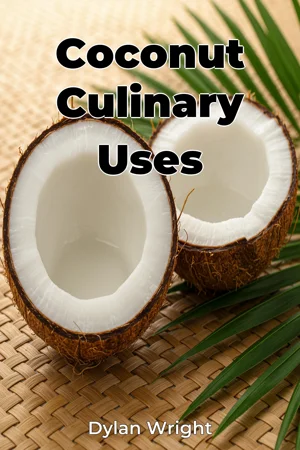
Did you know that a single plant provides sustenance, shelter, and countless resources to millions across the globe? "Coconut Culinary Uses" delves into the complete utilization of the coconut palm, exploring its profound impact on cultures throughout the Pacific and Indian Oceans. This book examines the fruit's versatile applications, from its refreshing water and succulent meat to its processed forms like oil and fiber, and its central role in diverse culinary traditions. This exploration is significant because it highlights the intersection of food, culture, and sustainability. Understanding how different societies have ingeniously utilized the coconut palm offers valuable insights into resource management and food security. Furthermore, as global interest in plant-based diets and sustainable living grows, the coconut's potential becomes increasingly relevant. Historically, the coconut palm has been a cornerstone of life in coastal communities across the tropics. It's provided not only a crucial food source but also materials for construction, medicine, and religious practices. No prior specialized knowledge is needed to appreciate this material; an interest in food, culture, and sustainability will greatly enhance the reading experience. The central argument of "Coconut Culinary Uses" posits that the coconut palm is not just a food source but a cultural keystone, deeply interwoven with the identities and practices of the people who rely on it. The book demonstrates how culinary applications of the coconut reflect and reinforce social structures, environmental adaptations, and historical pathways. The book unfolds in three major parts. First, it introduces the botany and cultivation of the coconut palm, tracing its origins and dispersal across the Pacific and Indian Oceans. Second, it explores the diverse culinary uses of the coconut in different regions, from traditional dishes to modern innovations. This section includes detailed information about the use of coconut water, meat, milk, oil, and other byproducts. The third part investigates the socioeconomic and environmental impact of the coconut industry, addressing issues of sustainability, fair trade, and the preservation of traditional knowledge. The culminating argument reinforces the coconut palm's importance as a symbol of cultural identity and environmental resilience that calls for a balanced and sustainable interaction. This book relies on a range of evidence, including ethnobotanical studies, culinary research, historical accounts, and nutritional analyses. The insights are supported by data gathered from field research, interviews with chefs and food producers, and analyses of traditional recipes. "Coconut Culinary Uses" also connects with other fields such as anthropology (exploring cultural traditions related to food), environmental science (examining the sustainability of coconut cultivation), and economics (analyzing the impact of the coconut industry on local communities). These interdisciplinary connections highlight the multifaceted significance of the coconut palm. This book offers a unique perspective by combining culinary arts and ethnobotany. It's an ethnobotanical reference and cookbook, with the recipes contextualized by regional and cultural differences. The writing style is approachable and informative, aimed at both academics and home cooks. The book avoids jargon and complex scientific terminology, making it accessible to a broad audience. The overall tone is respectful and appreciative of the traditional knowledge and practices associated with coconut utilization. The target audience includes food enthusiasts, chefs, nutritionists, cultural researchers, and anyone interested in sustainable living and plant-based diets. The book also appeals to those with connections to Pacific and Indian Ocean cultures who wish to learn more about the culinary heritage of their ancestors. As a cooking and food writing genre piece, it includes recipes, cultural background, and nutritional information. The scope of the book is confined to the culinary uses of the coconut. It focuses primarily on regions where the coconut palm has been a staple food source for centuries, rather than exploring every possible application worldwide. This deliberate limitation allows for a deeper and more nuanced exploration of specific cultural contexts. Readers can apply the information to develop new recipes, improve their understanding of nutrition, and make more informed choices about their food consumption. The insights into sustainable coconut cultivation practices can also inform consumers and producers interested in supporting environmentally responsible agriculture. While coconuts enjoy a largely positive image, the book also addresses potential controversies, such as the environmental impact of large-scale coconut plantations and debates surrounding the health benefits of coconut oil. It presents a balanced perspective, acknowledging both the positive and negative aspects of the coconut industry.
Did you know that a single plant provides sustenance, shelter, and countless resources to millions across the globe? "Coconut Culinary Uses" delves into the complete utilization of the coconut palm, exploring its profound impact on cultures throughout the Pacific and Indian Oceans. This book examines the fruit's versatile applications, from its refreshing water and succulent meat to its processed forms like oil and fiber, and its central role in diverse culinary traditions. This exploration is significant because it highlights the intersection of food, culture, and sustainability. Understanding how different societies have ingeniously utilized the coconut palm offers valuable insights into resource management and food security. Furthermore, as global interest in plant-based diets and sustainable living grows, the coconut's potential becomes increasingly relevant. Historically, the coconut palm has been a cornerstone of life in coastal communities across the tropics. It's provided not only a crucial food source but also materials for construction, medicine, and religious practices. No prior specialized knowledge is needed to appreciate this material; an interest in food, culture, and sustainability will greatly enhance the reading experience. The central argument of "Coconut Culinary Uses" posits that the coconut palm is not just a food source but a cultural keystone, deeply interwoven with the identities and practices of the people who rely on it. The book demonstrates how culinary applications of the coconut reflect and reinforce social structures, environmental adaptations, and historical pathways. The book unfolds in three major parts. First, it introduces the botany and cultivation of the coconut palm, tracing its origins and dispersal across the Pacific and Indian Oceans. Second, it explores the diverse culinary uses of the coconut in different regions, from traditional dishes to modern innovations. This section includes detailed information about the use of coconut water, meat, milk, oil, and other byproducts. The third part investigates the socioeconomic and environmental impact of the coconut industry, addressing issues of sustainability, fair trade, and the preservation of traditional knowledge. The culminating argument reinforces the coconut palm's importance as a symbol of cultural identity and environmental resilience that calls for a balanced and sustainable interaction. This book relies on a range of evidence, including ethnobotanical studies, culinary research, historical accounts, and nutritional analyses. The insights are supported by data gathered from field research, interviews with chefs and food producers, and analyses of traditional recipes. "Coconut Culinary Uses" also connects with other fields such as anthropology (exploring cultural traditions related to food), environmental science (examining the sustainability of coconut cultivation), and economics (analyzing the impact of the coconut industry on local communities). These interdisciplinary connections highlight the multifaceted significance of the coconut palm. This book offers a unique perspective by combining culinary arts and ethnobotany. It's an ethnobotanical reference and cookbook, with the recipes contextualized by regional and cultural differences. The writing style is approachable and informative, aimed at both academics and home cooks. The book avoids jargon and complex scientific terminology, making it accessible to a broad audience. The overall tone is respectful and appreciative of the traditional knowledge and practices associated with coconut utilization. The target audience includes food enthusiasts, chefs, nutritionists, cultural researchers, and anyone interested in sustainable living and plant-based diets. The book also appeals to those with connections to Pacific and Indian Ocean cultures who wish to learn more about the culinary heritage of their ancestors. As a cooking and food writing genre piece, it includes recipes, cultural background, and nutritional information. The scope of the book is confined to the culinary uses of the coconut. It focuses primarily on regions where the coconut palm has been a staple food source for centuries, rather than exploring every possible application worldwide. This deliberate limitation allows for a deeper and more nuanced exploration of specific cultural contexts. Readers can apply the information to develop new recipes, improve their understanding of nutrition, and make more informed choices about their food consumption. The insights into sustainable coconut cultivation practices can also inform consumers and producers interested in supporting environmentally responsible agriculture. While coconuts enjoy a largely positive image, the book also addresses potential controversies, such as the environmental impact of large-scale coconut plantations and debates surrounding the health benefits of coconut oil. It presents a balanced perspective, acknowledging both the positive and negative aspects of the coconut industry.
"Coconut Culinary Uses" explores the amazing versatility of the coconut palm, highlighting its profound impact on cultures and cuisines across the Pacific and Indian Oceans. This fascinating exploration reveals how a single plant has provided sustenance, shelter, and countless resources for generations. Did you know that coconuts aren't just a food source, but also a cultural keystone, deeply intertwined with the identities and practices of those who rely on them? The book delves into the diverse culinary applications, from refreshing coconut water to rich coconut oil, and their central role in cultural traditions. This book emphasizes the intersection of food, culture, and sustainable living. It progresses by first introducing the botany and cultivation of the coconut palm, then exploring the diverse culinary uses in different regions and concludes by investigating the socioeconomic and environmental impact of the coconut industry. This unique approach combines culinary arts and ethnobotany, with recipes contextualized by regional and cultural differences, making it valuable for food enthusiasts, chefs, and anyone interested in plant-based diets and sustainable agriculture.
Book Details
ISBN
9788235200570
Publisher
Publifye AS
Your Licenses
You don't own any licenses for this book
Purchase a license below to unlock this book and download the EPUB.
Purchase License
Select a tier to unlock this book
Need bulk licensing?
Contact us for enterprise agreements.