
About This Book
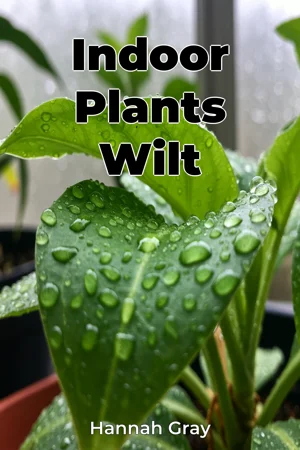
Why are your carefully nurtured indoor plants suddenly drooping, their leaves yellowing despite consistent watering and adequate sunlight? 'Indoor Plants Wilt' delves into a largely overlooked yet critical factor affecting the health of houseplants: the pervasive impact of detergent vapors released from common household cleaning products. This book bridges the gap between botany, everyday cleaning practices, and indoor air quality, providing crucial insights for plant enthusiasts, biology students, and anyone concerned about the wellbeing of their indoor greenery. The book centers on two primary intertwined topics: the physiological effects of volatile organic compounds (VOCs) released by detergents on plant health, and the broader implications for indoor ecosystems. These topics are significant because while extensive research exists on outdoor air pollution's impact on flora, the enclosed environments within our homes often harbor concentrated levels of VOCs from seemingly innocuous sources. Understanding these effects is vital in promoting healthy indoor environments for both plants and people. Historically, the focus of botanical studies related to air quality has centered on industrial pollutants and agricultural chemicals in outdoor settings. However, the rise in popularity of houseplants and the increasing use of synthetic cleaning agents necessitate a closer examination of the indoor environment. While basic knowledge of plant physiology (photosynthesis, respiration, transpiration) will enhance the reader's understanding, the book is designed to be accessible to individuals with varying levels of scientific background. The central argument of 'Indoor Plants Wilt' is that prolonged exposure to detergent-related VOCs, even at seemingly low concentrations, can significantly impair the physiological functions of indoor plants, leading to visible symptoms of decline and potentially plant death. This argument challenges the common assumption that only direct contact with harsh chemicals poses a threat to houseplants, highlighting the insidious effects of airborne pollutants. The book is structured as follows: First, it introduces the basic principles of plant physiology and the common VOCs found in household detergents. It then explores the specific mechanisms by which these VOCs disrupt plant processes, such as photosynthesis and respiration, with dedicated chapters on the effects on leaf structure and root function. Subsequent chapters present original research data from controlled experiments exposing various species of houseplants to different concentrations of detergent vapors. Finally, the book culminates in practical recommendations for mitigating the harmful effects of detergent VOCs, including alternative cleaning methods, improved ventilation strategies, and the selection of plant species less susceptible to VOC damage. The evidence presented is based on a combination of literature review and original experimental data. The experimental data includes gas chromatography-mass spectrometry (GC-MS) analysis of VOCs emitted by various detergents, as well as physiological measurements of plants exposed to these VOCs, such as chlorophyll content, photosynthetic rate, and stomatal conductance. Furthermore, microscopic analysis of leaf tissues reveals cellular-level damage caused by VOC exposure. The book establishes interdisciplinary connections between botany, chemistry, and environmental science, emphasizing the importance of a holistic approach to understanding indoor environmental quality. By incorporating elements of toxicology and public health, it broadens the discussion beyond purely botanical concerns. A unique aspect of 'Indoor Plants Wilt' is its focus on the often-overlooked impact of everyday household products on indoor plant health, moving beyond traditional concerns about watering, lighting, and fertilization. It provides a practical, evidence-based guide to creating a healthier indoor environment for plants. The tone is informative and accessible, balancing scientific rigor with practical advice. The writing style is clear and concise, avoiding jargon where possible and providing definitions for technical terms. The target audience includes plant enthusiasts, gardeners, students of botany and environmental science, and homeowners interested in improving indoor air quality. The book will appeal to readers seeking practical solutions to common houseplant problems and a deeper understanding of the environmental factors that influence plant health. As a non-fiction work in the science and gardening genres, the book adheres to standards of accuracy, objectivity, and evidence-based reasoning. It provides citations for all sources and presents the findings in a balanced and unbiased manner. The scope of the book is limited to the effects of detergent vapors on common indoor plant species. It does not cover the impact of other indoor pollutants, such as mold or allergens, nor does it delve into the broader topic of outdoor air pollution. This focused approach allows for a more in-depth examination of the specific issue at hand. Readers can apply the information in the book to make informed decisions about cleaning product choices, ventilation practices, and plant selection, ultimately creating a healthier and more aesthetically pleasing indoor environment. The book addresses the ongoing debate about the safety of certain chemicals commonly found in household cleaning products and their potential impact on human and environmental health, framing the issue within the context of indoor plant health.
Why are your carefully nurtured indoor plants suddenly drooping, their leaves yellowing despite consistent watering and adequate sunlight? 'Indoor Plants Wilt' delves into a largely overlooked yet critical factor affecting the health of houseplants: the pervasive impact of detergent vapors released from common household cleaning products. This book bridges the gap between botany, everyday cleaning practices, and indoor air quality, providing crucial insights for plant enthusiasts, biology students, and anyone concerned about the wellbeing of their indoor greenery. The book centers on two primary intertwined topics: the physiological effects of volatile organic compounds (VOCs) released by detergents on plant health, and the broader implications for indoor ecosystems. These topics are significant because while extensive research exists on outdoor air pollution's impact on flora, the enclosed environments within our homes often harbor concentrated levels of VOCs from seemingly innocuous sources. Understanding these effects is vital in promoting healthy indoor environments for both plants and people. Historically, the focus of botanical studies related to air quality has centered on industrial pollutants and agricultural chemicals in outdoor settings. However, the rise in popularity of houseplants and the increasing use of synthetic cleaning agents necessitate a closer examination of the indoor environment. While basic knowledge of plant physiology (photosynthesis, respiration, transpiration) will enhance the reader's understanding, the book is designed to be accessible to individuals with varying levels of scientific background. The central argument of 'Indoor Plants Wilt' is that prolonged exposure to detergent-related VOCs, even at seemingly low concentrations, can significantly impair the physiological functions of indoor plants, leading to visible symptoms of decline and potentially plant death. This argument challenges the common assumption that only direct contact with harsh chemicals poses a threat to houseplants, highlighting the insidious effects of airborne pollutants. The book is structured as follows: First, it introduces the basic principles of plant physiology and the common VOCs found in household detergents. It then explores the specific mechanisms by which these VOCs disrupt plant processes, such as photosynthesis and respiration, with dedicated chapters on the effects on leaf structure and root function. Subsequent chapters present original research data from controlled experiments exposing various species of houseplants to different concentrations of detergent vapors. Finally, the book culminates in practical recommendations for mitigating the harmful effects of detergent VOCs, including alternative cleaning methods, improved ventilation strategies, and the selection of plant species less susceptible to VOC damage. The evidence presented is based on a combination of literature review and original experimental data. The experimental data includes gas chromatography-mass spectrometry (GC-MS) analysis of VOCs emitted by various detergents, as well as physiological measurements of plants exposed to these VOCs, such as chlorophyll content, photosynthetic rate, and stomatal conductance. Furthermore, microscopic analysis of leaf tissues reveals cellular-level damage caused by VOC exposure. The book establishes interdisciplinary connections between botany, chemistry, and environmental science, emphasizing the importance of a holistic approach to understanding indoor environmental quality. By incorporating elements of toxicology and public health, it broadens the discussion beyond purely botanical concerns. A unique aspect of 'Indoor Plants Wilt' is its focus on the often-overlooked impact of everyday household products on indoor plant health, moving beyond traditional concerns about watering, lighting, and fertilization. It provides a practical, evidence-based guide to creating a healthier indoor environment for plants. The tone is informative and accessible, balancing scientific rigor with practical advice. The writing style is clear and concise, avoiding jargon where possible and providing definitions for technical terms. The target audience includes plant enthusiasts, gardeners, students of botany and environmental science, and homeowners interested in improving indoor air quality. The book will appeal to readers seeking practical solutions to common houseplant problems and a deeper understanding of the environmental factors that influence plant health. As a non-fiction work in the science and gardening genres, the book adheres to standards of accuracy, objectivity, and evidence-based reasoning. It provides citations for all sources and presents the findings in a balanced and unbiased manner. The scope of the book is limited to the effects of detergent vapors on common indoor plant species. It does not cover the impact of other indoor pollutants, such as mold or allergens, nor does it delve into the broader topic of outdoor air pollution. This focused approach allows for a more in-depth examination of the specific issue at hand. Readers can apply the information in the book to make informed decisions about cleaning product choices, ventilation practices, and plant selection, ultimately creating a healthier and more aesthetically pleasing indoor environment. The book addresses the ongoing debate about the safety of certain chemicals commonly found in household cleaning products and their potential impact on human and environmental health, framing the issue within the context of indoor plant health.
"Indoor Plants Wilt" explores the hidden threat of household cleaning products to your beloved houseplants. It reveals how volatile organic compounds (VOCs), released by common detergents, can negatively impact plant health, even when you're diligently watering and providing sunlight. You'll discover that these vapors, often overlooked, can disrupt essential plant processes like photosynthesis and respiration. This book uniquely focuses on the often-unseen connection between indoor air quality and plant physiology. While we often worry about watering and light, the book highlights how detergent vapors damage leaf structure and root function. Original research data reveals the effects of different VOC concentrations on various plant species, offering insights into how seemingly harmless cleaning routines can lead to wilted leaves and declining plant health. The book begins by explaining basic plant physiology and common VOCs, then progresses to detail the specific mechanisms of damage. It concludes with practical recommendations for mitigating these harmful effects, from alternative cleaning methods to improved ventilation, empowering you to create a healthier indoor environment for both your plants and yourself.
Book Details
ISBN
9788235200563
Publisher
Publifye AS
Your Licenses
You don't own any licenses for this book
Purchase a license below to unlock this book and download the EPUB.
Purchase License
Select a tier to unlock this book
Need bulk licensing?
Contact us for enterprise agreements.