
About This Book
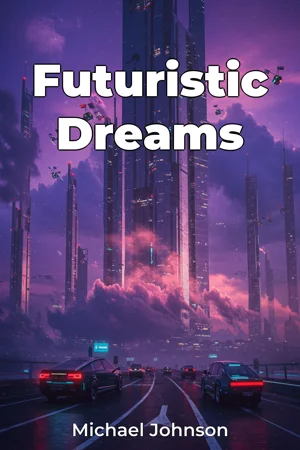
How have our collective dreams and nightmares about the future shaped the technology we pursue and the political systems we construct? "Futuristic Dreams" delves into this critical intersection, exploring how visions of tomorrow, as depicted in science fiction literature, have profoundly influenced political thought, technological development, and societal expectations. This book argues that these fictional futures are not mere entertainment but potent forces that actively shape the present. The core of "Futuristic Dreams" examines three key themes: first, the political ideologies embedded within speculative narratives, analyzing how authors use imagined societies to critique existing power structures or propose alternative models. Second, the book investigates the reciprocal relationship between science fiction and technological innovation, demonstrating how fictional concepts have inspired real-world inventions, while also exploring the ethical considerations that often lag behind technological progress. Third, it analyzes how these future visions shape public perception and influence policy decisions related to science, technology, and governance. These topics are vital because they highlight the responsibility that comes with imagining the future, both for creators and consumers of such narratives. To understand the impact of futuristic visions, This book begins with an historical overview, tracing the evolution of future-oriented narratives from utopian and dystopian literature to cyberpunk and beyond. It examines key works of science fiction, political theory, and technological forecasting, providing context for understanding the recurring themes and anxieties that permeate these fields. "Futuristic Dreams" is structured to comprehensively explore its central argument: that visions of the future act as a feedback loop, influencing technological and political development, which in turn inspires new visions. The book opens by introducing the concept of "futuristic imagination" as a driving force in shaping societal progress and governance. It then dedicates chapters to examining specific themes: The first analyzes the use of dystopian settings to critique totalitarian regimes and explore the dangers of unchecked technological advancement. The second explores how utopian ideals have fueled social reform movements and shaped the design of experimental communities. The third focuses on the development of specific technologies - from artificial intelligence to space travel - and analyzes how science fiction has both inspired and cautioned against their deployment. Finally, the book culminates by examining the practical implications of these insights for policymakers, technologists, and citizens alike, advocating for a more informed and ethical approach to shaping the future. The arguments in "Futuristic Dreams" are supported by a wide range of evidence, including textual analysis of science fiction literature, historical accounts of technological innovation, and case studies of political movements inspired by utopian or dystopian ideals. The book also draws upon primary source materials, such as author interviews, political manifestos, and technological blueprints, to provide a nuanced and comprehensive understanding of the subject. The book connects to several other fields, including media studies, sociology, and ethics. Media studies helps to understand how futuristic visions are disseminated and interpreted by the public. Sociology provides insights into how these visions shape social norms and expectations. Ethics allows for critical evaluation of the moral implications of both the technologies and political systems envisioned in these narratives. What sets "Futuristic Dreams" apart is its interdisciplinary approach, which combines literary criticism, political analysis, and technological forecasting to offer a holistic perspective on the power of futuristic visions. The book avoids overly academic jargon, aiming for a clear and engaging style suitable for a broad audience. The target audience includes students and scholars in the fields of political science, technology studies, and literature, as well as anyone interested in the future of society and the role of imagination in shaping it. The book offers valuable insights for policymakers, technologists, and citizens who seek to understand the long-term consequences of technological and political decisions. As a work of non-fiction, "Futuristic Dreams" strives for accuracy, objectivity, and intellectual rigor. The book acknowledges the limitations of its scope, focusing primarily on Western perspectives on the future and recognizing that other cultures may have different, equally valid visions. The insights in "Futuristic Dreams" can be applied in various real-world settings, from designing ethical AI systems to developing sustainable urban environments. By understanding how visions of the future shape our present, we can make more informed choices about the kind of future we want to create. The book also touches on ongoing debates about the role of technology in society, the feasibility of utopian ideals, and the dangers of dystopian thinking. By presenting a balanced and nuanced perspective on these issues, "Futuristic Dreams" aims to foster informed discussion and critical reflection about the future of humanity.
How have our collective dreams and nightmares about the future shaped the technology we pursue and the political systems we construct? "Futuristic Dreams" delves into this critical intersection, exploring how visions of tomorrow, as depicted in science fiction literature, have profoundly influenced political thought, technological development, and societal expectations. This book argues that these fictional futures are not mere entertainment but potent forces that actively shape the present. The core of "Futuristic Dreams" examines three key themes: first, the political ideologies embedded within speculative narratives, analyzing how authors use imagined societies to critique existing power structures or propose alternative models. Second, the book investigates the reciprocal relationship between science fiction and technological innovation, demonstrating how fictional concepts have inspired real-world inventions, while also exploring the ethical considerations that often lag behind technological progress. Third, it analyzes how these future visions shape public perception and influence policy decisions related to science, technology, and governance. These topics are vital because they highlight the responsibility that comes with imagining the future, both for creators and consumers of such narratives. To understand the impact of futuristic visions, This book begins with an historical overview, tracing the evolution of future-oriented narratives from utopian and dystopian literature to cyberpunk and beyond. It examines key works of science fiction, political theory, and technological forecasting, providing context for understanding the recurring themes and anxieties that permeate these fields. "Futuristic Dreams" is structured to comprehensively explore its central argument: that visions of the future act as a feedback loop, influencing technological and political development, which in turn inspires new visions. The book opens by introducing the concept of "futuristic imagination" as a driving force in shaping societal progress and governance. It then dedicates chapters to examining specific themes: The first analyzes the use of dystopian settings to critique totalitarian regimes and explore the dangers of unchecked technological advancement. The second explores how utopian ideals have fueled social reform movements and shaped the design of experimental communities. The third focuses on the development of specific technologies - from artificial intelligence to space travel - and analyzes how science fiction has both inspired and cautioned against their deployment. Finally, the book culminates by examining the practical implications of these insights for policymakers, technologists, and citizens alike, advocating for a more informed and ethical approach to shaping the future. The arguments in "Futuristic Dreams" are supported by a wide range of evidence, including textual analysis of science fiction literature, historical accounts of technological innovation, and case studies of political movements inspired by utopian or dystopian ideals. The book also draws upon primary source materials, such as author interviews, political manifestos, and technological blueprints, to provide a nuanced and comprehensive understanding of the subject. The book connects to several other fields, including media studies, sociology, and ethics. Media studies helps to understand how futuristic visions are disseminated and interpreted by the public. Sociology provides insights into how these visions shape social norms and expectations. Ethics allows for critical evaluation of the moral implications of both the technologies and political systems envisioned in these narratives. What sets "Futuristic Dreams" apart is its interdisciplinary approach, which combines literary criticism, political analysis, and technological forecasting to offer a holistic perspective on the power of futuristic visions. The book avoids overly academic jargon, aiming for a clear and engaging style suitable for a broad audience. The target audience includes students and scholars in the fields of political science, technology studies, and literature, as well as anyone interested in the future of society and the role of imagination in shaping it. The book offers valuable insights for policymakers, technologists, and citizens who seek to understand the long-term consequences of technological and political decisions. As a work of non-fiction, "Futuristic Dreams" strives for accuracy, objectivity, and intellectual rigor. The book acknowledges the limitations of its scope, focusing primarily on Western perspectives on the future and recognizing that other cultures may have different, equally valid visions. The insights in "Futuristic Dreams" can be applied in various real-world settings, from designing ethical AI systems to developing sustainable urban environments. By understanding how visions of the future shape our present, we can make more informed choices about the kind of future we want to create. The book also touches on ongoing debates about the role of technology in society, the feasibility of utopian ideals, and the dangers of dystopian thinking. By presenting a balanced and nuanced perspective on these issues, "Futuristic Dreams" aims to foster informed discussion and critical reflection about the future of humanity.
"Futuristic Dreams" explores the profound impact of futuristic visions, particularly from science fiction, on both technological development and political ideologies. It posits that these imagined futures aren't mere entertainment but actively shape our present. The book argues that science fiction has inspired real-world inventions, while also serving as a cautionary voice, prompting ethical considerations related to technological innovation. The book examines how dystopian settings critique existing power structures and totalitarian regimes, while utopian ideals fuel social reform movements. Beginning with a historical overview of future-oriented narratives, from utopian literature to cyberpunk, "Futuristic Dreams" progresses by dedicating chapters to specific themes. These include the use of dystopian settings, utopian ideals, and the development of technologies like artificial intelligence. The book then culminates by examining the practical implications of these insights for policymakers, technologists, and citizens alike. What makes this book unique is its interdisciplinary approach, combining literary criticism, political analysis, and technological forecasting to provide a holistic perspective. It strives for a clear and engaging style, making it accessible to a broad audience interested in the future of society and the role of imagination in shaping it.
Book Details
ISBN
9788235200341
Publisher
Publifye AS
Your Licenses
You don't own any licenses for this book
Purchase a license below to unlock this book and download the EPUB.
Purchase License
Select a tier to unlock this book
Need bulk licensing?
Contact us for enterprise agreements.