
About This Book
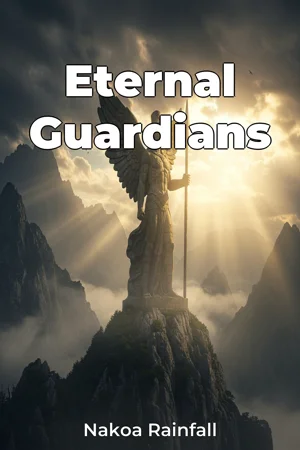
Across cultures and throughout history, what universal need drives humanity to envision powerful protectors standing between order and chaos? "Eternal Guardians" delves into the pervasive concept of guardianship as embodied by legendary warriors, angelic beings, and supernatural entities in various mythological systems. This book explores the historical and religious contexts that have given rise to these figures, examining their roles, attributes, and the enduring human fascination with divine protectors. Why do so many societies, separated by geography and time, independently develop similar archetypes of powerful guardians? Why do humans across cultures share common beliefs and traditions? The book addresses these questions by examining archetypes, universal symbols, and shared themes prevalent in mythology, focusing on guardian figures across cultures and religious traditions. It investigates the psychological and societal functions these figures fulfill, such as providing comfort, security, and moral guidance. "Eternal Guardians" provides essential historical background on the development of religious beliefs and mythological systems, tracing the evolution of guardian figures from ancient animistic spirits to complex deities and celestial beings. It examines the social structures and belief systems that shaped these figures, considering how political and cultural shifts influenced their attributes and roles. No prior specialized knowledge is required; the book is written to be accessible to a broad audience interested in mythology, religion, and history. The central argument of "Eternal Guardians" is that guardian figures represent a fundamental human need for protection, guidance, and the assurance of cosmic order. By analyzing these figures across diverse cultures, the book demonstrates the universality of this need and how different societies have addressed it through their unique mythologies and religious beliefs. Understanding these guardians provides insights into the core values and anxieties of the cultures that created them. The book is structured to provide a clear and comprehensive exploration of this topic. It begins by introducing the concept of guardianship and the primary archetypes of protectors found in mythology such as warriors, angels, and supernatural creatures. The first main section examines warrior figures like mythical heroes and legendary soldiers, focusing on their roles as protectors of their people and embodiments of courage and strength. The second main part analyzes angelic guardians in Abrahamic religions, exploring their celestial roles and the theological concepts surrounding their existence. The final main body investigates supernatural beings, such as protective spirits and ancestral guardians, found in indigenous traditions and folk beliefs. The book culminates by synthesizing these diverse examples, highlighting common themes and exploring the psychological and societal functions of these figures, concluding with the enduring relevance of guardian archetypes in contemporary culture. The arguments presented in "Eternal Guardians" are supported by a wide range of evidence, including primary source materials such as ancient texts, religious scriptures, and folklore collections. Additionally, the book draws on secondary sources from scholars in mythology, religious studies, anthropology, and history. The book's methodology involves comparative analysis of different mythological systems, identifying recurring patterns and unique variations in the portrayal of guardian figures. "Eternal Guardians" connects to several other fields of study, including psychology, sociology, and art history. The book relates to psychology by looking at how these figures may fulfill psychological needs. It connects to sociology by understanding how guardian figures can provide social cohesion. The book connects to art history by examining visual representations of guardians and their symbolic meanings across different cultures. This book offers a distinctive perspective by approaching the study of mythology through the lens of guardianship. It examines the universal human need for protection and guidance, revealing how different cultures have expressed this need through their mythologies. It also explores how the attributes and roles of guardian figures reflect the values and anxieties of the societies that created them. The writing style is accessible, designed to engage a broad audience interested in mythology, religion, and history. The book aims to provide a balanced and thoughtful exploration of the subject matter, avoiding overly academic or overly simplistic language. The target audience includes enthusiasts of mythology, religious studies, and history, as well as readers interested in comparative cultural studies and the psychology of belief. This book will be valuable to them by providing a comprehensive and insightful overview of the concept of guardianship, its expression in mythology, and its enduring relevance to the human experience. As a non-fiction book within the genres of Religion and History, "Eternal Guardians" adheres to academic standards of research, citation, and objectivity. It presents information in a clear, organized, and verifiable manner, drawing on credible sources and adhering to the conventions of scholarly writing while remaining accessible to a general audience. The scope of "Eternal Guardians" encompasses a broad range of cultures and historical periods, focusing on representative examples of guardian figures from different mythological systems. The book does not aim to be an exhaustive catalog of all such figures but rather a comprehensive exploration of key archetypes and recurring themes. The insights presented in "Eternal Guardians" have real-world applications in understanding cultural values, social dynamics, and the human need for meaning and purpose. By examining the roles and attributes of guardian figures, readers can gain a deeper appreciation of their own cultural heritage and the shared values that unite humanity. While the existence of guardian figures is a matter of faith and belief, the interpretation of their roles and attributes is subject to ongoing scholarly debate. "Eternal Guardians" acknowledges these debates, presenting different perspectives and encouraging readers to form their own informed opinions.
Across cultures and throughout history, what universal need drives humanity to envision powerful protectors standing between order and chaos? "Eternal Guardians" delves into the pervasive concept of guardianship as embodied by legendary warriors, angelic beings, and supernatural entities in various mythological systems. This book explores the historical and religious contexts that have given rise to these figures, examining their roles, attributes, and the enduring human fascination with divine protectors. Why do so many societies, separated by geography and time, independently develop similar archetypes of powerful guardians? Why do humans across cultures share common beliefs and traditions? The book addresses these questions by examining archetypes, universal symbols, and shared themes prevalent in mythology, focusing on guardian figures across cultures and religious traditions. It investigates the psychological and societal functions these figures fulfill, such as providing comfort, security, and moral guidance. "Eternal Guardians" provides essential historical background on the development of religious beliefs and mythological systems, tracing the evolution of guardian figures from ancient animistic spirits to complex deities and celestial beings. It examines the social structures and belief systems that shaped these figures, considering how political and cultural shifts influenced their attributes and roles. No prior specialized knowledge is required; the book is written to be accessible to a broad audience interested in mythology, religion, and history. The central argument of "Eternal Guardians" is that guardian figures represent a fundamental human need for protection, guidance, and the assurance of cosmic order. By analyzing these figures across diverse cultures, the book demonstrates the universality of this need and how different societies have addressed it through their unique mythologies and religious beliefs. Understanding these guardians provides insights into the core values and anxieties of the cultures that created them. The book is structured to provide a clear and comprehensive exploration of this topic. It begins by introducing the concept of guardianship and the primary archetypes of protectors found in mythology such as warriors, angels, and supernatural creatures. The first main section examines warrior figures like mythical heroes and legendary soldiers, focusing on their roles as protectors of their people and embodiments of courage and strength. The second main part analyzes angelic guardians in Abrahamic religions, exploring their celestial roles and the theological concepts surrounding their existence. The final main body investigates supernatural beings, such as protective spirits and ancestral guardians, found in indigenous traditions and folk beliefs. The book culminates by synthesizing these diverse examples, highlighting common themes and exploring the psychological and societal functions of these figures, concluding with the enduring relevance of guardian archetypes in contemporary culture. The arguments presented in "Eternal Guardians" are supported by a wide range of evidence, including primary source materials such as ancient texts, religious scriptures, and folklore collections. Additionally, the book draws on secondary sources from scholars in mythology, religious studies, anthropology, and history. The book's methodology involves comparative analysis of different mythological systems, identifying recurring patterns and unique variations in the portrayal of guardian figures. "Eternal Guardians" connects to several other fields of study, including psychology, sociology, and art history. The book relates to psychology by looking at how these figures may fulfill psychological needs. It connects to sociology by understanding how guardian figures can provide social cohesion. The book connects to art history by examining visual representations of guardians and their symbolic meanings across different cultures. This book offers a distinctive perspective by approaching the study of mythology through the lens of guardianship. It examines the universal human need for protection and guidance, revealing how different cultures have expressed this need through their mythologies. It also explores how the attributes and roles of guardian figures reflect the values and anxieties of the societies that created them. The writing style is accessible, designed to engage a broad audience interested in mythology, religion, and history. The book aims to provide a balanced and thoughtful exploration of the subject matter, avoiding overly academic or overly simplistic language. The target audience includes enthusiasts of mythology, religious studies, and history, as well as readers interested in comparative cultural studies and the psychology of belief. This book will be valuable to them by providing a comprehensive and insightful overview of the concept of guardianship, its expression in mythology, and its enduring relevance to the human experience. As a non-fiction book within the genres of Religion and History, "Eternal Guardians" adheres to academic standards of research, citation, and objectivity. It presents information in a clear, organized, and verifiable manner, drawing on credible sources and adhering to the conventions of scholarly writing while remaining accessible to a general audience. The scope of "Eternal Guardians" encompasses a broad range of cultures and historical periods, focusing on representative examples of guardian figures from different mythological systems. The book does not aim to be an exhaustive catalog of all such figures but rather a comprehensive exploration of key archetypes and recurring themes. The insights presented in "Eternal Guardians" have real-world applications in understanding cultural values, social dynamics, and the human need for meaning and purpose. By examining the roles and attributes of guardian figures, readers can gain a deeper appreciation of their own cultural heritage and the shared values that unite humanity. While the existence of guardian figures is a matter of faith and belief, the interpretation of their roles and attributes is subject to ongoing scholarly debate. "Eternal Guardians" acknowledges these debates, presenting different perspectives and encouraging readers to form their own informed opinions.
"Eternal Guardians" explores the widespread concept of guardians – from legendary warriors to angelic beings – examining their roles across diverse cultures and religions. The book investigates why societies, despite geographical and temporal separation, independently develop similar archetypes of protectors. It delves into the historical and religious contexts that shaped these figures, revealing the enduring human fascination with divine protectors. The book argues that guardian figures represent a fundamental human need for protection and cosmic order. "Eternal Guardians" traces the evolution of these figures, providing historical background on the development of religious beliefs and mythological systems. It starts by introducing the concept of guardianship and protector archetypes, then examines warrior figures and angelic guardians before investigating supernatural beings in indigenous traditions. Through comparative analysis and accessible language, the book offers a unique perspective on mythology, revealing how guardian figures reflect the values and anxieties of the cultures that created them.
Book Details
ISBN
9788235200181
Publisher
Publifye AS
Your Licenses
You don't own any licenses for this book
Purchase a license below to unlock this book and download the EPUB.
Purchase License
Select a tier to unlock this book
Need bulk licensing?
Contact us for enterprise agreements.