
About This Book
What compels individuals across vastly different cultures and eras to confront perceived malevolent entities? "Demon Hunters" delves into the historical and spiritual roles of religious figures who have engaged in battles against evil, focusing on their methods, motivations, and lasting impact on faith and folklore. This exploration is crucial because it sheds light on the enduring human fascination with the unseen world and the archetypal struggle between good and evil, influencing societal norms and beliefs. This book examines the intersection of religion, spirituality, and folklore through the lens of individuals or groups who have actively confronted what they believed to be demonic or evil forces. We investigate the concepts of possession, exorcism, and spiritual warfare across diverse religious traditions, focusing on those figures who rose to prominence as demon hunters or spirit banishers. Understanding the historical context is essential, as each culture's understanding of demons and evil spirits is shaped by its unique social, political, and religious landscape. Prior knowledge of comparative religion and basic folklore concepts will enhance the reading experience, though not strictly required. The core argument of "Demon Hunters" is that the figures who actively battled evil spirits served not only as spiritual protectors but also as cultural architects, shaping belief systems and moral codes within their respective societies. Their actions, whether interpreted as divine interventions or psychological phenomena, have left an indelible mark on the collective consciousness, influencing art, literature, and popular culture. The book begins by defining key terms such as "demon," "evil spirit," and "exorcism," establishing a baseline understanding across different faiths. We then explore specific examples of demon hunters from various religious traditions, dedicating chapters to figures from Christianity, Judaism, Islam, and select Eastern religions. Each chapter analyzes the figure's background, the methods employed in combating evil, and the documented or purported outcomes of their interventions. The book culminates in a comparative analysis, identifying common themes and variations in the approach to spiritual warfare across cultures. Finally, it discusses the modern-day relevance of these historical figures, including their influence on contemporary paranormal investigations and popular depictions of exorcism. The evidence presented in "Demon Hunters" stems from a variety of sources, including religious texts, historical documents, anthropological studies, and folklore archives. We analyze primary source accounts of exorcisms and demon encounters, comparing them with secondary scholarly interpretations. Unique data is gathered from lesser-known regional folklore traditions, aiming to provide a more nuanced and comprehensive picture of the demon hunting phenomenon. "Demon Hunters" connects to several other fields of study, including psychology, sociology, and history. Psychology offers insights into the mental states of both the alleged victims of possession and the individuals performing exorcisms. Sociology provides a framework for understanding how beliefs about evil spirits shape social structures and norms. History contextualizes the emergence of demon hunters within specific cultural and political movements. These interdisciplinary connections enrich the book's argument by offering multiple perspectives on a complex phenomenon. This book offers a unique perspective by analyzing demon hunters as historical figures whose actions had tangible social and cultural consequences, rather than simply focusing on the theological aspects of their battles. This approach allows for a more objective and nuanced understanding of their influence. The tone of "Demon Hunters" is informative and analytical, aiming to present a balanced and objective account of a subject often shrouded in sensationalism and mystery. The target audience includes readers interested in religion, folklore, history, and paranormal phenomena. The book will be valuable to those seeking a deeper understanding of the historical and cultural roots of beliefs about evil spirits and the role of demon hunters in shaping these beliefs. As a work of non-fiction within the religion and spirituality genres, "Demon Hunters" adheres to standards of academic rigor and factual accuracy. However, it also incorporates elements of narrative non-fiction to engage the reader and bring the stories of these figures to life. The scope of "Demon Hunters" is intentionally broad, covering a diverse range of religious traditions and historical periods. However, it is limited by the availability of reliable source material and the need to maintain focus on figures who actively engaged in combating evil, rather than simply theorizing about it. The information presented in "Demon Hunters" can be applied practically by readers seeking to understand the cultural and historical context of contemporary beliefs about evil spirits and paranormal phenomena. It can also inform discussions about the role of religion in shaping social norms and values. The topic of demon hunting is inherently controversial, with ongoing debates about the existence of demons, the efficacy of exorcism, and the potential for misdiagnosis of mental illness as possession. "Demon Hunters" acknowledges these debates, presenting different perspectives and encouraging critical thinking.
What compels individuals across vastly different cultures and eras to confront perceived malevolent entities? "Demon Hunters" delves into the historical and spiritual roles of religious figures who have engaged in battles against evil, focusing on their methods, motivations, and lasting impact on faith and folklore. This exploration is crucial because it sheds light on the enduring human fascination with the unseen world and the archetypal struggle between good and evil, influencing societal norms and beliefs. This book examines the intersection of religion, spirituality, and folklore through the lens of individuals or groups who have actively confronted what they believed to be demonic or evil forces. We investigate the concepts of possession, exorcism, and spiritual warfare across diverse religious traditions, focusing on those figures who rose to prominence as demon hunters or spirit banishers. Understanding the historical context is essential, as each culture's understanding of demons and evil spirits is shaped by its unique social, political, and religious landscape. Prior knowledge of comparative religion and basic folklore concepts will enhance the reading experience, though not strictly required. The core argument of "Demon Hunters" is that the figures who actively battled evil spirits served not only as spiritual protectors but also as cultural architects, shaping belief systems and moral codes within their respective societies. Their actions, whether interpreted as divine interventions or psychological phenomena, have left an indelible mark on the collective consciousness, influencing art, literature, and popular culture. The book begins by defining key terms such as "demon," "evil spirit," and "exorcism," establishing a baseline understanding across different faiths. We then explore specific examples of demon hunters from various religious traditions, dedicating chapters to figures from Christianity, Judaism, Islam, and select Eastern religions. Each chapter analyzes the figure's background, the methods employed in combating evil, and the documented or purported outcomes of their interventions. The book culminates in a comparative analysis, identifying common themes and variations in the approach to spiritual warfare across cultures. Finally, it discusses the modern-day relevance of these historical figures, including their influence on contemporary paranormal investigations and popular depictions of exorcism. The evidence presented in "Demon Hunters" stems from a variety of sources, including religious texts, historical documents, anthropological studies, and folklore archives. We analyze primary source accounts of exorcisms and demon encounters, comparing them with secondary scholarly interpretations. Unique data is gathered from lesser-known regional folklore traditions, aiming to provide a more nuanced and comprehensive picture of the demon hunting phenomenon. "Demon Hunters" connects to several other fields of study, including psychology, sociology, and history. Psychology offers insights into the mental states of both the alleged victims of possession and the individuals performing exorcisms. Sociology provides a framework for understanding how beliefs about evil spirits shape social structures and norms. History contextualizes the emergence of demon hunters within specific cultural and political movements. These interdisciplinary connections enrich the book's argument by offering multiple perspectives on a complex phenomenon. This book offers a unique perspective by analyzing demon hunters as historical figures whose actions had tangible social and cultural consequences, rather than simply focusing on the theological aspects of their battles. This approach allows for a more objective and nuanced understanding of their influence. The tone of "Demon Hunters" is informative and analytical, aiming to present a balanced and objective account of a subject often shrouded in sensationalism and mystery. The target audience includes readers interested in religion, folklore, history, and paranormal phenomena. The book will be valuable to those seeking a deeper understanding of the historical and cultural roots of beliefs about evil spirits and the role of demon hunters in shaping these beliefs. As a work of non-fiction within the religion and spirituality genres, "Demon Hunters" adheres to standards of academic rigor and factual accuracy. However, it also incorporates elements of narrative non-fiction to engage the reader and bring the stories of these figures to life. The scope of "Demon Hunters" is intentionally broad, covering a diverse range of religious traditions and historical periods. However, it is limited by the availability of reliable source material and the need to maintain focus on figures who actively engaged in combating evil, rather than simply theorizing about it. The information presented in "Demon Hunters" can be applied practically by readers seeking to understand the cultural and historical context of contemporary beliefs about evil spirits and paranormal phenomena. It can also inform discussions about the role of religion in shaping social norms and values. The topic of demon hunting is inherently controversial, with ongoing debates about the existence of demons, the efficacy of exorcism, and the potential for misdiagnosis of mental illness as possession. "Demon Hunters" acknowledges these debates, presenting different perspectives and encouraging critical thinking.
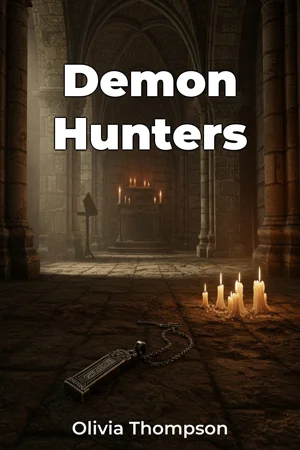
"Demon Hunters" explores the captivating world of individuals who, across diverse cultures and eras, have confronted what they believed to be malevolent entities. Examining figures from Christianity, Judaism, Islam, and Eastern religions, the book delves into their methods, motivations, and the lasting impact these demon hunters have had on faith and folklore. It highlights how these individuals weren't just spiritual protectors but also cultural architects, shaping belief systems and moral codes. The book reveals intriguing facts, such as how the understanding of demons and evil spirits is deeply rooted in a culture's social, political, and religious landscape. The book begins by defining key terms like "demon" and "exorcism," establishing a common ground before exploring specific examples of demon hunters. Each chapter analyzes the figure's background, their methods for combating evil, and the outcomes of their interventions. The book culminates in a comparative analysis, identifying common themes and variations in spiritual warfare across cultures. This approach, analyzing demon hunters as historical figures with tangible social consequences, provides a unique and objective understanding of their influence, making "Demon Hunters" valuable for those interested in religion, spirituality, and the paranormal.
Book Details
ISBN
9788235200150
Publisher
Publifye AS
Your Licenses
You don't own any licenses for this book
Purchase a license below to unlock this book and download the EPUB.
Purchase License
Select a tier to unlock this book
Need bulk licensing?
Contact us for enterprise agreements.