
About This Book
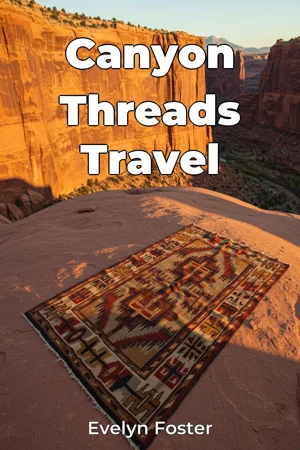
Have you ever considered the intricate stories woven into the vibrant tapestries of Navajo rugs, and how these timeless works of art navigate the complexities of a global tourist market? "Canyon Threads Travel" unravels this very question, exploring the rich history, cultural significance, and contemporary challenges of Navajo weaving within the context of modern tourism. This book delves into three core areas: the historical evolution of Navajo weaving techniques and designs, the profound cultural meaning embedded within these textiles, and the economic impact of tourism on Navajo weavers and their communities. Understanding these elements is crucial to appreciating the nuanced relationship between tradition, artistry, and commerce in the Navajo Nation. Historically, Navajo weaving transformed from utilitarian blankets to intricate rugs under the influence of trade with Spanish settlers and later, Anglo-American merchants. The introduction of new materials, dyes, and designs irrevocably altered the landscape of Navajo textile production. Equally significant is the cultural context; each rug embodies stories, symbols, and spiritual beliefs passed down through generations, reflecting the Diné worldview. Finally, the tourism industry presents both opportunities and obstacles for Navajo weavers, influencing pricing, production volume, and the authenticity of the art form itself. "Canyon Threads Travel" argues that the preservation of Navajo weaving as a vital cultural and economic force requires a balanced approach that respects tradition while adapting to the demands of a global market. This argument is significant because it highlights the often-overlooked complexities of cultural preservation in the face of economic pressures, and offers potential pathways for sustainable artistic practices. The book begins by introducing the fundamental techniques and materials used in Navajo weaving, offering a deep dive into the historical origins and evolution of the craft. The narrative then progresses through three major sections. First, it examines the cultural symbols and narratives woven into specific rug designs, revealing their significance and connection to Navajo cosmology. Second, it investigates the impact of tourism on weaving practices, exploring issues like authenticity, fair pricing, and intellectual property rights. Third, it analyzes successful strategies employed by Navajo weavers and organizations to navigate the tourist market while maintaining cultural integrity. The conclusion provides practical recommendations for tourists seeking to purchase authentic Navajo weavings ethically and responsibly. The book relies on extensive research, including historical archives, ethnographic studies, and interviews with Navajo weavers, traders, and community leaders. It also incorporates firsthand observations from travels within the Navajo Nation, providing a grounded and insightful perspective. Unique data sources include oral histories collected from weavers who share their experiences and perspectives on the changing landscape of their craft "Canyon Threads Travel" connects to several interdisciplinary fields, including anthropology, economics, and art history. Anthropological insights illuminate the cultural significance of weaving, economic principles explain the dynamics of the tourist market, and art historical analysis traces the evolution of design and technique. These connections enrich the understanding of Navajo weaving as a multifaceted phenomenon. This book distinguishes itself through its balanced perspective, combining historical context, cultural sensitivity, and economic analysis. It offers a comprehensive overview of Navajo weaving for the global tourist market, addressing both the challenges and opportunities facing artisans. The writing style is accessible and engaging, appealing to a broad audience while maintaining scholarly rigor. It avoids overly academic jargon and incorporates compelling storytelling to bring the subject matter to life. The target audience includes tourists interested in learning about Navajo culture and art, art collectors seeking to make informed and ethical purchases, and students and scholars in related fields. The book offers valuable insights into cultural preservation, economic development, and the intersection of art and tourism. As a travel and art book, "Canyon Threads Travel" adheres to the conventions of both genres. It provides factual information about Navajo weaving, along with practical tips for travelers seeking authentic cultural experiences. It also presents visually appealing photographs and illustrations of Navajo rugs and weaving techniques. The scope of the book is limited to Navajo weaving intended for the tourist market, intentionally focusing on this specific aspect of Navajo textile production. It does not delve extensively into other forms of Navajo art or broader issues facing the Navajo Nation. The information in "Canyon Threads Travel" can be applied practically by tourists seeking to make informed and ethical purchases of Navajo weavings. It also provides insights for policymakers and organizations working to support Navajo artisans and preserve their cultural heritage. One ongoing debate in the field is the question of authenticity and cultural appropriation in the production and marketing of Navajo-inspired textiles. This book addresses this controversy by exploring the perspectives of Navajo weavers and offering guidelines for responsible consumption.
Have you ever considered the intricate stories woven into the vibrant tapestries of Navajo rugs, and how these timeless works of art navigate the complexities of a global tourist market? "Canyon Threads Travel" unravels this very question, exploring the rich history, cultural significance, and contemporary challenges of Navajo weaving within the context of modern tourism. This book delves into three core areas: the historical evolution of Navajo weaving techniques and designs, the profound cultural meaning embedded within these textiles, and the economic impact of tourism on Navajo weavers and their communities. Understanding these elements is crucial to appreciating the nuanced relationship between tradition, artistry, and commerce in the Navajo Nation. Historically, Navajo weaving transformed from utilitarian blankets to intricate rugs under the influence of trade with Spanish settlers and later, Anglo-American merchants. The introduction of new materials, dyes, and designs irrevocably altered the landscape of Navajo textile production. Equally significant is the cultural context; each rug embodies stories, symbols, and spiritual beliefs passed down through generations, reflecting the Diné worldview. Finally, the tourism industry presents both opportunities and obstacles for Navajo weavers, influencing pricing, production volume, and the authenticity of the art form itself. "Canyon Threads Travel" argues that the preservation of Navajo weaving as a vital cultural and economic force requires a balanced approach that respects tradition while adapting to the demands of a global market. This argument is significant because it highlights the often-overlooked complexities of cultural preservation in the face of economic pressures, and offers potential pathways for sustainable artistic practices. The book begins by introducing the fundamental techniques and materials used in Navajo weaving, offering a deep dive into the historical origins and evolution of the craft. The narrative then progresses through three major sections. First, it examines the cultural symbols and narratives woven into specific rug designs, revealing their significance and connection to Navajo cosmology. Second, it investigates the impact of tourism on weaving practices, exploring issues like authenticity, fair pricing, and intellectual property rights. Third, it analyzes successful strategies employed by Navajo weavers and organizations to navigate the tourist market while maintaining cultural integrity. The conclusion provides practical recommendations for tourists seeking to purchase authentic Navajo weavings ethically and responsibly. The book relies on extensive research, including historical archives, ethnographic studies, and interviews with Navajo weavers, traders, and community leaders. It also incorporates firsthand observations from travels within the Navajo Nation, providing a grounded and insightful perspective. Unique data sources include oral histories collected from weavers who share their experiences and perspectives on the changing landscape of their craft "Canyon Threads Travel" connects to several interdisciplinary fields, including anthropology, economics, and art history. Anthropological insights illuminate the cultural significance of weaving, economic principles explain the dynamics of the tourist market, and art historical analysis traces the evolution of design and technique. These connections enrich the understanding of Navajo weaving as a multifaceted phenomenon. This book distinguishes itself through its balanced perspective, combining historical context, cultural sensitivity, and economic analysis. It offers a comprehensive overview of Navajo weaving for the global tourist market, addressing both the challenges and opportunities facing artisans. The writing style is accessible and engaging, appealing to a broad audience while maintaining scholarly rigor. It avoids overly academic jargon and incorporates compelling storytelling to bring the subject matter to life. The target audience includes tourists interested in learning about Navajo culture and art, art collectors seeking to make informed and ethical purchases, and students and scholars in related fields. The book offers valuable insights into cultural preservation, economic development, and the intersection of art and tourism. As a travel and art book, "Canyon Threads Travel" adheres to the conventions of both genres. It provides factual information about Navajo weaving, along with practical tips for travelers seeking authentic cultural experiences. It also presents visually appealing photographs and illustrations of Navajo rugs and weaving techniques. The scope of the book is limited to Navajo weaving intended for the tourist market, intentionally focusing on this specific aspect of Navajo textile production. It does not delve extensively into other forms of Navajo art or broader issues facing the Navajo Nation. The information in "Canyon Threads Travel" can be applied practically by tourists seeking to make informed and ethical purchases of Navajo weavings. It also provides insights for policymakers and organizations working to support Navajo artisans and preserve their cultural heritage. One ongoing debate in the field is the question of authenticity and cultural appropriation in the production and marketing of Navajo-inspired textiles. This book addresses this controversy by exploring the perspectives of Navajo weavers and offering guidelines for responsible consumption.
"Canyon Threads Travel" explores the captivating world of Navajo weaving, delving into the art form's rich history, cultural significance, and the challenges it faces within the modern tourist market. These vibrant textiles, more than just decorative items, embody centuries of stories, symbols, and spiritual beliefs passed down through generations. Understanding how Navajo weaving evolved from practical blankets to intricate rugs, influenced by trade with Spanish settlers and Anglo-American merchants, provides crucial context. The book examines the complex relationship between tourism and Navajo weavers, highlighting issues of authenticity, fair pricing, and intellectual property rights. It argues for a balanced approach to cultural preservation, respecting tradition while adapting to the demands of a global market. Through historical archives, ethnographic studies, and interviews with weavers, "Canyon Threads Travel" offers insights into the economic impact on Navajo communities. The book progresses by first introducing the fundamental techniques and materials used in Navajo weaving, offering a deep dive into the historical origins and evolution of the craft. It then investigates the impact of tourism on weaving practices, exploring issues like authenticity, fair pricing, and intellectual property rights. Finally, it analyzes successful strategies employed by Navajo weavers and organizations to navigate the tourist market while maintaining cultural integrity.
Book Details
ISBN
9788235200075
Publisher
Publifye AS
Your Licenses
You don't own any licenses for this book
Purchase a license below to unlock this book and download the EPUB.
Purchase License
Select a tier to unlock this book
Need bulk licensing?
Contact us for enterprise agreements.