
About This Book
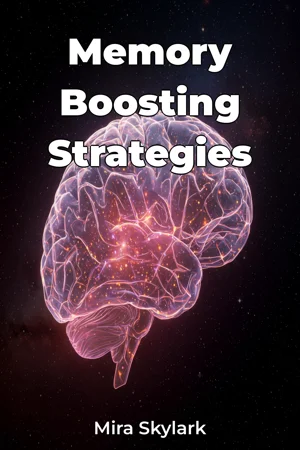
Do you find yourself struggling to remember important information, constantly forgetting names, or wishing you had a more reliable memory? "Memory Boosting Strategies" offers a comprehensive, evidence-based exploration of techniques designed to unlock your memory's full potential. This book dives deep into the science of memory, providing practical methods to enhance recall, retention, and overall cognitive function. We will explore the critical roles of spaced repetition and mnemonic devices in facilitating long-term learning and improved memory performance. These aren't just abstract concepts; they are powerful tools that, when understood and applied correctly, can transform your ability to learn and remember. This book addresses the increasing demands placed on our cognitive abilities in a rapidly evolving information age. Understanding how memory works and how to optimize it is more critical now than ever. Before diving into strategies, we establish a solid foundation by reviewing the basic architecture of human memory. We will explore the different types of memory, from sensory memory to short-term (working) memory and long-term memory, emphasizing their distinct functions and interactions. "Memory Boosting Strategies" argues that memory improvement is achievable for everyone, regardless of age or prior experience. This is not about innate talent but rather the strategic application of scientifically validated techniques. The core of our argument rests on the principles of cognitive psychology, demonstrating that memory is not a fixed entity but a skill that can be honed through targeted practice. The book is structured into three main parts. Part one introduces the science of memory, covering the biological and cognitive underpinnings of memory formation, storage, and retrieval. Part two delves into specific memory-enhancing techniques, dedicating chapters to spaced repetition, mnemonic devices (including visualization, acronyms, and the method of loci), and active recall. Each technique is explained with clear examples, step-by-step instructions, and practical exercises. Part three focuses on the application of these techniques in various real-world contexts, such as academic learning, professional development, and everyday life. We include sections on optimizing study habits, improving presentation skills, and enhancing memory for names and faces. The strategies outlined are grounded in rigorous scientific research, drawing from seminal studies in cognitive psychology and neuroscience. We cite key experiments that demonstrate the effectiveness of spaced repetition in promoting long-term retention, the power of mnemonic devices in encoding information, and the importance of active recall in strengthening memory traces. Furthermore, we incorporate findings from recent studies that explore the impact of sleep, nutrition, and exercise on cognitive function, providing a holistic approach to memory enhancement. The book bridges connections between psychology, education, and neuroscience. By understanding the psychological principles that govern memory, educators can design more effective teaching strategies. By appreciating the underlying neural mechanisms, individuals can make informed decisions about lifestyle factors that impact cognitive health. We also touch on connections to the field of artificial intelligence, exploring how AI algorithms are being developed to mimic human memory processes, and vice versa, how insights from human memory can inform the design of more intelligent AI systems. A unique aspect of this book is its emphasis on personalized memory strategies. While we present a range of techniques, we also guide readers in identifying which methods are most effective for their individual learning styles and memory strengths. We encourage experimentation and self-reflection, empowering readers to become active agents in their own memory improvement journey, fostering a flexible approach to memory enhancement. The book adopts a conversational yet informative tone, making complex scientific concepts accessible to a broad audience. We avoid jargon wherever possible, using real-world examples and relatable anecdotes to illustrate key principles. Our style aims to be empowering and encouraging, fostering a sense of self-efficacy in readers as they embark on their memory improvement journey. This book is written for students, professionals, lifelong learners, and anyone seeking to improve their memory and cognitive function. It is particularly valuable for individuals preparing for exams, delivering presentations, or simply wanting to enhance their ability to remember names, dates, and other important information. "Memory Boosting Strategies" provides a practical toolkit for unlocking your cognitive potential. This book focuses primarily on cognitive techniques for memory enhancement. We acknowledge that memory is a multifaceted phenomenon influenced by genetic factors, neurological conditions, and environmental factors. While we touch on the importance of sleep, nutrition, and exercise, our primary emphasis is on cognitive strategies that individuals can implement to actively improve their memory. We also address the ethical considerations in utilizing memory techniques and the importance of responsible information processing. By implementing the techniques detailed in this book, you can expect to see improvements in your ability to learn new information, recall past events, and retain information in your long-term memory. These skills translate into tangible benefits in all areas of life, from academic success and professional advancement to improved relationships and enhanced personal well-being. Ultimately, "Memory Boosting Strategies" empowers you to take control of your cognitive abilities and unlock your full potential. The techniques we discuss are based on scientific consensus around memory improvement. While the effectiveness of these strategies is supported by a wealth of research, there are ongoing debates within the field of cognitive psychology regarding the optimal application of these techniques in specific contexts. We address these debates openly, acknowledging the complexities of memory research and encouraging readers to critically evaluate the evidence.
Do you find yourself struggling to remember important information, constantly forgetting names, or wishing you had a more reliable memory? "Memory Boosting Strategies" offers a comprehensive, evidence-based exploration of techniques designed to unlock your memory's full potential. This book dives deep into the science of memory, providing practical methods to enhance recall, retention, and overall cognitive function. We will explore the critical roles of spaced repetition and mnemonic devices in facilitating long-term learning and improved memory performance. These aren't just abstract concepts; they are powerful tools that, when understood and applied correctly, can transform your ability to learn and remember. This book addresses the increasing demands placed on our cognitive abilities in a rapidly evolving information age. Understanding how memory works and how to optimize it is more critical now than ever. Before diving into strategies, we establish a solid foundation by reviewing the basic architecture of human memory. We will explore the different types of memory, from sensory memory to short-term (working) memory and long-term memory, emphasizing their distinct functions and interactions. "Memory Boosting Strategies" argues that memory improvement is achievable for everyone, regardless of age or prior experience. This is not about innate talent but rather the strategic application of scientifically validated techniques. The core of our argument rests on the principles of cognitive psychology, demonstrating that memory is not a fixed entity but a skill that can be honed through targeted practice. The book is structured into three main parts. Part one introduces the science of memory, covering the biological and cognitive underpinnings of memory formation, storage, and retrieval. Part two delves into specific memory-enhancing techniques, dedicating chapters to spaced repetition, mnemonic devices (including visualization, acronyms, and the method of loci), and active recall. Each technique is explained with clear examples, step-by-step instructions, and practical exercises. Part three focuses on the application of these techniques in various real-world contexts, such as academic learning, professional development, and everyday life. We include sections on optimizing study habits, improving presentation skills, and enhancing memory for names and faces. The strategies outlined are grounded in rigorous scientific research, drawing from seminal studies in cognitive psychology and neuroscience. We cite key experiments that demonstrate the effectiveness of spaced repetition in promoting long-term retention, the power of mnemonic devices in encoding information, and the importance of active recall in strengthening memory traces. Furthermore, we incorporate findings from recent studies that explore the impact of sleep, nutrition, and exercise on cognitive function, providing a holistic approach to memory enhancement. The book bridges connections between psychology, education, and neuroscience. By understanding the psychological principles that govern memory, educators can design more effective teaching strategies. By appreciating the underlying neural mechanisms, individuals can make informed decisions about lifestyle factors that impact cognitive health. We also touch on connections to the field of artificial intelligence, exploring how AI algorithms are being developed to mimic human memory processes, and vice versa, how insights from human memory can inform the design of more intelligent AI systems. A unique aspect of this book is its emphasis on personalized memory strategies. While we present a range of techniques, we also guide readers in identifying which methods are most effective for their individual learning styles and memory strengths. We encourage experimentation and self-reflection, empowering readers to become active agents in their own memory improvement journey, fostering a flexible approach to memory enhancement. The book adopts a conversational yet informative tone, making complex scientific concepts accessible to a broad audience. We avoid jargon wherever possible, using real-world examples and relatable anecdotes to illustrate key principles. Our style aims to be empowering and encouraging, fostering a sense of self-efficacy in readers as they embark on their memory improvement journey. This book is written for students, professionals, lifelong learners, and anyone seeking to improve their memory and cognitive function. It is particularly valuable for individuals preparing for exams, delivering presentations, or simply wanting to enhance their ability to remember names, dates, and other important information. "Memory Boosting Strategies" provides a practical toolkit for unlocking your cognitive potential. This book focuses primarily on cognitive techniques for memory enhancement. We acknowledge that memory is a multifaceted phenomenon influenced by genetic factors, neurological conditions, and environmental factors. While we touch on the importance of sleep, nutrition, and exercise, our primary emphasis is on cognitive strategies that individuals can implement to actively improve their memory. We also address the ethical considerations in utilizing memory techniques and the importance of responsible information processing. By implementing the techniques detailed in this book, you can expect to see improvements in your ability to learn new information, recall past events, and retain information in your long-term memory. These skills translate into tangible benefits in all areas of life, from academic success and professional advancement to improved relationships and enhanced personal well-being. Ultimately, "Memory Boosting Strategies" empowers you to take control of your cognitive abilities and unlock your full potential. The techniques we discuss are based on scientific consensus around memory improvement. While the effectiveness of these strategies is supported by a wealth of research, there are ongoing debates within the field of cognitive psychology regarding the optimal application of these techniques in specific contexts. We address these debates openly, acknowledging the complexities of memory research and encouraging readers to critically evaluate the evidence.
"Memory Boosting Strategies" provides a comprehensive guide to enhancing your cognitive abilities and unlocking your memory's full potential. It emphasizes that memory improvement isn't about innate talent but rather the strategic application of scientifically validated techniques, like mnemonic devices and spaced repetition. The book highlights that understanding how memory works are critical in our rapidly evolving information age, diving into memory types from sensory to long-term, and exploring their functions. The book is structured into three parts, beginning with the science of memory, then delving into specific memory-enhancing techniques with examples and exercises, and finally focusing on real-world applications. Each section is designed to build upon the previous one, offering a progressive learning experience. For example, the power of mnemonic devices in encoding information is explored in depth, and spaced repetition is demonstrated to promote long-term retention. Unique to this book is its personalized approach, guiding readers to identify memory strategies that work best for their individual learning styles. With a conversational tone, the book bridges the gap between cognitive psychology, education, and neuroscience, making complex concepts accessible and empowering readers to take control of their cognitive abilities and boost memory skills.
Book Details
ISBN
9788233999865
Publisher
Publifye AS
Your Licenses
You don't own any licenses for this book
Purchase a license below to unlock this book and download the EPUB.
Purchase License
Select a tier to unlock this book
Need bulk licensing?
Contact us for enterprise agreements.