
About This Book
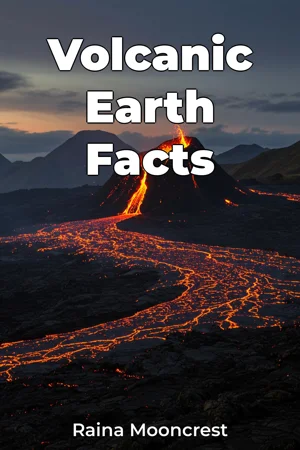
Have you ever wondered about the immense power that shapes our planet from deep within? "Volcanic Earth Facts" delves into the heart of volcanic processes, offering a comprehensive understanding of these dramatic geological phenomena. This book explores not only the science behind volcanic eruptions but also their profound impact on Earth’s landscapes, ecosystems, and even human history. At its core, the book focuses on three key areas: the geological dynamics that cause volcanoes to form and erupt, the diverse types of volcanic eruptions and their associated hazards, and the ways in which volcanic activity has shaped and continues to shape the Earth's surface and atmosphere. These topics are crucial because volcanoes represent a primary mechanism through which the Earth releases internal heat and materials, influencing everything from plate tectonics to climate patterns. Understanding volcanoes requires a grasp of geological history and the principles of plate tectonics. Therefore, "Volcanic Earth Facts" provides essential background on these topics, ensuring the reader has sufficient context to appreciate the complexities of volcanism. The book argues that a thorough understanding of volcanic processes is critical for hazard assessment, resource management, and predicting future environmental changes. Volcanic eruptions are not isolated events; they are integral components of the Earth system. The book unfolds in a logical sequence. First, it introduces the fundamental concepts of magma generation, plate tectonics, and the different types of volcanoes. It then examines specific eruptions throughout history, drawing lessons and illustrating key principles with detailed case studies. Major points include the examination of composite volcanoes, shield volcanoes, and flood basalts. The culmination of the argument comes with a discussion of how volcanic activity influences global climate and contributes to both environmental hazards and the formation of valuable mineral resources. Finally, the book addresses practical applications such as geothermal energy production and strategies for mitigating volcanic risks. The evidence presented in "Volcanic Earth Facts" comes from a variety of sources, including geological surveys, geochemical analyses of volcanic rocks, satellite imagery, and documented accounts of past eruptions. The book meticulously integrates data from geological field studies with findings from laboratory analyses to provide a robust and evidence-based account of volcanic processes. This book connects strongly to other fields such as atmospheric science, environmental science, and even engineering. The release of volcanic gases influences atmospheric composition and climate, while understanding volcanic hazards is essential for land-use planning and infrastructure development. Furthermore, the study of extreme environments created by volcanic activity informs our understanding of astrobiology and the potential for life on other planets. "Volcanic Earth Facts" distinguishes itself through its integrated approach, combining detailed geological data with historical accounts and modern monitoring techniques. It emphasizes the interconnectedness of volcanic processes with other Earth systems, offering a more holistic perspective than traditional texts on the subject. The writing style is accessible and informative, aiming to convey complex scientific concepts in a clear and engaging manner. The target audience includes students of earth science, geography, and environmental science, as well as anyone interested in learning more about the forces that shape our planet. This book is valuable to them because it provides a comprehensive and up-to-date overview of volcanic science, equipping them with the knowledge to understand and interpret volcanic phenomena. As a book in the Earth Sciences and Geography genres, "Volcanic Earth Facts" adheres to the conventions of rigorous scientific accuracy and clear presentation of data. It also embraces the interdisciplinary nature of modern Earth science, drawing connections between geology, geochemistry, geophysics, and other related fields. The scope of the book encompasses volcanic processes globally, while focusing primarily on terrestrial volcanism. It does not extend to detailed discussions of extraterrestrial volcanism, although connections are made where relevant to illustrate broader principles. The information in "Volcanic Earth Facts" can be applied in various real-world contexts, including hazard assessment, geothermal energy development, and understanding the impacts of volcanic eruptions on climate and ecosystems. "Volcanic Earth Facts" addresses some of the ongoing debates surrounding volcanic hazards and eruption forecasting, acknowledging the uncertainties involved in predicting these complex events. It explores different perspectives on the effectiveness of various mitigation strategies.
Have you ever wondered about the immense power that shapes our planet from deep within? "Volcanic Earth Facts" delves into the heart of volcanic processes, offering a comprehensive understanding of these dramatic geological phenomena. This book explores not only the science behind volcanic eruptions but also their profound impact on Earth’s landscapes, ecosystems, and even human history. At its core, the book focuses on three key areas: the geological dynamics that cause volcanoes to form and erupt, the diverse types of volcanic eruptions and their associated hazards, and the ways in which volcanic activity has shaped and continues to shape the Earth's surface and atmosphere. These topics are crucial because volcanoes represent a primary mechanism through which the Earth releases internal heat and materials, influencing everything from plate tectonics to climate patterns. Understanding volcanoes requires a grasp of geological history and the principles of plate tectonics. Therefore, "Volcanic Earth Facts" provides essential background on these topics, ensuring the reader has sufficient context to appreciate the complexities of volcanism. The book argues that a thorough understanding of volcanic processes is critical for hazard assessment, resource management, and predicting future environmental changes. Volcanic eruptions are not isolated events; they are integral components of the Earth system. The book unfolds in a logical sequence. First, it introduces the fundamental concepts of magma generation, plate tectonics, and the different types of volcanoes. It then examines specific eruptions throughout history, drawing lessons and illustrating key principles with detailed case studies. Major points include the examination of composite volcanoes, shield volcanoes, and flood basalts. The culmination of the argument comes with a discussion of how volcanic activity influences global climate and contributes to both environmental hazards and the formation of valuable mineral resources. Finally, the book addresses practical applications such as geothermal energy production and strategies for mitigating volcanic risks. The evidence presented in "Volcanic Earth Facts" comes from a variety of sources, including geological surveys, geochemical analyses of volcanic rocks, satellite imagery, and documented accounts of past eruptions. The book meticulously integrates data from geological field studies with findings from laboratory analyses to provide a robust and evidence-based account of volcanic processes. This book connects strongly to other fields such as atmospheric science, environmental science, and even engineering. The release of volcanic gases influences atmospheric composition and climate, while understanding volcanic hazards is essential for land-use planning and infrastructure development. Furthermore, the study of extreme environments created by volcanic activity informs our understanding of astrobiology and the potential for life on other planets. "Volcanic Earth Facts" distinguishes itself through its integrated approach, combining detailed geological data with historical accounts and modern monitoring techniques. It emphasizes the interconnectedness of volcanic processes with other Earth systems, offering a more holistic perspective than traditional texts on the subject. The writing style is accessible and informative, aiming to convey complex scientific concepts in a clear and engaging manner. The target audience includes students of earth science, geography, and environmental science, as well as anyone interested in learning more about the forces that shape our planet. This book is valuable to them because it provides a comprehensive and up-to-date overview of volcanic science, equipping them with the knowledge to understand and interpret volcanic phenomena. As a book in the Earth Sciences and Geography genres, "Volcanic Earth Facts" adheres to the conventions of rigorous scientific accuracy and clear presentation of data. It also embraces the interdisciplinary nature of modern Earth science, drawing connections between geology, geochemistry, geophysics, and other related fields. The scope of the book encompasses volcanic processes globally, while focusing primarily on terrestrial volcanism. It does not extend to detailed discussions of extraterrestrial volcanism, although connections are made where relevant to illustrate broader principles. The information in "Volcanic Earth Facts" can be applied in various real-world contexts, including hazard assessment, geothermal energy development, and understanding the impacts of volcanic eruptions on climate and ecosystems. "Volcanic Earth Facts" addresses some of the ongoing debates surrounding volcanic hazards and eruption forecasting, acknowledging the uncertainties involved in predicting these complex events. It explores different perspectives on the effectiveness of various mitigation strategies.
"Volcanic Earth Facts" explores the powerful geological forces behind volcanoes, revealing their profound influence on our planet's landscapes and climate patterns. The book examines the geological dynamics that lead to volcanic formation and eruptions, shedding light on how these events shape the Earth's surface. Did you know that volcanic eruptions, while hazardous, are a primary way the Earth releases internal heat? Or that volcanoes play a crucial role in plate tectonics and the creation of valuable mineral resources? The book progresses logically by first introducing fundamental concepts like magma generation and different types of volcanoes. Then, it dives into historical eruptions and detailed case studies, such as composite volcanoes, shield volcanoes, and flood basalts, to illustrate key principles. This approach provides a comprehensive understanding of volcanic activity, highlighting its impact on global climate and environmental hazards. The integrated approach combines geological data, historical accounts, and modern monitoring techniques. This makes "Volcanic Earth Facts" a valuable resource for anyone interested in understanding the science behind these dramatic geological phenomena.
Book Details
ISBN
9788233999797
Publisher
Publifye AS
Your Licenses
You don't own any licenses for this book
Purchase a license below to unlock this book and download the EPUB.
Purchase License
Select a tier to unlock this book
Need bulk licensing?
Contact us for enterprise agreements.