
About This Book
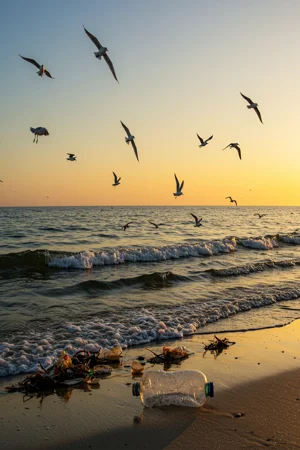
What if the very material designed for convenience and longevity becomes a primary threat to the planet's health and future? This book, "Plastic Waste Crisis," undertakes a comprehensive examination of global plastic pollution, drawing upon extensive environmental research and waste management data to illuminate the multifaceted challenges posed by our reliance on plastics. The book focuses primarily on three critical areas: the sources and pathways of plastic waste, the environmental and ecological impacts of plastic pollution, and the efficacy of current and proposed waste management strategies. These topics are significant because they represent a holistic view of the plastic crisis, from its origins in production and consumption to its devastating consequences for ecosystems and human health, and finally, to potential solutions and mitigation efforts. To understand the magnitude of the crisis, the book establishes a foundational understanding of the historical surge in plastic production since the mid-20th century, coinciding with shifts in consumer culture and manufacturing processes. It also outlines fundamental concepts in environmental science, such as the persistence of plastics in different environments, the mechanisms of plastic degradation, and the bioaccumulation of plastic-associated toxins in food webs. The central argument of "Plastic Waste Crisis" asserts that without drastic and coordinated global action, the escalating accumulation of plastic waste will lead to irreversible environmental damage, threatening biodiversity, ecosystem services, and ultimately, human well-being. This argument is vital because it underscores the urgency of the problem and the necessity for both individual and systemic changes. The book's structure begins with an introduction to the types, sources, and quantities of plastic waste generated globally. It then develops the argument through several key sections. First, it examines the impacts on marine environments, including the proliferation of microplastics and their effects on marine life. Second, it assesses the risks to terrestrial ecosystems, focusing on soil contamination and the effects on plant and animal health. Third, the effectiveness of current waste management practices, such as recycling, incineration, and landfilling, is critically evaluated, with a focus on their limitations and unintended consequences. The culmination of the argument involves an exploration of innovative solutions, including biodegradable plastics, advanced recycling technologies, and policy interventions aimed at reducing plastic consumption and promoting circular economy principles. Practical implications are discussed in terms of changes in personal behavior, corporate responsibility, and governmental regulations. Evidence presented includes scientific studies on plastic degradation rates, data from global waste audits, analyses of microplastic concentrations in various ecosystems, and case studies of successful and unsuccessful waste management initiatives. Unique data sources from governmental and non-governmental organizations involved in waste monitoring and environmental research are utilized. Interdisciplinary connections are made to fields such as marine biology, toxicology, public health, and economics, providing a more complete understanding of the plastic waste crisis. The connection to marine biology highlights the direct impacts on marine life; toxicology elucidates the harmful effects of plastic additives and degradation products; public health examines the potential risks to human populations through contaminated food and water; and economics analyzes the costs and benefits of different waste management strategies. "Plastic Waste Crisis" offers a data-driven, analytical perspective, avoiding sensationalism while maintaining a sense of urgency and concern. It aims to inform and empower readers to understand the complexities of the plastic waste crisis and to advocate for meaningful change. The intended readership includes students, researchers, policymakers, environmental advocates, and concerned citizens seeking a comprehensive and evidence-based understanding of the plastic waste crisis. This book is valuable to them because it provides a balanced assessment of the problem, its consequences, and potential solutions, equipping them with the knowledge to make informed decisions and contribute to effective strategies for mitigating plastic pollution. Adhering to the conventions of earth sciences geography and environmental non-fiction, the book presents rigorous scientific evidence, data-driven analysis, and clear explanations of complex environmental processes. The scope of the book focuses on the global aspects of plastic pollution while acknowledging regional variations in waste generation and management practices. It is limited in its coverage of specific technological details of recycling processes, focusing instead on the broader environmental and economic implications. The information provided can be applied to various real-world scenarios, such as developing more effective recycling programs, advocating for policies that reduce plastic consumption, and supporting the development of sustainable alternatives to conventional plastics. Ongoing debates in the field, such as the effectiveness of different recycling technologies and the role of biodegradable plastics, are addressed in a balanced and nuanced manner, presenting different perspectives and evaluating the available evidence.
What if the very material designed for convenience and longevity becomes a primary threat to the planet's health and future? This book, "Plastic Waste Crisis," undertakes a comprehensive examination of global plastic pollution, drawing upon extensive environmental research and waste management data to illuminate the multifaceted challenges posed by our reliance on plastics. The book focuses primarily on three critical areas: the sources and pathways of plastic waste, the environmental and ecological impacts of plastic pollution, and the efficacy of current and proposed waste management strategies. These topics are significant because they represent a holistic view of the plastic crisis, from its origins in production and consumption to its devastating consequences for ecosystems and human health, and finally, to potential solutions and mitigation efforts. To understand the magnitude of the crisis, the book establishes a foundational understanding of the historical surge in plastic production since the mid-20th century, coinciding with shifts in consumer culture and manufacturing processes. It also outlines fundamental concepts in environmental science, such as the persistence of plastics in different environments, the mechanisms of plastic degradation, and the bioaccumulation of plastic-associated toxins in food webs. The central argument of "Plastic Waste Crisis" asserts that without drastic and coordinated global action, the escalating accumulation of plastic waste will lead to irreversible environmental damage, threatening biodiversity, ecosystem services, and ultimately, human well-being. This argument is vital because it underscores the urgency of the problem and the necessity for both individual and systemic changes. The book's structure begins with an introduction to the types, sources, and quantities of plastic waste generated globally. It then develops the argument through several key sections. First, it examines the impacts on marine environments, including the proliferation of microplastics and their effects on marine life. Second, it assesses the risks to terrestrial ecosystems, focusing on soil contamination and the effects on plant and animal health. Third, the effectiveness of current waste management practices, such as recycling, incineration, and landfilling, is critically evaluated, with a focus on their limitations and unintended consequences. The culmination of the argument involves an exploration of innovative solutions, including biodegradable plastics, advanced recycling technologies, and policy interventions aimed at reducing plastic consumption and promoting circular economy principles. Practical implications are discussed in terms of changes in personal behavior, corporate responsibility, and governmental regulations. Evidence presented includes scientific studies on plastic degradation rates, data from global waste audits, analyses of microplastic concentrations in various ecosystems, and case studies of successful and unsuccessful waste management initiatives. Unique data sources from governmental and non-governmental organizations involved in waste monitoring and environmental research are utilized. Interdisciplinary connections are made to fields such as marine biology, toxicology, public health, and economics, providing a more complete understanding of the plastic waste crisis. The connection to marine biology highlights the direct impacts on marine life; toxicology elucidates the harmful effects of plastic additives and degradation products; public health examines the potential risks to human populations through contaminated food and water; and economics analyzes the costs and benefits of different waste management strategies. "Plastic Waste Crisis" offers a data-driven, analytical perspective, avoiding sensationalism while maintaining a sense of urgency and concern. It aims to inform and empower readers to understand the complexities of the plastic waste crisis and to advocate for meaningful change. The intended readership includes students, researchers, policymakers, environmental advocates, and concerned citizens seeking a comprehensive and evidence-based understanding of the plastic waste crisis. This book is valuable to them because it provides a balanced assessment of the problem, its consequences, and potential solutions, equipping them with the knowledge to make informed decisions and contribute to effective strategies for mitigating plastic pollution. Adhering to the conventions of earth sciences geography and environmental non-fiction, the book presents rigorous scientific evidence, data-driven analysis, and clear explanations of complex environmental processes. The scope of the book focuses on the global aspects of plastic pollution while acknowledging regional variations in waste generation and management practices. It is limited in its coverage of specific technological details of recycling processes, focusing instead on the broader environmental and economic implications. The information provided can be applied to various real-world scenarios, such as developing more effective recycling programs, advocating for policies that reduce plastic consumption, and supporting the development of sustainable alternatives to conventional plastics. Ongoing debates in the field, such as the effectiveness of different recycling technologies and the role of biodegradable plastics, are addressed in a balanced and nuanced manner, presenting different perspectives and evaluating the available evidence.
"Plastic Waste Crisis" offers a comprehensive look at the escalating global issue of plastic pollution, examining its origins, impacts, and potential solutions. The book highlights how the surge in plastic production since the mid-20th century, coupled with consumer culture shifts, has created a crisis threatening biodiversity and human well-being. It explores the alarming persistence of plastics in various environments, detailing how they degrade into microplastics and introduce toxins into food webs. The book progresses from an introduction to plastic waste sources to an in-depth analysis of its impacts on marine and terrestrial ecosystems. It critically evaluates waste management practices like recycling and landfilling, revealing their limitations. Did you know that the accumulation of plastics leads to irreversible environmental damage? Or that plastics are having devastating impacts on marine life? The book advocates for innovative solutions such as biodegradable plastics and a circular economy, emphasizing the need for changes in personal behavior, corporate responsibility, and governmental regulations. Ultimately, "Plastic Waste Crisis" provides a data-driven perspective on the plastic pollution problem, encouraging readers to understand the complexities of the issue and advocate for meaningful change through environmental research. By connecting insights from marine biology, toxicology, public health, and economics, the book equips students, researchers, policymakers, and concerned citizens with the knowledge to make informed decisions and contribute to effective strategies for mitigating plastic pollution.
Book Details
ISBN
9788233999377
Publisher
Publifye AS
Your Licenses
You don't own any licenses for this book
Purchase a license below to unlock this book and download the EPUB.
Purchase License
Select a tier to unlock this book
Need bulk licensing?
Contact us for enterprise agreements.