
About This Book
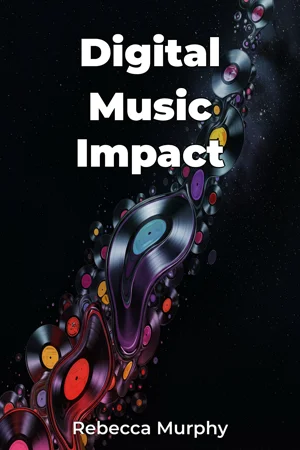
How did the digital revolution fundamentally reshape the music industry, altering not only how music is produced and distributed but also how it is consumed and valued? "Digital Music Impact" explores this transformation through a rigorous analysis of industry statistics and market research, providing a comprehensive understanding of the digital era's profound effects on music consumption. This book delves into three key areas: the evolution of music consumption models from physical sales to streaming services, the economic impact of digital platforms on artists and record labels, and the changing role of technology in shaping musical tastes and trends. These topics are vital because they illuminate the complexities of a rapidly evolving industry grappling with technological disruption, shifting consumer behavior, and persistent questions of fair compensation and artistic sustainability. The context for this analysis begins in the late 20th century, moving from the dominance of physical formats like vinyl and CDs to the rise of digital downloads and, ultimately, the streaming era. Understanding basic economic principles, such as supply and demand, as well as familiarity with the historical structure of the music industry is helpful for grasping the nuances presented. The central argument of "Digital Music Impact" is that digital platforms have democratized access to music while simultaneously creating new challenges for established industry players and artists seeking to maintain their livelihoods. This argument is critical because it forces a re-evaluation of traditional business models and calls for innovative solutions to ensure a sustainable future for the music industry. The book is structured as follows: Part one introduces the historical shift from physical to digital music, analyzing the impact of file-sharing services like Napster and the subsequent rise of legal download platforms like iTunes. Part two examines the streaming revolution, focusing on the business models of Spotify, Apple Music, and other major streaming services, and their influence on artist revenue and music discovery. Part three investigates the role of social media, algorithms, and data analytics in shaping musical tastes and trends, as well as the emergence of new genres and independent artists empowered by digital tools. The culmination of the argument lies in a discussion of policy implications and potential strategies for fostering a more equitable and sustainable digital music ecosystem. The evidence presented throughout the book draws upon a variety of sources, including industry reports from organizations like the Recording Industry Association of America (RIAA) and the International Federation of the Phonographic Industry (IFPI), academic studies on music consumption behavior, and market research data from companies like Nielsen Music and Statista. The book also incorporates case studies of specific artists, record labels, and digital platforms to illustrate key trends and challenges. "Digital Music Impact" connects to several other fields, including economics, sociology, and communication studies. From an economic perspective, it explores the impact of digitalization on market structures and revenue streams. Sociologically, it examines how technology shapes cultural tastes and social interactions around music. In terms of communication studies, it analyzes how digital platforms mediate the relationship between artists and audiences. This book offers a unique perspective by combining a rigorous analysis of industry data with a nuanced understanding of the cultural and social forces shaping the digital music landscape. It avoids simplistic narratives and instead seeks to provide a balanced and comprehensive assessment of the opportunities and challenges facing the music industry in the digital age. The tone is academic yet accessible, aiming to engage both scholars and industry professionals. While maintaining a professional stance, the writing style is clear and engaging, making complex data and concepts understandable to a broad audience. The target audience includes academics and students in music business programs, industry professionals working in record labels, streaming services, and music technology companies, as well as policymakers and anyone interested in the future of the music industry. This book provides valuable insights for anyone seeking to understand the profound impact of digital platforms on music consumption. As a work of non-fiction within the 'Music' and 'Business' genres, "Digital Music Impact" adheres to standards of accuracy, objectivity, and evidence-based analysis. It presents a critical and balanced perspective, avoiding sensationalism or biased interpretations. The book's scope is limited to the analysis of the digital transformation of music consumption, primarily focusing on the Western music industry. It does not delve into the technical aspects of music production or the broader cultural implications of music beyond consumption patterns. The information presented has real-world applications for artists seeking to navigate the digital landscape, record labels adapting to new business models, streaming services aiming to optimize their algorithms and user experience, and policymakers developing regulations to protect artists' rights and promote a sustainable music ecosystem. Finally, the book addresses ongoing debates surrounding issues such as artist compensation in the streaming era, the impact of algorithms on music discovery, and the role of copyright law in protecting intellectual property in the digital age. In addressing these issues, "Digital Music Impact" contributes to a much-needed critical conversation about the future of music in an increasingly digital world.
How did the digital revolution fundamentally reshape the music industry, altering not only how music is produced and distributed but also how it is consumed and valued? "Digital Music Impact" explores this transformation through a rigorous analysis of industry statistics and market research, providing a comprehensive understanding of the digital era's profound effects on music consumption. This book delves into three key areas: the evolution of music consumption models from physical sales to streaming services, the economic impact of digital platforms on artists and record labels, and the changing role of technology in shaping musical tastes and trends. These topics are vital because they illuminate the complexities of a rapidly evolving industry grappling with technological disruption, shifting consumer behavior, and persistent questions of fair compensation and artistic sustainability. The context for this analysis begins in the late 20th century, moving from the dominance of physical formats like vinyl and CDs to the rise of digital downloads and, ultimately, the streaming era. Understanding basic economic principles, such as supply and demand, as well as familiarity with the historical structure of the music industry is helpful for grasping the nuances presented. The central argument of "Digital Music Impact" is that digital platforms have democratized access to music while simultaneously creating new challenges for established industry players and artists seeking to maintain their livelihoods. This argument is critical because it forces a re-evaluation of traditional business models and calls for innovative solutions to ensure a sustainable future for the music industry. The book is structured as follows: Part one introduces the historical shift from physical to digital music, analyzing the impact of file-sharing services like Napster and the subsequent rise of legal download platforms like iTunes. Part two examines the streaming revolution, focusing on the business models of Spotify, Apple Music, and other major streaming services, and their influence on artist revenue and music discovery. Part three investigates the role of social media, algorithms, and data analytics in shaping musical tastes and trends, as well as the emergence of new genres and independent artists empowered by digital tools. The culmination of the argument lies in a discussion of policy implications and potential strategies for fostering a more equitable and sustainable digital music ecosystem. The evidence presented throughout the book draws upon a variety of sources, including industry reports from organizations like the Recording Industry Association of America (RIAA) and the International Federation of the Phonographic Industry (IFPI), academic studies on music consumption behavior, and market research data from companies like Nielsen Music and Statista. The book also incorporates case studies of specific artists, record labels, and digital platforms to illustrate key trends and challenges. "Digital Music Impact" connects to several other fields, including economics, sociology, and communication studies. From an economic perspective, it explores the impact of digitalization on market structures and revenue streams. Sociologically, it examines how technology shapes cultural tastes and social interactions around music. In terms of communication studies, it analyzes how digital platforms mediate the relationship between artists and audiences. This book offers a unique perspective by combining a rigorous analysis of industry data with a nuanced understanding of the cultural and social forces shaping the digital music landscape. It avoids simplistic narratives and instead seeks to provide a balanced and comprehensive assessment of the opportunities and challenges facing the music industry in the digital age. The tone is academic yet accessible, aiming to engage both scholars and industry professionals. While maintaining a professional stance, the writing style is clear and engaging, making complex data and concepts understandable to a broad audience. The target audience includes academics and students in music business programs, industry professionals working in record labels, streaming services, and music technology companies, as well as policymakers and anyone interested in the future of the music industry. This book provides valuable insights for anyone seeking to understand the profound impact of digital platforms on music consumption. As a work of non-fiction within the 'Music' and 'Business' genres, "Digital Music Impact" adheres to standards of accuracy, objectivity, and evidence-based analysis. It presents a critical and balanced perspective, avoiding sensationalism or biased interpretations. The book's scope is limited to the analysis of the digital transformation of music consumption, primarily focusing on the Western music industry. It does not delve into the technical aspects of music production or the broader cultural implications of music beyond consumption patterns. The information presented has real-world applications for artists seeking to navigate the digital landscape, record labels adapting to new business models, streaming services aiming to optimize their algorithms and user experience, and policymakers developing regulations to protect artists' rights and promote a sustainable music ecosystem. Finally, the book addresses ongoing debates surrounding issues such as artist compensation in the streaming era, the impact of algorithms on music discovery, and the role of copyright law in protecting intellectual property in the digital age. In addressing these issues, "Digital Music Impact" contributes to a much-needed critical conversation about the future of music in an increasingly digital world.
"Digital Music Impact" examines how the digital revolution has reshaped the music industry, from production and distribution to consumption and valuation. It explores the shift from physical sales to streaming, the economic effects on artists and labels, and technology's influence on musical tastes. The book argues that digital platforms have democratized music access while challenging traditional business models. The book starts by analyzing the transition from physical formats to digital downloads, highlighting the impact of services like Napster and iTunes. It then examines the streaming revolution, focusing on platforms like Spotify and Apple Music and their effect on artist revenue. Finally, it investigates how social media and data analytics are shaping music trends. Drawing upon industry reports, academic studies, and market research, "Digital Music Impact" offers a balanced assessment of the opportunities and challenges in the digital music landscape. It connects economics, sociology, and communication studies to offer unique insights for anyone seeking to understand the profound effects of digital platforms on music consumption, and the future of the music industry.
Book Details
ISBN
9788233999117
Publisher
Publifye AS
Your Licenses
You don't own any licenses for this book
Purchase a license below to unlock this book and download the EPUB.
Purchase License
Select a tier to unlock this book
Need bulk licensing?
Contact us for enterprise agreements.