
About This Book
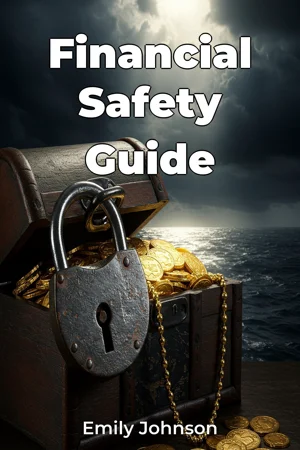
Are you confident that your financial life is secure from the ever-increasing threats of fraud, scams, and unforeseen financial pitfalls? This book, "Financial Safety Guide," serves as a practical roadmap to safeguarding your hard-earned money and achieving lasting financial security in an increasingly complex world. We delve into securing your financial future by focusing on three core areas: understanding common fraud schemes and how to recognize them, assessing your personal financial vulnerabilities to mitigate potential risks, and implementing actionable strategies to protect your assets from financial threats. These topics are crucial because, in today's interconnected digital age, everyone is a potential target for financial exploitation, and proactive knowledge is your strongest defense. The rise of internet scams, identity theft, and sophisticated phishing techniques necessitates a new approach to personal finance management. Traditional methods are no longer sufficient against the ingenuity of modern fraudsters. This book cuts through the noise and provides a clear, concise, and comprehensive guide to navigating the challenges of the modern financial landscape. Our central argument is that financial security is not simply a matter of luck or chance, but rather the result of informed decision-making and consistent implementation of protective measures. By understanding the common tactics used by fraudsters, assessing your own vulnerabilities, and adopting proactive defense strategies, you can significantly reduce the risks to your financial well-being. The "Financial Safety Guide" begins by introducing core concepts related to financial fraud, including different types of scams, the psychology of fraud victims, and the legal frameworks for prosecuting financial crimes. We then explore how to assess your personal financial vulnerabilities, such as weak passwords, unsecure online accounts, or inadequate insurance coverage. The bulk of the book is dedicated to detailed, actionable strategies for protecting your assets. This section explores practical steps like setting up fraud alerts, diversifying investments, securing banking information, and creating a robust cybersecurity strategy. The book culminates in a plan to create a resilient financial life, empowering you to handle any future financial hardship or fraud attempt. The information presented is based on extensive research from government agencies like the Federal Trade Commission (FTC) and the Consumer Financial Protection Bureau (CFPB), academic studies on fraud and behavioral economics, and real-world case studies of successful and unsuccessful fraud attempts. We also draw on data from cybersecurity firms to provide up-to-date insights into the latest online threats. The "Financial Safety Guide" connects to several other fields, including psychology (understanding why people fall for scams), law (knowing your rights and legal recourse), and technology (using digital tools to protect your information). Highlighting the use of psychology enables the reader to understand the patterns of thought within fraud victims. Understanding law helps readers know their rights when dealing with financial fraud. Highlighting digital tools makes the reader more comfortable implementing necessary security measures. What sets this book apart is its focus on practical, actionable advice. We avoid jargon and technical complexities, instead preferring clear, concise language that anyone can understand and implement. Our approach is not about scaring you with worst-case scenarios, but rather empowering you with the knowledge and tools you need to take control of your financial security. The writing style is conversational and approachable, designed to make complex financial topics understandable and engaging. We use real-life examples and case studies to illustrate key concepts and make the information relatable. This book is for anyone who wants to protect their financial well-being, including young adults just starting out, families saving for the future, and retirees managing their nest eggs. It is particularly valuable for those who are new to online banking, investing, or other digital financial tools. As a finance and self-help guide, we strive to provide evidence-based information and actionable advice in a format that is both informative and easy to implement. You'll gain insights into how to improve your financial health and security. While we cover a wide range of financial risks, the book primarily focuses on protecting personal finances. We do not delve into complex business or corporate financial matters, nor do we offer specific investment or tax advice. The information in this book can be applied immediately to improve your financial security. From setting up strong passwords to monitoring your credit report, the actionable strategies outlined here can help you take control of your financial future. While there is broad agreement on the importance of financial security, there are ongoing debates about the best approaches to fraud prevention and risk management. We aim to provide a balanced perspective on these issues, presenting different viewpoints and allowing you to make informed decisions based on your own circumstances.
Are you confident that your financial life is secure from the ever-increasing threats of fraud, scams, and unforeseen financial pitfalls? This book, "Financial Safety Guide," serves as a practical roadmap to safeguarding your hard-earned money and achieving lasting financial security in an increasingly complex world. We delve into securing your financial future by focusing on three core areas: understanding common fraud schemes and how to recognize them, assessing your personal financial vulnerabilities to mitigate potential risks, and implementing actionable strategies to protect your assets from financial threats. These topics are crucial because, in today's interconnected digital age, everyone is a potential target for financial exploitation, and proactive knowledge is your strongest defense. The rise of internet scams, identity theft, and sophisticated phishing techniques necessitates a new approach to personal finance management. Traditional methods are no longer sufficient against the ingenuity of modern fraudsters. This book cuts through the noise and provides a clear, concise, and comprehensive guide to navigating the challenges of the modern financial landscape. Our central argument is that financial security is not simply a matter of luck or chance, but rather the result of informed decision-making and consistent implementation of protective measures. By understanding the common tactics used by fraudsters, assessing your own vulnerabilities, and adopting proactive defense strategies, you can significantly reduce the risks to your financial well-being. The "Financial Safety Guide" begins by introducing core concepts related to financial fraud, including different types of scams, the psychology of fraud victims, and the legal frameworks for prosecuting financial crimes. We then explore how to assess your personal financial vulnerabilities, such as weak passwords, unsecure online accounts, or inadequate insurance coverage. The bulk of the book is dedicated to detailed, actionable strategies for protecting your assets. This section explores practical steps like setting up fraud alerts, diversifying investments, securing banking information, and creating a robust cybersecurity strategy. The book culminates in a plan to create a resilient financial life, empowering you to handle any future financial hardship or fraud attempt. The information presented is based on extensive research from government agencies like the Federal Trade Commission (FTC) and the Consumer Financial Protection Bureau (CFPB), academic studies on fraud and behavioral economics, and real-world case studies of successful and unsuccessful fraud attempts. We also draw on data from cybersecurity firms to provide up-to-date insights into the latest online threats. The "Financial Safety Guide" connects to several other fields, including psychology (understanding why people fall for scams), law (knowing your rights and legal recourse), and technology (using digital tools to protect your information). Highlighting the use of psychology enables the reader to understand the patterns of thought within fraud victims. Understanding law helps readers know their rights when dealing with financial fraud. Highlighting digital tools makes the reader more comfortable implementing necessary security measures. What sets this book apart is its focus on practical, actionable advice. We avoid jargon and technical complexities, instead preferring clear, concise language that anyone can understand and implement. Our approach is not about scaring you with worst-case scenarios, but rather empowering you with the knowledge and tools you need to take control of your financial security. The writing style is conversational and approachable, designed to make complex financial topics understandable and engaging. We use real-life examples and case studies to illustrate key concepts and make the information relatable. This book is for anyone who wants to protect their financial well-being, including young adults just starting out, families saving for the future, and retirees managing their nest eggs. It is particularly valuable for those who are new to online banking, investing, or other digital financial tools. As a finance and self-help guide, we strive to provide evidence-based information and actionable advice in a format that is both informative and easy to implement. You'll gain insights into how to improve your financial health and security. While we cover a wide range of financial risks, the book primarily focuses on protecting personal finances. We do not delve into complex business or corporate financial matters, nor do we offer specific investment or tax advice. The information in this book can be applied immediately to improve your financial security. From setting up strong passwords to monitoring your credit report, the actionable strategies outlined here can help you take control of your financial future. While there is broad agreement on the importance of financial security, there are ongoing debates about the best approaches to fraud prevention and risk management. We aim to provide a balanced perspective on these issues, presenting different viewpoints and allowing you to make informed decisions based on your own circumstances.
"Financial Safety Guide" offers essential self-help for navigating today's complex financial landscape, focusing on financial security and fraud prevention. The book empowers readers to protect their assets by understanding common fraud schemes, assessing personal vulnerabilities, and implementing actionable strategies. Did you know that everyone is a potential target for financial exploitation in the digital age? Or that financial security isn't just luck, but a result of informed decisions? This book cuts through the noise to provide a clear, concise guide to personal finance management. The book begins by introducing core fraud concepts, including different scams, the psychology of victims, and relevant legal frameworks. It then explores how to assess personal financial vulnerabilities, such as weak passwords or inadequate insurance. A major portion of the book is dedicated to actionable strategies for asset protection, like setting up fraud alerts, diversifying investments, and securing banking information. This approach ensures readers gain practical knowledge to create a more resilient financial life, making it a valuable resource for anyone seeking scam protection and enhanced cybersecurity.
Book Details
ISBN
9788233999032
Publisher
Publifye AS
Your Licenses
You don't own any licenses for this book
Purchase a license below to unlock this book and download the EPUB.
Purchase License
Select a tier to unlock this book
Need bulk licensing?
Contact us for enterprise agreements.