
About This Book
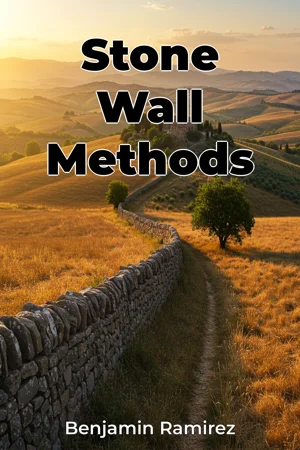
How have methods of stone wall construction shaped our landscapes and defined cultural identities across millennia? "Stone Wall Methods" presents a comprehensive exploration of traditional and contemporary techniques employed in building stone walls around the world. This book addresses the fundamental question of how diverse cultures have utilized a ubiquitous natural resource to create enduring structures, protect their spaces, and express their unique architectural styles. The key topics include an in-depth examination of historical building practices, a comparative analysis of modern construction technologies, and an assessment of the environmental and cultural impacts of stone wall construction. Understanding stone wall methods necessitates a grounding in both historical and geological contexts. This book provides a concise overview of the geological properties of various types of stone commonly used in construction and then delves into the historical evolution of wall-building techniques, from ancient dry-stone walls to sophisticated mortared constructions. It explores construction through different eras and geographical locations. The central argument of "Stone Wall Methods" is that while the basic principles of stone wall construction remain relatively consistent, the specific techniques, materials, and aesthetic choices are deeply influenced by local environmental conditions, cultural values, and technological advancements. This argument is important because it promotes an appreciation for the ingenuity and adaptability of human builders and demonstrates how vernacular architecture often offers sustainable and aesthetically pleasing solutions that are relevant even in the modern era. The book is structured to guide the reader through a logical progression of understanding. It begins with an introduction to the fundamental principles of stone wall construction, covering topics such as stone selection, foundation preparation, and wall alignment. The core of the book is dedicated to detailed case studies of traditional techniques from various regions, including dry-stone walling in Europe, stacked stone walls in Asia, and mortar-based construction in the Americas. These case studies are followed by an examination of modern technologies, such as the use of concrete and steel reinforcement in stone walls, as well as sustainable building practices and the incorporation of recycled materials. The final section synthesizes the findings, discussing the implications of different construction methods for environmental sustainability, cultural preservation, and contemporary architectural design. The analysis presented in this book is supported by a wide range of evidence, including architectural surveys, historical documents, geological reports, and photographic documentation. Primary data is drawn from field visits to numerous sites around the world, while secondary sources include scholarly articles, technical manuals, and government publications. Particular attention is given to documenting the environmental impact of stone extraction, including the ecological footprint and cultural heritage considerations. "Stone Wall Methods" intersects with several other fields of study, including archaeology, environmental science, and materials engineering. The archaeological perspective provides insights into the historical evolution of building techniques and the cultural significance of stone walls in past societies. The environmental science perspective assesses the ecological impacts of stone extraction and the sustainability of different construction practices. Materials engineering informs the analysis of stone properties and the performance of various construction materials. These interdisciplinary connections enhance the book's argument by providing a more holistic understanding of stone wall construction. This book adopts an analytical and informative tone, aiming to provide a balanced and objective assessment of different stone wall methods. The writing style is accessible to a broad audience, avoiding excessive jargon while maintaining the rigor and precision expected of an academic work. The target audience includes architecture students, landscape architects, civil engineers, historians, and anyone interested in building traditions and cultural landscapes. The book would be valuable to practitioners seeking to incorporate sustainable and culturally sensitive building practices into their work, as well as to academics and researchers. This book provides a good overview of the construction details involved and delivers it in easy-to-understand language. The scope of "Stone Wall Methods" is intentionally broad, encompassing a wide range of geographical regions and historical periods. However, the book is limited by its focus on general principles and common techniques, rather than providing extremely detailed instructions for specific construction projects. It also acknowledges the ongoing debates surrounding the aesthetics of blending traditional methods with current technologies. The information in this book has numerous real-world applications. It can serve as a guide for selecting appropriate materials and techniques for new construction projects, as well as for preserving and restoring existing stone walls. It can also inform policy decisions related to sustainable resource management and cultural heritage preservation. "Stone Wall Methods" offers a pathway to comprehending our built environment’s past, present, and future.
How have methods of stone wall construction shaped our landscapes and defined cultural identities across millennia? "Stone Wall Methods" presents a comprehensive exploration of traditional and contemporary techniques employed in building stone walls around the world. This book addresses the fundamental question of how diverse cultures have utilized a ubiquitous natural resource to create enduring structures, protect their spaces, and express their unique architectural styles. The key topics include an in-depth examination of historical building practices, a comparative analysis of modern construction technologies, and an assessment of the environmental and cultural impacts of stone wall construction. Understanding stone wall methods necessitates a grounding in both historical and geological contexts. This book provides a concise overview of the geological properties of various types of stone commonly used in construction and then delves into the historical evolution of wall-building techniques, from ancient dry-stone walls to sophisticated mortared constructions. It explores construction through different eras and geographical locations. The central argument of "Stone Wall Methods" is that while the basic principles of stone wall construction remain relatively consistent, the specific techniques, materials, and aesthetic choices are deeply influenced by local environmental conditions, cultural values, and technological advancements. This argument is important because it promotes an appreciation for the ingenuity and adaptability of human builders and demonstrates how vernacular architecture often offers sustainable and aesthetically pleasing solutions that are relevant even in the modern era. The book is structured to guide the reader through a logical progression of understanding. It begins with an introduction to the fundamental principles of stone wall construction, covering topics such as stone selection, foundation preparation, and wall alignment. The core of the book is dedicated to detailed case studies of traditional techniques from various regions, including dry-stone walling in Europe, stacked stone walls in Asia, and mortar-based construction in the Americas. These case studies are followed by an examination of modern technologies, such as the use of concrete and steel reinforcement in stone walls, as well as sustainable building practices and the incorporation of recycled materials. The final section synthesizes the findings, discussing the implications of different construction methods for environmental sustainability, cultural preservation, and contemporary architectural design. The analysis presented in this book is supported by a wide range of evidence, including architectural surveys, historical documents, geological reports, and photographic documentation. Primary data is drawn from field visits to numerous sites around the world, while secondary sources include scholarly articles, technical manuals, and government publications. Particular attention is given to documenting the environmental impact of stone extraction, including the ecological footprint and cultural heritage considerations. "Stone Wall Methods" intersects with several other fields of study, including archaeology, environmental science, and materials engineering. The archaeological perspective provides insights into the historical evolution of building techniques and the cultural significance of stone walls in past societies. The environmental science perspective assesses the ecological impacts of stone extraction and the sustainability of different construction practices. Materials engineering informs the analysis of stone properties and the performance of various construction materials. These interdisciplinary connections enhance the book's argument by providing a more holistic understanding of stone wall construction. This book adopts an analytical and informative tone, aiming to provide a balanced and objective assessment of different stone wall methods. The writing style is accessible to a broad audience, avoiding excessive jargon while maintaining the rigor and precision expected of an academic work. The target audience includes architecture students, landscape architects, civil engineers, historians, and anyone interested in building traditions and cultural landscapes. The book would be valuable to practitioners seeking to incorporate sustainable and culturally sensitive building practices into their work, as well as to academics and researchers. This book provides a good overview of the construction details involved and delivers it in easy-to-understand language. The scope of "Stone Wall Methods" is intentionally broad, encompassing a wide range of geographical regions and historical periods. However, the book is limited by its focus on general principles and common techniques, rather than providing extremely detailed instructions for specific construction projects. It also acknowledges the ongoing debates surrounding the aesthetics of blending traditional methods with current technologies. The information in this book has numerous real-world applications. It can serve as a guide for selecting appropriate materials and techniques for new construction projects, as well as for preserving and restoring existing stone walls. It can also inform policy decisions related to sustainable resource management and cultural heritage preservation. "Stone Wall Methods" offers a pathway to comprehending our built environment’s past, present, and future.
"Stone Wall Methods" explores how different cultures have utilized stone to create enduring structures, reflecting unique architectural styles and shaping cultural landscapes. The book examines both historical building practices and modern construction technologies, revealing how environmental conditions and cultural values influence specific techniques. Did you know that dry-stone walling, an ancient technique, doesn't use mortar, relying solely on the precise arrangement of stones for stability? Or that vernacular architecture, often exemplified by stone walls, can offer sustainable solutions relevant even today? The book progresses logically, starting with fundamental principles like stone selection and foundation preparation before diving into case studies from various regions—Europe's dry-stone walls, Asia's stacked stone walls, and the Americas' mortar-based constructions. It then considers modern technologies and sustainable building practices. By analyzing architectural surveys, historical documents, and geological reports, "Stone Wall Methods" provides a broad overview of construction details in accessible language, valuable for anyone interested in architecture, history, and cultural preservation.
Book Details
ISBN
9788233998561
Publisher
Publifye AS
Your Licenses
You don't own any licenses for this book
Purchase a license below to unlock this book and download the EPUB.
Purchase License
Select a tier to unlock this book
Need bulk licensing?
Contact us for enterprise agreements.